Best Dried Fruits for Wholesale Buyers in 2026?

Time:2026-11-07 Author:Henry
0%

Wholesale buyers face a crowded dried-fruit market in 2026. The best choice is rarely the sweetest sample or the lowest quote. Buyers must weigh flavor, texture, ingredient lists, pack sizes, and consistency across shipments. A useful starting point is food-system expert Michael Pollan’s familiar advice: “Eat food. Not too much. Mostly plants.” It is not a sourcing rule, but it is a reminder to look beyond attractive packaging and consider what the product actually contains.

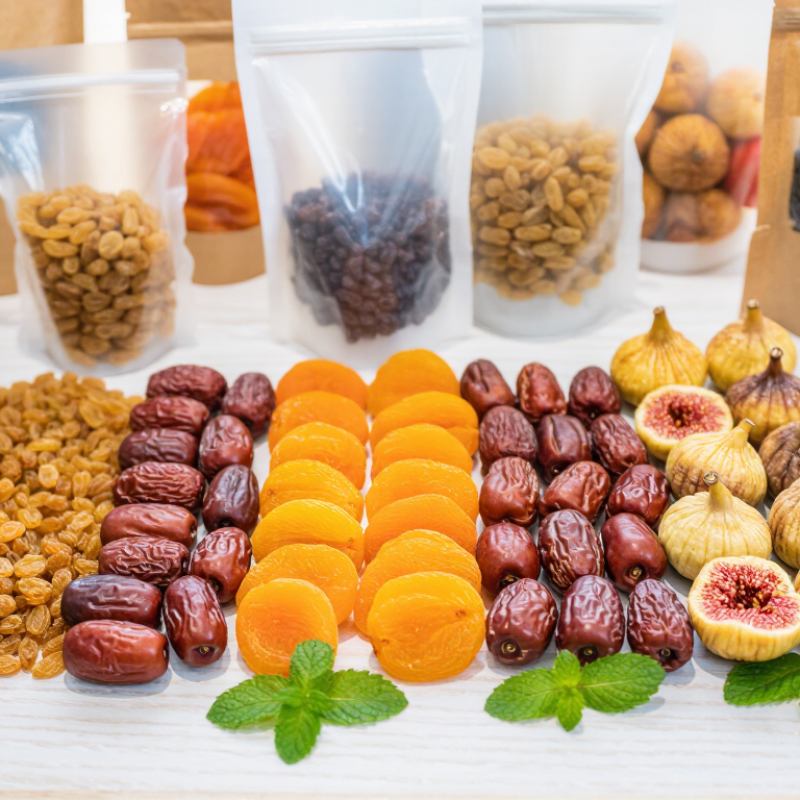
This guide compares Dried Fruits such as raisins, dates, apricots, figs, and dried mango. Each brings different trade-offs. A date may offer softness and natural sweetness; an apricot may need close attention to color, moisture, and bite. Ask suppliers for clear specifications, representative samples, and details about processing and storage. Then compare those details with your customers’ needs, not just a brochure’s promises. Small differences matter.

Look closely at the sample. Check whether pieces feel evenly pliable, whether the aroma is clean, and whether the pack protects against moisture. These observations help, but they do not replace supplier documentation or independent quality checks. And honestly, one sample cannot prove every future lot will match. That deserves thought. The sections ahead offer a practical framework for evaluating products, asking better questions, and choosing wholesale options with fewer surprises. There is no single winner for every buyer; dependable fit matters more than a fashionable fruit or a dramatic discount.
Best Dried Fruits for Wholesale Buyers in 2026?

How Wholesale Buyers Define the Best Dried Fruits in 2026

Wholesale buyers define “best” by more than sweetness or price. In 2026, a strong dried-fruit specification should balance flavor, cut size, color, moisture, shelf stability, and dependable delivery. FAO’s 2019 State of Food and Agriculture estimated that 14% of food was lost between harvest and retail worldwide. That figure is not specific to dried fruit, but it highlights why usable yield and careful handling matter. A carton with many broken pieces can cost more than its invoice suggests.

Nutrition and label details also deserve scrutiny. USDA FoodData Central lists a generic 100-gram serving of raisins at about 299 calories and 3.7 grams of fiber. Actual values vary by fruit and processing, so buyers should check product-specific analyses rather than rely on generic entries. Ask suppliers for recent lot data, including moisture or water activity, defect rates, and microbiological testing. Then compare samples after opening: do pieces stay distinct, or clump in the bag? Small differences matter. No single score works. A lower-cost option may still be the better fit, but only if its quality holds across shipments. Buyers should also review packaging barriers and storage guidance against their own warehouse conditions, not just a supplier’s ideal assumptions.

Which Dried Fruit Categories Serve Different Wholesale Markets?

Wholesale buyers should match dried-fruit formats to how customers use them. Raisins suit bakeries, cereal makers, and foodservice because they mix easily into dough, granola, and snack packs. Dates work well for natural-sweetener applications and premium snack ranges; buyers should specify softness, size, and pit status. Prunes fit breakfast, baking, and foodservice channels, while dried apricots and figs can serve specialty retail and cheese-board assortments. Keep cuts and moisture levels consistent. Small differences matter.

For scale context, FAOSTAT reports global date production of more than 9 million metric tons in 2022. That figure covers dates overall, not only fruit sold dried, so it signals supply scale rather than wholesale availability. Buyers should verify origin, crop year, grade, moisture, and shipment volume with suppliers before planning large orders. The category split is useful, but not perfect: the same fruit can serve different markets when its texture, pack size, or price changes. A trial order can reveal problems that a specification sheet misses, especially clumping in warm storage or pieces that are too firm for a bakery line.

Best Dried Fruits for Wholesale Buyers in 2026

Dietary fiber in representative dried-fruit products, by category

Market fit: Figs suit bakery and snack mixes; dates work well for snacking and natural-sweetener applications; apricots and prunes serve snack, bakery, and foodservice buyers; raisins are common in cereals, baking, and trail mixes.

Fiber values are approximate grams per 100 g, based on representative USDA FoodData Central entries. Values vary by variety, processing, and moisture content; fiber content alone does not determine wholesale suitability.

How to Compare Quality, Processing Methods, and Product Specifications

Best Dried Fruits for Wholesale Buyers in 2026?

Quality begins with the fruit itself, but appearance alone can mislead. Compare color, aroma, texture, and the share of broken pieces across representative samples. A natural color variation may be acceptable; a stale or smoky smell deserves investigation. Ask suppliers for harvest or packing dates, origin details, and batch-specific test documents. Useful details beat polished product photos.

Processing affects flavor, shelf life, and ingredient suitability. Sun-dried fruit may have a softer, less uniform texture, while controlled hot-air drying can produce more consistent pieces. Freeze-dried fruit is crisp and light, but it can absorb moisture quickly after opening. Check the ingredient list for added sugar, oil, or preservatives, including sulfites where relevant. No single method is best for every recipe.

Review specifications before comparing prices. Confirm cut size, moisture range, water activity, packaging format, and expected shelf life. Targets vary by fruit and intended use, so request written tolerances rather than assuming one standard fits all. Ask how samples are taken and whether production lots are checked consistently. Small pieces can hide in a sample. That matters. A slightly uneven batch may still work for baking, but not for retail packs where appearance drives expectations. Buyers sometimes overvalue perfect color; it is an easy mistake to make. Compare a retained sample with delivered goods, and record any differences before approving repeat orders.

How Pricing, Shelf Life, and Supply Reliability Affect Buying Decisions

For wholesale buyers in 2026, the lowest price per kilogram is only a starting point. Compare landed cost, including freight, packaging, inspection, and expected breakage. A lower quote can lose its appeal when fruit arrives unevenly cut or with more stems than expected. Check sample lots against the written grade and moisture specification, not just a polished sample. Small details matter.

Shelf life depends on the fruit, its moisture level, packaging, and storage conditions. Ask for product-specific shelf-life evidence and clear storage instructions. A sealed pack stored in a cool, dry warehouse may perform differently from one exposed to heat during transit. Review lot dates and packaging integrity at receiving. Labels alone are not enough.

Supply reliability deserves equal weight. Ask suppliers how they manage seasonal shortages, production capacity, and lead-time changes. Compare delivery records across several orders, rather than trusting one successful shipment. Keep a modest buffer for high-volume items, but avoid excess stock that may age before sale. Forecasts can still miss. Buyers should track fill rates, specification failures, and actual delivery times, then revisit contracts when the numbers change. A dependable source is not always the cheapest, and no forecast is perfect.

Best Dried Fruits for Wholesale Buyers in 2026? — How Pricing, Shelf Life, and Supply Reliability Affect Buying Decisions

Indicative bulk planning ranges in USD per kg, not live quotations. Actual prices depend on origin, grade, moisture, processing, packaging, order volume, and trade terms. Shelf-life figures are typical unopened-pack ranges; follow the supplier’s product specification and storage instructions.

Dried fruit Indicative bulk price (USD/kg) Typical unopened shelf life Supply reliability considerations Wholesale buying notes
Raisins $2–$4 6–12 months Often broadly available; harvest conditions and crop size can affect pricing and availability. A cost-conscious option for baking, cereals, snack mixes, and food service. Compare size, color, moisture, and whether oil is added.
Dates $2.50–$5 6–12 months Seasonal harvests and export logistics can influence lead times; variety and grade affect substitutability. Useful as a whole-fruit snack or ingredient. Specify variety, pit status, size, softness, and any surface treatment.
Prunes $3–$6 6–12 months Availability is tied to producing-region harvests; crop variation may affect grade mix and contract timing. Confirm pitted or unpitted format, size count, moisture level, and packaging suited to the intended use.
Dried apricots $4–$8 6–12 months More exposed to harvest and grade variation than widely traded staples; color and processing requirements can narrow supply. Ask whether the fruit is treated with sulfur dioxide; specify color, size, moisture, and applicable allergen or additive declarations.
Dried cranberries $4–$8 6–12 months Processed-product supply depends on fruit availability and ingredient inputs; sweetened formulations may vary by supplier. Check added sugar or juice, oil, ingredient statement, cut size, and whether the quoted price is for sweetened or unsweetened product.
Dried mango $5–$10 6–12 months Seasonality, processing capacity, and shipment lead times can affect continuity; specifications may differ by origin. Specify sweetened or unsweetened, slice thickness, texture, moisture, and any preservatives; compare samples against the agreed specification.

For supply planning, request current quotations with matching Incoterms, minimum order quantities, production lead times, lot-level specifications, and remaining shelf life at dispatch. “Supply reliability” is a procurement consideration, not a guarantee; verify supplier capacity and documentation for each order.

How to Select Dried Fruits for a Wholesale Product Portfolio

Best Dried Fruits for Wholesale Buyers in 2026?

How to Select Dried Fruits for a Wholesale Product Portfolio

A wholesale portfolio should solve different customer needs, not simply offer many varieties. Grand View Research estimated the global dried fruits market at USD 10.87 billion in 2024, with a projected 5.5% compound annual growth rate from 2025 to 2030. This is a broad market estimate, not a guarantee that every product will sell. Still, forecasts are blunt. Use them as context, then compare local buyer demand, order frequency, and price sensitivity. Raisins and dates can serve everyday baking and snack lines; apricots, figs, and tart cranberries add more distinct flavors. Cranberries are often sweetened, so check ingredient specifications before comparing them with unsweetened options.

Evaluate each item beyond its purchase price. Request consistent details on moisture, piece size, origin, crop year, packaging, and shelf life. A bag of apricots should look and feel consistent from the first case to the last. Ask suppliers how they manage seasonal variation; a tidy specification sheet cannot remove every crop difference. Small packs matter. USDA MyPlate guidance counts half a cup of dried fruit as one cup-equivalent of fruit, which can help inform pack sizing and customer-facing portion information. Test samples in the actual use case, such as baking or trail mixes, before committing to volume. A product that tastes excellent alone may not hold its texture in a mixed application.

FAQS

What makes dried fruit “best” for wholesale buyers?

The best option balances flavor, cut size, color, moisture, shelf stability, and dependable delivery. A low price alone can mislead. Broken pieces reduce usable yield.

Which dried fruits fit common wholesale uses?

Raisins mix easily into dough, cereal, granola, and snack packs. Dates suit sweetener uses and premium snacks. Prunes, apricots, and figs fit breakfast, baking, and specialty assortments.

What details should buyers specify for dates?

Specify size, softness, moisture, and whether the dates are pitted. Small texture differences can affect a production line. Trial orders help.

How should buyers assess sample quality?

Compare samples with the written grade and moisture requirements. Check for stems, broken pieces, uneven cuts, and clumping after opening. Polished samples can hide problems.

How should wholesale buyers compare prices?

Compare landed cost, including freight, packaging, inspection, and expected breakage. The cheapest kilogram may cost more after sorting. The math can be imperfect.

What affects dried-fruit shelf life?

Fruit type, moisture, packaging, and storage conditions all matter. Ask for product-specific shelf-life evidence and clear storage guidance. Cool, dry storage helps, but conditions vary.

How can buyers judge supply reliability?

Review delivery records across several orders. Ask about seasonal shortages, capacity, and lead-time changes. Track fill rates and specification failures. One good shipment proves little.

How much inventory should buyers keep?

A modest buffer can protect high-volume items from delays. Avoid stock that may age before sale. Forecasts can miss. Review actual delivery times and demand regularly.

Conclusion

In 2026, the best Dried Fruits for wholesale buyers are those that match their target market, meet consistent quality expectations, and offer dependable value. Different categories can serve distinct needs, from everyday retail snacks and baking ingredients to food-service applications and specialty product lines. Buyers should compare flavor, texture, appearance, ingredient lists, processing methods, moisture levels, packaging, and product specifications to ensure each option suits its intended use.

A strong purchasing decision also considers price alongside shelf life, storage requirements, and the supplier’s ability to provide steady quality and reliable deliveries. Rather than choosing products on cost alone, wholesale buyers can build a balanced portfolio by combining popular staples with options suited to specific customer preferences. Clear specifications, practical packaging, and consistent supply help reduce uncertainty and support a product range that remains useful and competitive throughout the year.

Henry

Henry

Henry is a dedicated marketing professional with a profound expertise in the company's offerings. With years of experience in the industry, he possesses an impressive understanding of the market dynamics and consumer behaviors that drive success. Henry is committed to sharing his insights through......