Flour may look like a quiet pantry staple, but it can change a recipe’s texture, structure, and flavor. This guide explores 10 useful Flour Types, from dependable all-purpose flour to bread, cake, whole-wheat, and gluten-free options. Each has a different balance of protein, milling, and absorption. Those differences matter. Bread flour’s higher protein can help create a chewy loaf, while cake flour usually gives tender crumbs. Whole-wheat flour brings a nutty taste, but its bran can make dough feel heavier and thirstier.
Choosing well starts with what you plan to make. A soft sponge cake, a crisp pie crust, and a springy pizza dough do not ask the same thing of flour. Look at the recipe, then consider the texture you want. Small details matter. Measure flour consistently, and add liquid gradually when adapting a recipe, since brands and milling methods can behave differently. It is tempting to swap one flour for another in equal amounts. Sometimes that works; sometimes the result is dry, dense, or unexpectedly delicate. There is no universal winner, and a failed substitution can be a useful clue. The following overview explains where each flour works best, what to expect from it, and when a careful adjustment may help.
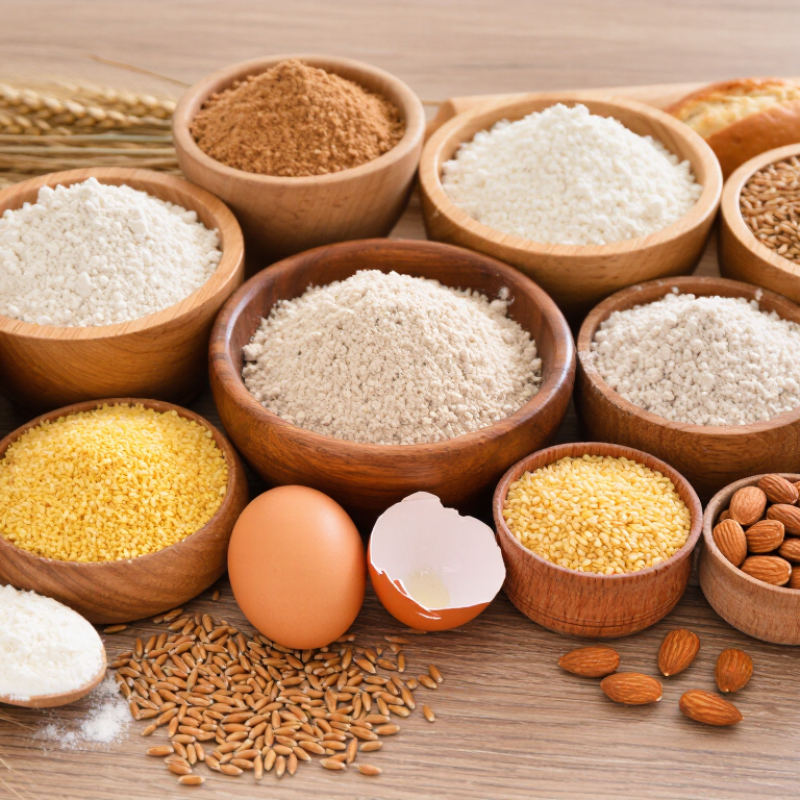
Flour is more than finely ground grain. Milling determines which parts of the kernel remain, how coarse the particles feel, and how readily they absorb water. Refined flour is milled mainly from the starchy endosperm, while whole-grain flour also contains bran and germ. That difference changes flavor, color, and how dough behaves.
Protein is a key part of flour’s composition. When mixed with water, certain proteins form gluten, which gives bread dough stretch and structure. More protein often helps produce a chewier loaf, while lower-protein flour can keep cakes and biscuits tender. Starch also matters: it absorbs water and sets as baked goods heat. Bran particles can interrupt gluten networks, so whole-grain dough may feel rougher and need more water or rest time.
Texture matters. A baker can notice it in a bowl: fine flour sifts easily, while coarse flour feels slightly gritty between the fingers. Milling and storage also affect freshness; whole-grain flour’s natural oils can develop stale flavors sooner than refined flour. Labels offer useful clues, but they do not describe every flour’s absorption or performance. Not always predictable. Even familiar recipes may need small adjustments when the grain, grind, or humidity changes.
Protein content gives a useful starting point, not a complete recipe. USDA FoodData Central lists about 10.3 grams of protein per 100 grams of all-purpose flour, compared with 13.2 grams in whole-wheat flour. More protein can build stronger gluten, helping bread hold its shape. Lower-protein cake flour tends to make a softer, more delicate crumb. Small differences matter.
Absorption complicates the comparison. Whole-wheat flour contains bran, which takes up water and can make dough feel drier, even when its protein level is higher. The Canadian Grain Commission’s wheat quality reports track flour water absorption alongside protein and milling measures, reflecting how several properties shape dough. Add water gradually; a dough that looks stiff after mixing may soften as the flour rests. I still find hydration tricky. Room humidity, grind, and flour age can shift the feel, so a fixed water amount is only a starting point. For a tender biscuit, stop mixing when the flour just comes together; for a chewy loaf, give the dough time to develop. The bowl tells you more than the label alone.
Protein content is an approximate percentage by weight; actual values vary by grain, milling, and product. Higher-protein wheat flours generally form stronger gluten and suit chewy breads, while lower-protein cake and pastry flours tend to produce more tender bakes. Absorption also varies with milling and whole-grain content, so adjust liquid gradually when adapting a recipe.
Choosing flour by its protein level, texture, and added ingredients can change a bake more than expected. All-purpose flour suits cookies, muffins, and sauces; it gives a dependable middle ground. Bread flour has more protein, helping dough trap gas for a chewier loaf. Cake flour is finely milled and low in protein, so it makes tender cakes. Pastry flour falls between cake and all-purpose flour, working well for flaky biscuits and pie crusts. Whole-wheat flour adds a nutty taste and bran, but can make dough feel dense. A partial substitution is often easier to manage.
Self-rising flour contains leavening and salt, making it useful for quick biscuits and simple batters; adjust other ingredients in the recipe. Rye flour brings earthy flavor to breads, though its weaker gluten structure often benefits from mixing with wheat flour. Oat flour lends a mild, slightly sweet taste to pancakes and some cookies. Almond flour adds moisture and richness, but it does not behave like wheat flour in most recipes. Rice flour works in crisp coatings and some gluten-free blends. Small differences matter. It is easy to add too much flour when measuring by packed cups, leaving dough dry; weighing it is more reliable. Not every swap works neatly.
Choosing flour starts with the job it must do. Bread flour’s stronger protein network helps trap gas, while cake flour gives tender crumbs. Whole-wheat flour adds bran and a fuller, slightly nutty taste, but absorbs more water. I have learned that swapping it cup-for-cup can leave dough unexpectedly stiff.
USDA FoodData Central reports about 13.2 grams of protein per 100 grams for whole-wheat flour, compared with roughly 10.3 grams for enriched all-purpose flour. These figures describe database entries, not every bag; milling and formulations vary. For flaky biscuits, pastry flour can soften the texture. In pancakes, oat flour adds gentle sweetness, though it may make the center denser. Small adjustments matter.
Dietary needs call for closer label checks. Almond and coconut flours contain no wheat gluten, but they do not behave like wheat flour; recipes often need different binders and liquid. The FDA defines “gluten-free” foods as containing less than 20 parts per million of gluten. For celiac disease, choose flour labeled gluten-free and guard against shared scoops or dusty work surfaces. Not interchangeable. Even experienced cooks sometimes need a test batch.
Flour lasts longer when kept cool, dry, and tightly sealed. The USDA FoodKeeper database, developed with Cornell University and the Food Marketing Institute, lists pantry guidance of about six to eight months for white flour and one to three months for whole-wheat flour. These are quality guidelines, not guarantees. Transfer opened flour to an airtight container, mark the opening date, and keep it away from the warm oven or steamy dishwasher. Whole-grain flour contains oils that can turn stale sooner. Smell it, too. A sour or paint-like odor is a reason to discard it. I still sometimes overestimate how long an opened bag stays fresh; the calendar helps, but it cannot replace checking the flour.
Substitutions work best when you change one variable at a time. In muffins, pancakes, or quick breads, replace about one-quarter of the white flour with whole-wheat flour, then add a spoonful of liquid if the batter feels unusually stiff. For a stronger, chewier loaf, bread flour can often replace all-purpose flour, though the extra protein may make the crumb firmer. Cake flour is less forgiving in a direct swap; expect a different texture. Keep notes on the amount and result. Small differences in grind and storage can change how much liquid flour absorbs, so recipes may need a little adjustment.
Bread flour’s stronger protein network traps gas and supports a chewier loaf. It can also make the crumb firmer.
It adds bran and a slightly nutty taste, but absorbs more water. Cup-for-cup swaps can make dough stiff. I still misjudge this sometimes.
Yes. It adds gentle sweetness, though the center may turn denser. Try a small batch first.
No. They behave differently and often need different binders and liquid. A straight swap can disappoint.
Look for a gluten-free label, especially when cooking for someone with celiac disease. Keep scoops and counters free of stray flour. Dust travels.
White flour is generally best within about six to eight months. Whole-wheat flour may keep its quality for one to three months. These are guidelines, not guarantees.
Transfer it to an airtight container and mark the opening date. Keep it cool and dry, away from a warm oven or steamy dishwasher.
For muffins or quick breads, replace about one-quarter of the white flour with whole-wheat flour. Add a spoonful of liquid if the batter feels stiff. Keep notes; my results still vary.
Flour is made by milling grains, seeds, or other ingredients into a powder, and its composition influences how it performs in the kitchen. Protein content affects gluten development and structure, while texture and absorption determine how flour combines with liquids and other ingredients. Understanding these differences makes it easier to choose among common Flour Types, from finely milled options suited to tender cakes to higher-protein varieties that provide strength and chew in breads.
The best flour depends on the recipe, desired texture, and dietary needs. Some varieties work well for pastries, while others are better for thickening sauces, making noodles, or preparing everyday baked goods. When selecting a flour, consider how its protein level and absorption may affect the result, and adjust recipes gradually when substituting one type for another. Store flour in a cool, dry place in a sealed container to help maintain its quality and freshness.
Baking Supplies