The culinary world is evolving, with Gourmet Spices leading the charge. In 2026, China's influence in this sector promises to grow, captivating chefs and food lovers alike. These spices, known for their unique flavors and aromas, have always been essential for enhancing dishes. Global buyers seek high-quality ingredients to elevate their culinary creations.
Chinese Gourmet Spices offer rich histories and diverse profiles. From Szechuan peppercorn to star anise, each spice tells a story. It is essential for buyers to understand these nuances. Not all spices are created equal. Poor quality can lead to unsatisfactory cooking experiences. Buyers must remain vigilant and discerning.
As the global market becomes more competitive, reflection on sourcing practices is vital. Are we prioritizing quality over cost? Are we aware of the suppliers’ practices? Buyers of Gourmet Spices need to consider these questions. Navigating this landscape requires informed choices and a commitment to excellence.
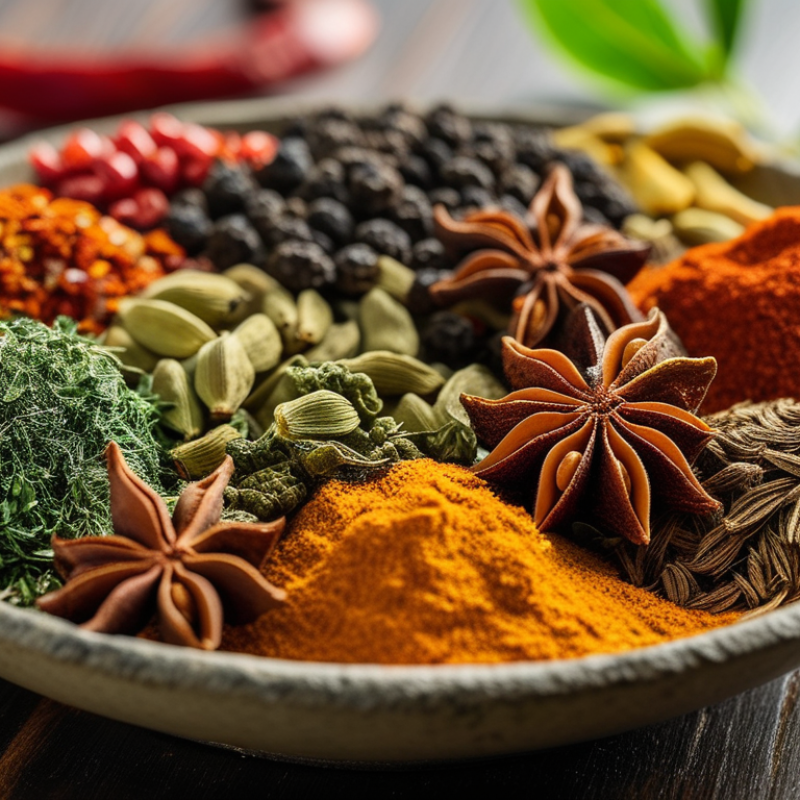
The gourmet spices market in China is experiencing notable growth. According to industry reports, the market is expected to exceed $10 billion by 2026. There is an increasing demand for high-quality spices, driven by culinary trends worldwide. Consumers seek unique flavors and health benefits.
China's production capabilities provide a robust supply. The country offers an array of spices, including Sichuan pepper and star anise. These ingredients are highly valued in global cuisines. However, not all Chinese spices meet international quality standards. Buyers must be cautious and prioritize sourcing from reputable suppliers.
Market trends indicate that organic and specialty spices are gaining traction. Reports show a 15% annual growth rate in demand for organic spices. This shift reflects consumer preferences for natural products. Importers may face challenges in ensuring compliance with food safety regulations. Certification processes can be complex and require patience. Global buyers need to adapt to these evolving dynamics in China's gourmet spice market.
As global culinary practices evolve, Chinese spices are emerging as essential ingredients in kitchens worldwide. The unique flavors offered by Chinese spice varieties captivate chefs and home cooks alike. A few standout examples are Sichuan peppercorns, star anise, and Chinese five-spice powder. Each brings a distinctive touch to dishes, enhancing both taste and aroma.
Sichuan peppercorns deliver a numbing heat that surprises the palate. They contrast beautifully with savory and sweet flavors. Meanwhile, star anise contributes a sweet and licorice-like flavor that can transform soups and braises. The complex blend of spices in Chinese five-spice powder provides an aromatic depth, enriching everything from meats to vegetables.
However, the increasing popularity of these spices poses challenges. Sourcing high-quality ingredients is vital for maintaining authenticity. Some products may lack the robust flavor that defines true Chinese spices. Chefs must be discerning to ensure they are using genuine varieties. This growing demand in the global market requires a careful balance between tradition and innovation.
The global spice market is witnessing notable changes. From 2022 to 2026, Chinese spice exports show promising trends. The demand for gourmet spices is rising sharply, driven by culinary creativity worldwide. Asian cuisine, in particular, fuels this growth. Chefs seek unique flavors, which Chinese spices provide.
China boasts a rich variety of spices. These include Sichuan pepper, star anise, and chili peppers. Each spice carries distinct characteristics that enhance dishes. However, consistency and quality control remain challenges for exporters. Some buyers report varying quality from shipment to shipment. Establishing reputability is vital for sustainable growth.
Market analysis indicates that exporters must adapt to changing preferences. Sustainability in farming practices is gaining traction. Traditional methods often clash with modern demands. Balancing heritage with innovation could be the key. Clearly, the potential of the Chinese spice market is vast, yet it comes with complexities that need addressing.
China's spice industry faces increasing competition from global producers. In 2026, buyers will notice diverse choices, raising the bar for quality. Chinese spices are renowned for their unique flavors and aromas. However, producers in other regions are stepping up their game. Innovative techniques and sustainable practices emerge as key factors in the competitive landscape.
As more countries invest in spice production, China's industry must adapt. The local market may see shifts in pricing and quality standards. Buyers should remain vigilant about transparency. It’s crucial to know the journey of the spice from farm to table.
The spice market in 2026 will be dynamic. Opportunity exists for those ready to explore. Yet, buyers should reflect on their purchasing habits. Supporting sustainable practices benefits everyone in the long run.
The global spice market is evolving rapidly. Consumer preferences are shaped by health consciousness and evolving culinary trends. Recent studies show that 70% of consumers prioritize natural ingredients. In 2023, a survey found that 58% of spice buyers prefer organic options, highlighting their desire for purity and quality.
Cultural influences also play a significant role. Many consumers are exploring international cuisines. The popularity of Asian and Middle Eastern dishes has led to increased demand for authentic spices. A report indicated that 45% of buyers are willing to pay more for unique flavor profiles. Yet, there is a conflict. Some consumers struggle to find genuine products amid a sea of artificial alternatives. Awareness of fraudulent spices can foster skepticism.
Packaging and sustainability also matter. Research indicates that 65% of consumers consider eco-friendly packaging when selecting spices. This awareness drives brands to innovate. However, some companies still lag, failing to meet these evolving preferences. As buyers become more discerning, brands must adapt swiftly. Ignoring these insights may risk losing a substantial market share in the coming years.
| Spice Type | Flavor Profile | Aroma Intensity | Color | Origin Region | Consumer Preference (%) |
|---|---|---|---|---|---|
| Sichuan Pepper | Citrusy, Numbing | Medium | Light Brown | Sichuan Province | 35% |
| Star Anise | Sweet, Licorice | High | Dark Brown | Yunnan Province | 25% |
| Five Spice Powder | Balanced, Complex | Medium | Dark Beige | Nationwide | 20% |
| Ginger | Spicy, Earthy | Medium | Light Yellow | Guangdong Province | 15% |
| Chili Flakes | Fiery, Pungent | High | Red | Hunan Province | 5% |
: The market is growing and expected to exceed $10 billion by 2026, driven by demand for quality.
Buyers must research suppliers and prioritize those with certifications to meet international quality standards.
Many consumers prioritize natural ingredients, with 70% indicating a preference for organic options.
Importers may struggle with complex food safety compliance and certification processes that require patience.
Rising interest in international cuisines has driven demand for authentic spices, especially from Asian and Middle Eastern regions.
About 65% of consumers prefer eco-friendly packaging, but some brands still fail to meet these expectations.
Buyers should engage with suppliers about sourcing methods and be aware of global demand impacts on pricing.
Increased competition means better quality choices, pushing Chinese producers to innovate and improve.
Many struggle to identify genuine products, leading to skepticism about the authenticity of spices available.
Supporting sustainability in spice production ultimately benefits consumers, producers, and the environment.
The article titled "China Best Gourmet Spices for Global Buyers in 2026?" explores the promising landscape of China's gourmet spices market and the increasing global demand projected for 2026. It outlines key trends influencing the culinary scene, highlighting popular Chinese spice varieties that are capturing international attention. With a detailed market analysis, the article indicates a significant export growth of Chinese spices from 2022 to 2026, showcasing the competitive edge of China's spice industry amidst rising global competitors.
Furthermore, the piece examines consumer preferences, identifying essential factors that shape spice selection worldwide. As gourmet spices continue to play a crucial role in enhancing culinary experiences, understanding these dynamics will be vital for global buyers looking to source the best offerings from China. Overall, this comprehensive overview not only highlights the current state of China's spice industry but also anticipates its future impact on the global market.

Baking Supplies