The food industry is rapidly evolving, especially regarding sweeteners. According to a recent report by Mordor Intelligence, the natural sweeteners market is projected to grow by 5.67% from 2021 to 2026. This reflects a significant shift toward healthier options. Consumers today increasingly seek alternatives to refined sugars.
Natural sweeteners are often viewed as healthier substitutes. Popular options include honey, agave, and stevia. These products are perceived to provide lower calories and fewer health risks. However, not all natural sweeteners are created equal. Some can have unique flavors that may not appeal to all consumers, raising questions about their application in various products.
Selecting the right natural sweeteners for your business can be challenging. It's essential to consider factors such as taste, ingredient sourcing, and consumer preferences. Additionally, the lack of clarity around labeling can mislead customers. Understanding the nuances of natural sweeteners is crucial for businesses aiming to meet market demands while ensuring product quality and integrity.
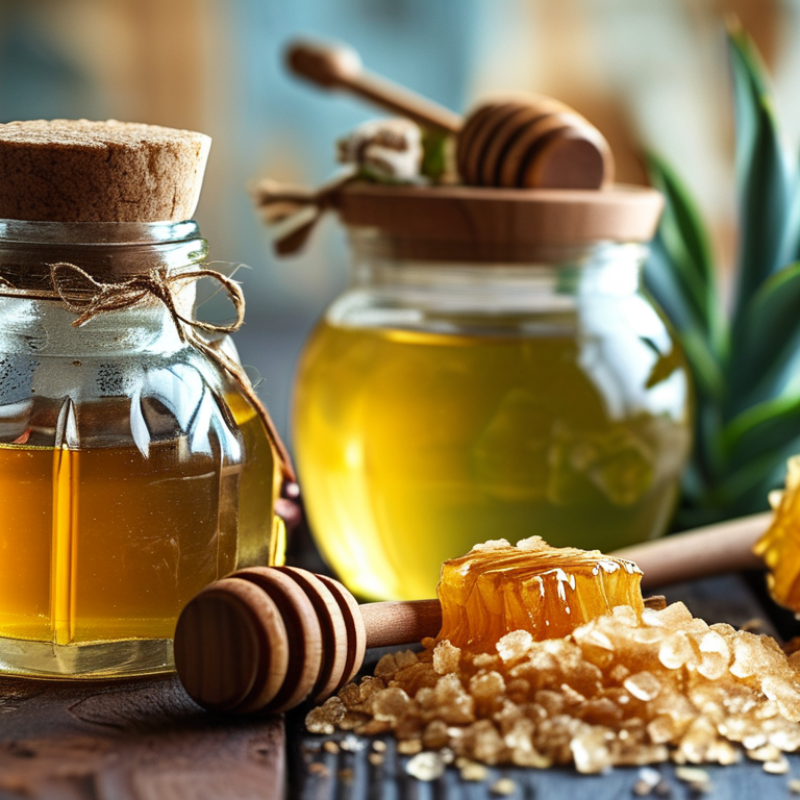
When selecting natural sweeteners, it is crucial to understand their various types. Natural sweeteners include honey, agave nectar, maple syrup, and stevia. Each has unique flavor profiles and nutritional benefits. According to a report by the American Herbal Products Association, the demand for natural sweeteners increased by 15% in the last two years. This reflects a shift towards healthier alternatives in the food industry.
Honey is a popular choice for its rich flavor and antioxidant properties. It contains natural sugars, primarily fructose and glucose. Its health benefits are well-documented, but quality can vary greatly. Agave nectar is often marketed as a healthier option due to its low glycemic index. However, it is high in fructose, which can be misleading for health-conscious consumers.
Stevia is another prominent natural sweetener. It is derived from the leaves of the Stevia rebaudiana plant. Research shows that stevia can be up 200-300 times sweeter than sugar without calories. Yet, it can have a distinct aftertaste that may not appeal to everyone. Understanding these aspects is vital for businesses aiming to meet consumer demands while ensuring a product’s integrity. Balancing flavor, cost, and health benefits remains a challenge in this evolving market.
When evaluating natural sweeteners, it's crucial to consider their health benefits for consumers. Many opt for natural options over refined sugars. These alternatives often have lower glycemic indexes. They may provide more nutrients, unlike traditional sweeteners that contribute empty calories.
TIPS: Consider using sweeteners like stevia or monk fruit. They have minimal impact on blood sugar levels. This makes them suitable for many dietary needs.
Look into the potential side effects. Some natural sweeteners can cause digestive issues in sensitive individuals. Always ensure transparency in labeling. Consumers appreciate knowing what they are consuming.
TIPS: Provide education on proper usage. Information about sweetness levels can help consumers avoid overuse. Offering recipe suggestions can enhance their experience. Curating a range of options may appeal to a broader audience.
Natural sweeteners have gained popularity, driven by consumer demand for healthier options. Analyzing the flavor profiles of these alternatives is essential for businesses seeking to meet this demand. Honey, for instance, has a distinctive floral and fruity flavor, which varies significantly based on its source. In contrast, maple syrup offers a robust, earthy sweetness that is ideal for baking and breakfast products. According to industry reports, these sweeteners can improve product appeal while providing distinctive taste experiences.
When evaluating sweeteners, one must also consider their interaction with other ingredients. Stevia, for example, has a strong aftertaste that may not complement delicate flavors. A study by the International Journal of Food Sciences suggests that combining sweeteners can enhance overall flavor profiles, but requires careful balancing.
Tip: Conduct taste tests with your target audience to refine your choices. Not every sweetener fits every product. Monitor market trends and consumer preferences closely. Understand that flavor profiles will influence product performance, and adapt accordingly.
| Sweetener | Flavor Profile | Sweetness Level (Relative to Sugar) | Caloric Content (per teaspoon) | Suitability for Baking |
|---|---|---|---|---|
| Honey | Floral, sweet, with a hint of fruit | 1.5 | 21 calories | Yes |
| Maple Syrup | Rich, caramel-like | 1.0 | 52 calories | Yes |
| Agave Syrup | Mild, neutral | 1.5 | 21 calories | Limited |
| Coconut Sugar | Caramel, light butterscotch | 0.7 | 15 calories | Yes |
| Stevia | Sweet, slightly bitter aftertaste | 200-300 | 0 calories | Yes, with adjustments |
Choosing the right natural sweeteners can greatly impact a business’s bottom line. According to a report by Research and Markets, the global natural sweetener market is expected to reach $25 billion by 2025, driven by increasing consumer demand for healthier options. Understanding the cost-effectiveness of these sweeteners can help businesses optimize their purchasing decisions.
When evaluating natural sweeteners, consider their sourcing and production costs. For instance, stevia and monk fruit may have higher upfront costs compared to traditional sugars. However, their concentrated nature can lead to lower usage rates. A study from the International Sweeteners Association indicates that using stevia can reduce sugar consumption by up to 50% in certain applications. This shift can result in significant cost savings over time.
It’s essential to weigh the benefits against potential drawbacks. Natural sweeteners may alter the taste of products, which could require reformulations. Additionally, sourcing these sweeteners can be inconsistent, impacting supply chains. Businesses must assess these factors carefully to ensure they are not just following trends but making informed decisions that align with customer preferences.
As more consumers seek healthier lifestyles, natural sweeteners are gaining popularity. Current trends show a shift toward wholesome, unprocessed ingredients. Options like honey, stevia, and agave are frequently favored. Consumers are more aware of artificial additives and are thus leaning towards natural alternatives. It’s crucial to tap into this growing demand for clean-label products.
Choose sweeteners that align with health-conscious trends. Perform market research to understand your target audience's preferences. Are they looking for low-calorie options or organic certifications? This insight will help tailor your product offerings effectively. Incorporating natural sweeteners must resonate with consumer values.
Tips: Highlight the benefits of each sweetener in your marketing. Use simple language to connect with potential customers. Transparency about sourcing and processing practices can enhance trust. Gathering feedback from consumers on their favorite sweeteners can provide further insights. Also, remember that taste testing is key. Consumers may have unique preferences and unexpected reactions to different flavors. Continuous engagement can lead to better product development.
: Evaluate sourcing, production costs, and usage rates. Upfront costs may be high, but savings can be significant.
They can alter flavors, potentially requiring reformulations. This change might not always be welcomed by consumers.
Increasing demand for healthier options is leading consumers to seek natural alternatives over artificial additives.
Understanding consumer preferences helps tailor product offerings. Low-calorie or organic options may attract specific audiences.
Sharing sourcing and processing information builds consumer trust. Clarity can influence buying decisions positively.
It reveals unique consumer preferences. Unexpected reactions may arise, highlighting areas for reformulation.
Inconsistencies can disrupt supply chains. Businesses must prepare for potential fluctuations that might affect production.
Yes, natural sweeteners may have lower usage rates, leading to reduced sugar consumption and cost savings over time.
Consumers favor unprocessed, wholesome ingredients. Awareness of these trends can guide product strategy effectively.
Continuous feedback and interaction help align products with consumer values. Tailoring offerings leads to better satisfaction.
In the quest to choose the best natural sweeteners for your business, it's essential to understand the various types available, including options like agave, stevia, and honey, each bringing unique characteristics to the table. Evaluating the health benefits of these natural sweeteners is crucial, as many consumers are increasingly health-conscious and seeking alternatives to refined sugars.
Furthermore, analyzing the flavor profiles of popular natural sweeteners can help businesses cater to diverse consumer tastes, while assessing the cost-effectiveness ensures that the choice aligns with budgetary constraints. Finally, staying attuned to consumer trends and preferences regarding natural sweeteners will enable businesses to adapt and thrive in a competitive market, ultimately leading to better product offerings that resonate with health-aware customers.

Baking Supplies