How to Choose the Best Dried Fruits for Your Needs?

Time:2026-08-05 Author:Liam
0%

Choosing the right dried fruits can significantly enhance your diet. Dried fruits are nutrient-dense snacks and offer various health benefits. However, not all dried fruits are created equal. The choice can be overwhelming, given the wide selection available in stores today.

When selecting dried fruits, consider your nutritional needs and taste preferences. Do you want something sweet, tart, or savory? Check for additives. Some products contain added sugars or preservatives that can impact health. Good-quality dried fruits should be simple and natural.

Reflect on your experiences with dried fruits. Have you enjoyed certain types more than others? Personal taste plays a crucial role. As you explore, take notes of what you like and dislike. Remember that your body’s response also matters. What works for one person may not work for another. With thoughtful exploration, you can find the best dried fruits that suit your needs and preferences.
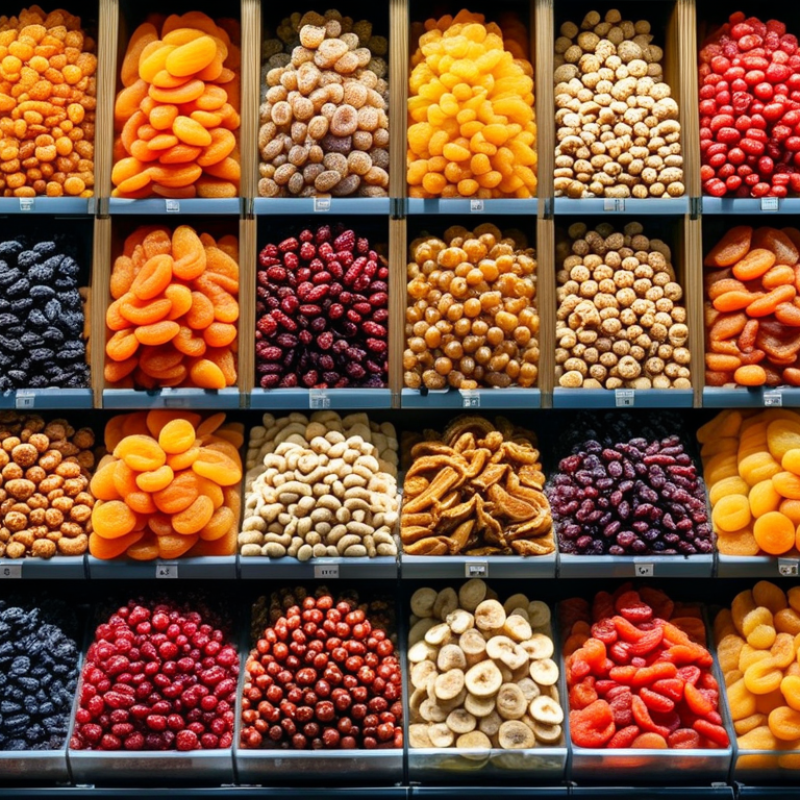
How to Choose the Best Dried Fruits for Your Needs?

Factors to Consider When Selecting Dried Fruits for Your Diet

When selecting dried fruits for your diet, it’s essential to consider various factors. First, check the sugar content. Some dried fruits have added sugars, which can increase calorie intake. Look for options that are natural and without additives. This is crucial for maintaining a balanced diet.

Next, pay attention to the nutrient profile. Dried fruits are rich in vitamins, minerals, and fiber. For example, dried apricots are loaded with vitamin A, while raisins are high in iron. Choose a variety that aligns with your health goals. Some people may require more fiber, while others might need more antioxidants.

Also, consider freshness and texture. Stale or overly dry fruits can affect your experience. High-quality dried fruits should be moist yet chewy. If you notice a hard texture, they might not be the best choice. Reflecting on your preferences and health needs will help you make informed decisions. Selecting the right dried fruits can elevate your snacking routine significantly.

Nutritional Profiles of Popular Dried Fruits: A Comparative Analysis

When selecting dried fruits, one must consider their unique nutritional profiles. For example, raisins are rich in iron and fiber. They can boost your energy and support digestion. Meanwhile, apricots are packed with vitamins A and C. This makes them great for skin health and immune support.

Curiously, while both figs and dates have high sugar levels, their health benefits differ. Figs are excellent sources of minerals like calcium and potassium. They can aid bone health and muscle function. Dates, with their high fiber content, promote gut health. The balance between sweetness and nutrients should guide your choices.

Remember, not all dried fruits are created equal. Some may contain added sugars or preservatives. Always check labels for transparency. Experimenting with different varieties can lead to meaningful health insights. Understanding the nutritional landscape allows for informed decisions.

The Importance of Organic vs. Conventional Dried Fruits

When choosing between organic and conventional dried fruits, it’s essential to consider several factors. Organic dried fruits often come from crops grown without synthetic pesticides or fertilizers. This can reduce your exposure to harmful chemicals. However, the organic label does not guarantee superior taste or quality. Sometimes, conventional dried fruits can be just as flavorful, depending on the sourcing.

Organic options may also be more expensive. This raises questions about whether the benefits are worth the extra cost. Conventional dried fruits are often more available and can still provide significant nutritional value. It’s crucial to read labels and understand sourcing practices. Not all conventional fruits are created equal; some might still undergo rigorous quality checks.

Many consumers have concerns about additives in dried fruits. Organic varieties can have fewer preservatives. However, this doesn’t mean that all conventional fruits are unsafe. Pay close attention to the ingredients list. Sometimes, the less expensive option provides the best value. Reflect on your dietary needs and preferences. Quality should always take precedence over labels alone.

Reading Labels: How to Identify Quality Dried Fruits

When selecting dried fruits, reading labels is crucial. Nutritional information provides insights into calorie content, sugar levels, and fiber. Look for varieties that have no added sugars or preservatives. Natural sweetness is key to enjoying your dried fruit without unnecessary additives.

Check the ingredient list closely. Quality dried fruits should contain only one ingredient— the fruit itself. If you see a long list of additives, steer clear. This often indicates poor quality. The color and texture also matter. Brightly colored fruits may be artificially enhanced. Aim for those that appear more natural and less shiny.

A common mistake is overlooking the serving size. It’s easy to consume too many calories without realizing it. Be mindful of portion sizes as you enjoy these healthy snacks. This awareness can lead to better choices overall. Remember to listen to your body as well. Notice how different fruits affect your energy and mood. Adjust your selection based on this reflection.

Understanding Sugar Content and Preservation Methods in Dried Fruits

When selecting dried fruits, understanding sugar content is vital. Many people overlook the fact that some dried fruits can be high in sugar. This sugar often comes from the fruit's natural sugars, but some may have additional sweeteners. Check the label before purchasing. Organic options may have less sugar, but it's essential to verify each product.

Preservation methods also affect the quality of dried fruits. Some producers use sulfur dioxide to maintain color and freshness. Others rely on natural drying, which can enhance flavors but may affect shelf life. Look for air-dried or sun-dried varieties for better taste and fewer preservatives. Remember that not all dried fruits are created equal. The drying process can impact nutritional value and texture, potentially leading to a less satisfying snack.

As you explore your options, consider your dietary needs. For instance, people with sensitivities to sugar might want to steer clear of heavily sweetened varieties. Experiment with different types to find what suits your taste. Understanding sugar levels and preservation methods will lead to more informed choices and healthier snacking.

FAQS

: What should I check when selecting dried fruits?

: Check the sugar content first. Some dried fruits contain added sugars that increase calories.

How do I know if dried fruits are fresh?

Fresh dried fruits should feel moist and chewy. Avoid those that are hard or overly dry.

Why is the nutrient profile important?

Nutrient profiles dictate the health benefits. Choose fruits that support your specific health goals.

Are all dried fruits equally healthy?

No, not all dried fruits are created equal. Some may have added sugars or preservatives.

What preservation methods should I look for?

Opt for air-dried or sun-dried fruits. They often taste better and have fewer preservatives.

How can sugar content affect my health?

High sugar levels may lead to increased calorie intake. Be mindful of added sweeteners in dried fruits.

Can I benefit from experimenting with different dried fruits?

Yes, trying various types can inform your dietary choices and enhance your health insights.

What are some specific health benefits of dried fruits?

For example, raisins boost energy and support digestion. Apricots are excellent for skin health.

Is it important to read labels on dried fruits?

Absolutely. Labels reveal sugar content and any additives that may impact dietary choices.

How do personal health needs influence dried fruit selection?

Individual needs vary; some may require more fiber or antioxidants, affecting their choices.

Conclusion

When selecting dried fruits for your diet, it's essential to consider various factors that affect their nutritional value and quality. Nutritional profiles of popular dried fruits can vary significantly, so a comparative analysis can help you make informed choices. Additionally, choosing between organic and conventional dried fruits is crucial, as organic options often come with fewer pesticides and additives. Reading labels is key to identifying quality products, allowing consumers to discern the presence of artificial ingredients and preservatives.

Understanding sugar content and the methods used for preservation is another critical aspect of selecting dried fruits. Many dried fruits are concentrated sources of natural sugars, and being aware of these levels can aid in maintaining a balanced diet. In summary, by considering these factors—nutritional profiles, organic versus conventional options, label reading, and sugar content—you can choose the best dried fruits that fit your dietary needs and preferences.

Liam

Liam

Liam is a dedicated marketing professional with a profound expertise in the industry, where he excels at highlighting the unique advantages of our core products. With a keen understanding of market trends and consumer needs, Liam frequently updates our company’s professional blog, providing......