What Are Culinary Tools and How Are They Used?

Time:2026-09-14 Author:Liam
0%

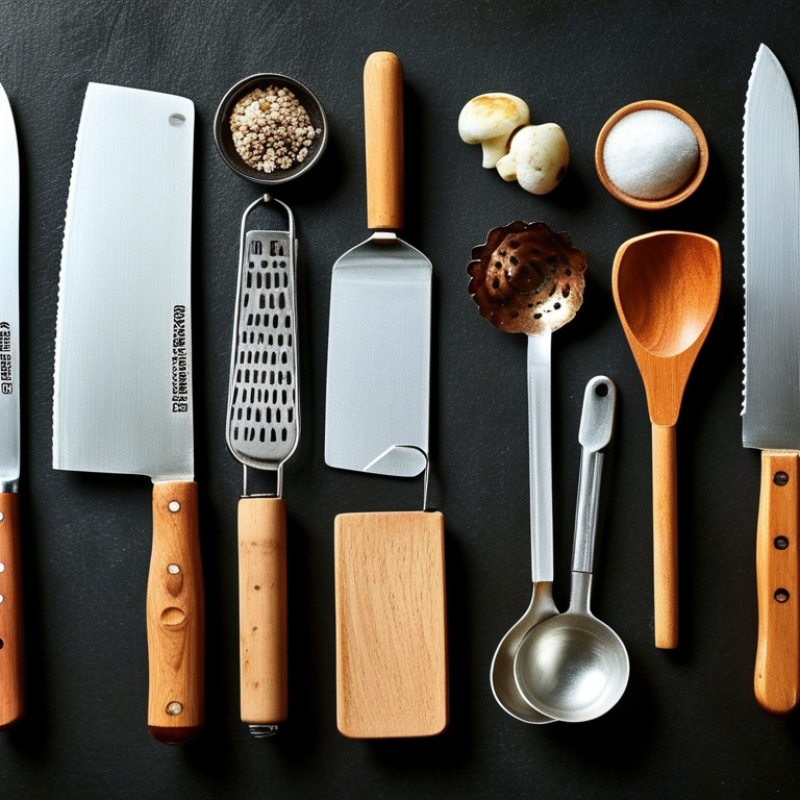
Culinary Tools are the practical instruments that turn ingredients into prepared meals. They include chef’s knives, cutting boards, peelers, whisks, tongs, thermometers, and measuring cups. Each tool has a specific purpose, but good cooking depends on more than owning expensive equipment. A sharp knife can create even slices, while a reliable thermometer helps confirm safe cooking temperatures. Small choices affect texture, timing, and flavor.

Experience teaches cooks to select tools according to the ingredient and task. A serrated knife suits crusty bread, while a flexible spatula protects delicate fish. Heavy cookware can distribute heat steadily, although it may feel tiring during long preparation. Clean surfaces and properly maintained tools also support dependable kitchen hygiene. Food safety guidance recommends washing hands, preventing cross-contamination, and checking cooked foods with accurate equipment.

Details matter.

Still, no tool guarantees a successful dish. Beginners may measure carefully yet overlook pan temperature or ingredient moisture. Even experienced cooks sometimes choose the wrong utensil and need to adjust. That is part of learning. Testing a tool in real kitchen conditions reveals its balance, grip, durability, and limitations. This guide explores how Culinary Tools work, where they are most useful, and how thoughtful selection can make preparation safer and more efficient. The aim is practical knowledge, not unnecessary equipment. A modest, well-maintained collection often serves better than a crowded drawer.
What Are Culinary Tools and How Are They Used?

Classify Culinary Tools by Function, Material, and Kitchen Workflow

What Are Culinary Tools and How Are They Used?

Culinary tools work best when classified by function, material, and kitchen workflow. Cutting tools include chef’s knives, peelers, and kitchen shears. Measuring tools control weight, volume, and temperature. Mixing tools, such as whisks and spatulas, build texture without damaging delicate ingredients.

Material affects performance and maintenance. Stainless steel resists stains and handles high heat. Silicone suits flexible scraping and moderate heat exposure. Wood feels comfortable during stirring, but it needs thorough drying. In my kitchen, I still reach for the wrong spoon sometimes. That small mistake shows why workflow matters. Arrange tools around preparation, cooking, holding, and cleaning. A thermometer belongs near the cooking area, not hidden in a drawer. The FDA Food Code 2022 recommends keeping cold foods at 41°F or below. This makes temperature tools part of safe workflow, not optional decoration.

Tips: Choose tools for the task, not appearance. The 2024 State of the Restaurant Industry report projected U.S. restaurant sales above $1 trillion, increasing pressure on speed and consistency. Use labeled containers, sharp cutting tools, and separate utensils for raw and ready-to-eat foods. Check handles, seams, and surfaces regularly. A tool can look clean yet retain residue in a damaged joint. Small checks prevent larger failures.

Select Knives Using 15–20° Edges and Task-Specific Blade Profiles

What Are Culinary Tools and How Are They Used?

A culinary tool should match the task, not merely look impressive. For most kitchen knives, a 15–20° edge offers a practical balance between sharpness, control, and durability. A narrower edge can slice ripe tomatoes cleanly. A sturdier edge handles squash, herbs, and repeated board contact better.

15–20° A practical balance between sharpness, control, and durability.

Blade profile matters just as much. A broad chef’s knife supports rocking cuts and steady chopping. A thin slicing blade reduces drag through cooked meat. A compact utility blade gives better control around small produce. In my kitchen work, grip and cutting angle often matter more than advertised sharpness. I still overestimate my speed sometimes. That mistake makes a safe, comfortable handle essential.

The National Restaurant Association’s 2024 State of the Restaurant Industry report projected U.S. restaurant sales above one trillion dollars. Its findings also describe sustained pressure on labor and operating costs. Efficient, task-specific tools can reduce wasted motion during busy service, although they cannot replace training. The 2022 FDA Food Code also emphasizes cleanable, durable food-contact equipment. That supports choosing smooth handles, sound blade construction, and tools that can be cleaned thoroughly.

Tips: Test the knife on paper, then on a firm vegetable. Keep the edge near 15–20° while sharpening. Use a chef’s profile for general prep. Choose a thinner blade for precision slicing. Inspect the handle after washing. Small cracks deserve attention.

Apply HACCP’s 7 Principles to Prevent Cross-Contamination

Culinary tools support safe preparation as much as they improve speed. A knife, cutting board, thermometer, storage container, and label marker can all affect food safety. HACCP turns these everyday tools into controls against cross-contamination. The method begins with hazard analysis. In a kitchen, raw chicken may carry harmful microorganisms, while a clean salad can receive them from the same board.

A practical HACCP plan identifies critical control points, such as raw food preparation, cooking, cooling, and storage. Each point needs a measurable critical limit. For example, a probe thermometer can confirm that poultry reaches the required safe internal temperature. Monitoring must be regular, not occasional. Record the reading, time, and food item. Small details matter. If the temperature falls outside the limit, corrective action should follow immediately. Stop service, separate the food, and reheat or discard it according to the established procedure. Guessing is not control.

Verification checks whether the system actually works. A supervisor can review temperature logs, inspect sanitized tools, and test thermometer accuracy. Records provide evidence and reveal repeated problems, such as a cooler warming during busy periods. I once underestimated how quickly a damp cloth could spread residue across a clean counter. That mistake changed my routine: I now replace cloths often and keep raw-food tools visibly separate. The system is useful, but people can still rush. Regular training, clear labeling, and honest recordkeeping help expose those weak moments.

What Are Culinary Tools and How Are They Used?

HACCP temperature checkpoints help prevent cross-contamination and control hazards during preparation, cooking, holding, and storage.

Use separate cutting boards and knives for raw and ready-to-eat foods, clean and sanitize work surfaces, and verify temperatures with a calibrated food thermometer. The seven HACCP principles are hazard analysis, critical control points, critical limits, monitoring, corrective actions, verification, and recordkeeping. Values shown are common food-safety guidance: cold holding at 4°C or below, hot holding at 60°C or above, whole cuts at 63°C with a rest period, ground meats at 71°C, and poultry or leftovers at 74°C.

Use Thermometers to Verify Poultry Reaches USDA’s 165°F Benchmark

A kitchen thermometer is a simple culinary tool, but it provides evidence that appearance cannot. Poultry can look browned while remaining unsafe inside. USDA Food Safety and Inspection Service guidance sets 165°F (74°C) as the safe internal temperature for poultry. That benchmark applies to chicken, turkey, and other poultry cuts.

Insert the thermometer into the thickest section, avoiding bones, which can distort the reading. Check several areas, especially near the breast, thigh, or center of a stuffed portion. The reading should reach 165°F before serving. Clean the probe with hot, soapy water before and after use. Calibration also matters. An ice-water test should read about 32°F (0°C).

A quick glance can deceive.

The Centers for Disease Control and Prevention estimates that foodborne illness causes about 48 million illnesses, 128,000 hospitalizations, and 3,000 deaths annually in the United States. These estimates show why temperature checks deserve routine attention, not guesswork. In my own cooking, I once trusted clear juices and firm meat. That shortcut was unreliable. A thermometer changed the decision from “probably done” to measurable evidence. It also exposed uneven heating in thick pieces. Still, I sometimes check too quickly and remove the probe before the display stabilizes. That is a small mistake, but it deserves correction. A steady reading, taken from more than one spot, offers stronger protection than color, texture, or cooking time alone.

Clean and Sanitize Food-Contact Tools Under NSF/ANSI 2 Standards

Culinary tools include knives, cutting boards, tongs, ladles, thermometers, and mixing utensils. They shape, portion, measure, and move food during preparation. Because these tools touch ingredients directly, their condition affects food safety. A cracked cutting board or loose knife handle can trap soil and moisture. Small defects matter.

NSF/ANSI 2 focuses on food equipment materials, construction, and cleanability. It helps ensure that food-contact surfaces can be cleaned effectively and resist common service conditions. The standard does not replace a daily sanitation procedure. Staff should still follow approved workplace methods and local health requirements.

Clean tools soon after use. Scrape away food residue, then wash each item with warm water and suitable detergent. Rinse away detergent completely. Disassemble tools when possible, especially around hinges, seams, and removable blades. Apply an approved sanitizer at the labeled concentration and contact time. Test strips can confirm the solution is strong enough. Too weak may fail. Too strong may leave unwanted residue.

Allow sanitized tools to air-dry on a clean rack. Do not wipe them with a used towel. Store them above floors and away from splash areas. Inspect surfaces before reuse. I have found that visual checks are easy to rush, especially during busy service. That habit needs correction. A tool may look clean while harboring residue beneath a handle or inside a joint. Replace damaged items, and record cleaning checks when procedures require documentation.

What Are Culinary Tools and How Are They Used? - Clean and Sanitize Food-Contact Tools Under NSF/ANSI 2 Standards

Tool Category Typical Examples Common Food-Contact Material Primary Culinary Use Cleaning Method Sanitizing Practice Inspection Points NSF/ANSI 2 Considerations
Cutting Tools Chef knives, paring knives, cleavers Stainless steel; food-safe polymer handles Slicing, chopping, trimming, and portioning ingredients Remove food debris, wash with detergent and potable water, rinse, and air-dry Use an approved chemical sanitizer at the label concentration and contact time, or an appropriately controlled hot-water process Check for rust, cracks, loose handles, damaged edges, and food trapped near the handle Food-contact surfaces should be smooth, cleanable, corrosion-resistant, and free from crevices that can harbor soil
Preparation Boards Chopping boards, cutting mats, carving boards Non-porous polymer or sealed, food-safe composite material Providing a stable surface for cutting and portioning Scrape off residue, wash both sides and edges, rinse thoroughly, and allow complete air-drying Apply sanitizer evenly after washing; observe the required concentration and contact time Look for deep knife grooves, warping, stains, cracks, and areas that cannot be effectively cleaned Surfaces should remain readily cleanable; heavily damaged boards should be removed from food preparation
Measuring Tools Measuring cups, measuring spoons, portion scoops Stainless steel or durable food-contact plastic Measuring ingredients and controlling serving portions Wash all interior and exterior surfaces, paying attention to joints and handles Sanitize after washing, especially when tools are used for ready-to-eat foods Check graduation marks, seams, cracks, discoloration, and residue around attachment points Construction should support effective washing and sanitizing without exposed areas that retain food soil
Mixing and Stirring Tools Whisks, spatulas, ladles, mixing paddles Stainless steel, silicone, or food-safe polymer Blending, stirring, folding, scraping, and transferring food Disassemble removable parts when possible; wash, rinse, and air-dry after use Sanitize the entire food-contact area, including tines, seams, and scraper edges Inspect for split seams, peeling coatings, bent wires, loose parts, and degraded silicone Design should minimize hollow sections, inaccessible joints, and surface damage that interferes with sanitation
Straining Tools Colanders, sieves, chinois strainers Stainless steel mesh and food-safe polymer handles Draining, filtering, rinsing, and separating solids from liquids Flush mesh openings, scrub carefully with detergent, rinse, and inspect before drying Ensure sanitizer reaches the mesh, rim, underside, and handle junctions Check for blocked openings, broken wires, sharp projections, corrosion, and trapped food particles Perforated and mesh surfaces should be accessible for cleaning and designed to prevent persistent soil accumulation
Thermometers Probe thermometers, surface-temperature thermometers Stainless steel probe with food-safe housing Checking cooking, holding, cooling, and receiving temperatures Wash the probe with detergent and water before rinsing; avoid immersing components not rated for water exposure Sanitize the probe before and after measuring different foods; follow the sanitizer instructions Check probe integrity, display accuracy, battery compartment seals, and calibration according to the operating procedure Food-contact portions should be cleanable and maintained in sanitary condition; certification and use requirements may vary by equipment type
Serving Utensils Tongs, serving spoons, forks, and turners Stainless steel or heat-resistant food-safe polymer Handling, portioning, and serving cooked or ready-to-eat foods Wash, rinse, and air-dry between tasks or whenever contamination is suspected Sanitize before use with ready-to-eat food and after contact with raw animal products Inspect gripping surfaces, springs, rivets, seams, and heat-damaged areas Utensils should be made and maintained so food-contact surfaces can be effectively cleaned and sanitized
Baking Tools Rolling pins, pastry brushes, dough scrapers Stainless steel, food-safe silicone, or sealed hardwood where permitted Shaping dough, applying coatings, and dividing or scraping mixtures Remove flour and dough promptly; wash bristles, edges, handles, and joints thoroughly Sanitize after washing when tools contact ready-to-eat products or shared production areas Look for splintering, loose bristles, cracked handles, worn edges, and absorbed food residue Materials and finishes should be non-toxic, durable, and suitable for repeated cleaning under the intended conditions
Cleaning Accessories Food-contact brushes, scrapers, and dedicated cleaning pads Durable plastic, synthetic bristles, or stainless steel components Removing soil from tools, containers, and food-contact equipment Rinse after use, wash separately from food tools, sanitize as required, and store to dry Use a sanitizer suitable for the accessory material and follow the product label directions Replace when bristles shed, pads deteriorate, handles crack, or visible soil remains after cleaning Cleaning tools should not introduce contamination; they must be maintained, stored hygienically, and used for their designated purpose

Operational note: Cleaning removes food residue and soil, while sanitizing reduces microorganisms to a level considered safe by applicable food-safety requirements. Always follow the sanitizer label, local health regulations, and the equipment manufacturer's care instructions. NSF/ANSI 2 requirements and certification applicability depend on the specific food equipment or utensil design and intended use.

FAQS

How should culinary tools be classified?

Classify them by function, material, and kitchen workflow. Cutting tools include knives, peelers, and shears. Measuring tools control weight, volume, and temperature. Mixing tools create texture without damaging delicate ingredients.

Why does material matter when choosing a kitchen tool?

Stainless steel resists stains and handles high heat. Silicone scrapes flexible surfaces effectively. Wood feels comfortable during stirring but requires thorough drying.

Where should tools be placed in a kitchen?

Keep tools near their work areas. Store thermometers beside cooking equipment, not inside a hidden drawer. Place preparation, cooking, holding, and cleaning tools in separate zones.

How can tools support food safety?

Use separate utensils for raw and ready-to-eat foods. Label containers clearly. Check handles, seams, and surfaces for trapped residue.

What does HACCP change about everyday kitchen work?

It turns ordinary tools into safety controls. Knives, boards, thermometers, containers, and labels support hazard prevention and monitoring.

Which kitchen steps need critical control points?

Focus on raw preparation, cooking, cooling, and storage. Each step needs a measurable limit and regular monitoring.

How should temperature checks be recorded?

Record the temperature, time, and food item. Do not rely on occasional guesses. A short log can reveal repeated cooling or storage problems.

What should happen when a food temperature misses its limit?

Begin corrective action immediately. Separate the food and follow the established reheating or disposal procedure. Guessing is not control.

How can kitchens reduce cross-contamination?

Keep raw-food tools visibly separate. Replace damp cloths often. Sanitize surfaces and inspect tools after busy work periods.

Are clean-looking tools always safe?

Not necessarily. Residue may remain inside a damaged seam or joint. I once missed this. Regular inspection helps expose weak routines.

Conclusion

Culinary Tools are essential implements that support nearly every stage of food preparation, from measuring and cutting to cooking, serving, and cleaning. They can be classified by their function, material, and position within the kitchen workflow. Choosing the right knife requires attention to both the task and the blade profile, while a cutting edge of approximately 15–20 degrees can provide a practical balance of sharpness, control, and durability for many food-preparation activities.

Safe use of Culinary Tools also depends on proper hygiene and temperature control. Applying the seven principles of HACCP helps identify hazards, establish critical control points, and reduce the risk of cross-contamination. A food thermometer should be used to confirm that poultry reaches the recommended internal temperature of 165°F. After use, food-contact tools must be thoroughly cleaned and sanitized according to recognized food-service sanitation requirements, including applicable NSF/ANSI 2 guidelines, and then stored in a way that protects them from recontamination.

Liam

Liam

Liam is a dedicated marketing professional with a profound expertise in the industry, where he excels at highlighting the unique advantages of our core products. With a keen understanding of market trends and consumer needs, Liam frequently updates our company’s professional blog, providing......