Gourmet oil represents the pinnacle of culinary creativity and craftsmanship. It is not merely a cooking ingredient; it embodies flavor, tradition, and quality. Many chefs and home cooks seek gourmet oil for its distinctive taste and unique properties. This oil can elevate dishes, transforming simple recipes into gourmet experiences.
Sourcing gourmet oil globally can be a challenge. Different regions produce various oils with unique flavors, aromas, and uses. Understanding these intricacies is vital for anyone who wants to explore the world of gourmet oils. Factors such as production methods, local climate, and ingredient quality all play a role. Consumers must consider these elements when purchasing.
Navigating the global market for gourmet oil requires expertise. Authenticity is crucial, as not all oils marketed as "gourmet" meet high standards. Researching suppliers, reading reviews, and tasting samples can help discern quality. More importantly, it's essential to remain open to learning and refining one's palate, as preferences evolve. Each bottle of gourmet oil tells a story, one that deserves exploration and appreciation.
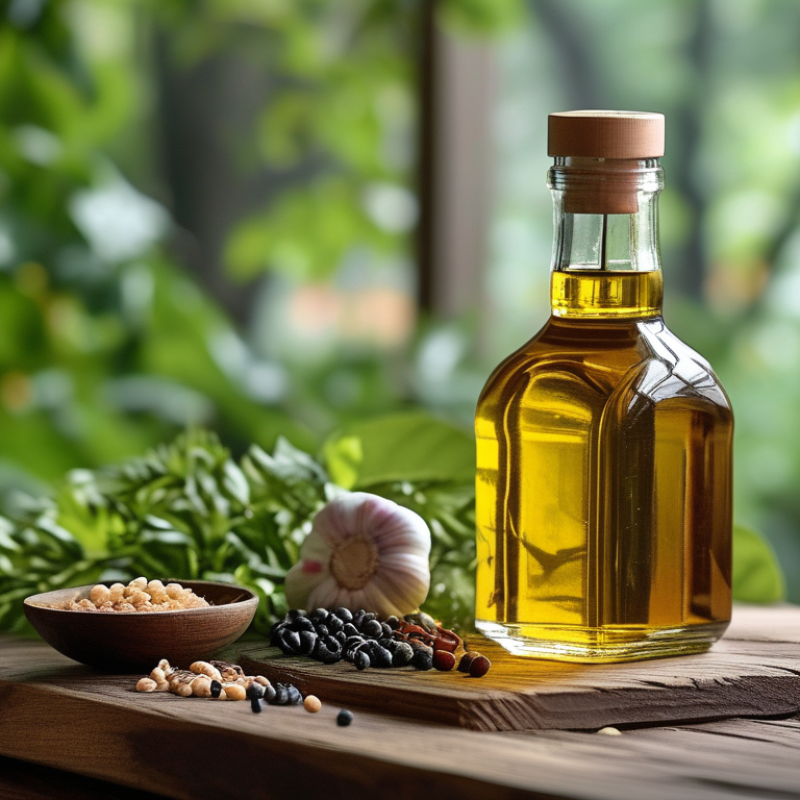
Definition and Characteristics of Gourmet Oil
Gourmet oil is a category of oil celebrated for its rich flavors and high-quality production methods. These oils are typically cold-pressed, ensuring the preservation of aroma and taste. You might find varieties like extra virgin olive oil, avocado oil, and nut oils among the gourmet selections. Each type boasts unique properties that enhance culinary experiences.
When sourcing gourmet oils, look for specific characteristics. A high smoke point indicates suitability for cooking. Additionally, the oil should have a pronounced flavor profile, which can elevate everyday dishes. Pay attention to the color and clarity; quality oils usually appear vibrant and clear. Storage is crucial; they should be kept away from light and heat for longevity.
Tips:
Always read labels carefully. Authentic gourmet oils should list only the oil, without additives. Try blending different oils for unique flavors. Consider buying in smaller quantities to ensure freshness. Opt for oils in dark glass bottles, which help avoid light degradation.
Types of Gourmet Oils and Their Culinary Uses
Gourmet oils come in various types, each offering unique flavors and culinary applications.
Olive oil is among the most revered. According to a report from the
International Olive Council,
olive oil consumption has surged by 20% in the past decade, reflecting its
widespread recognition as a healthful ingredient. It is packed with
monounsaturated fats and antioxidants, making it a staple
in Mediterranean cuisine.
Nut oils, such as walnut and hazelnut,
provide distinct nutty flavors. A study by the American Journal of Clinical Nutrition
highlights the significance of these oils in enriching dishes. They are commonly used in salad dressings and as
finishing oils. However, sourcing high-quality nut oils can be tricky. Many products contain additives or lower-quality
nuts, diluting their authenticity.
Truffle oil, while often debated, remains popular for its aromatic qualities.
Chefs use it to elevate pasta and risottos, adding an earthy nuance. Yet, caution is advised. Not all truffle oils
contain real truffles; many are artificially flavored. This brings a need for careful selection.
Quality assurance is vital for culinary professionals and home cooks alike. By focusing on sourcing
high-quality gourmet oils, one can enhance their culinary repertoire effectively.
Sourcing Gourmet Oil: Global Regions and Suppliers
Sourcing gourmet oil requires understanding global regions renowned for high-quality production. Countries like Italy, France, and Spain are famous for their olive oils, often celebrated for unique flavor profiles. Regions like Tuscany and Provence have distinct terroirs that influence taste. In these areas, centuries-old practices ensure the highest quality oils.
Exploring suppliers involves looking beyond popular names. Smaller, family-owned producers may offer exceptional oils. They often prioritize traditional methods and sustainability. Visiting local markets can reveal hidden gems. Yet, be aware: not all oils labeled as gourmet meet rigorous standards. Some may lack authenticity or quality.
Connecting with reputable distributors is crucial. Research their sourcing practices and traceability. Attend trade shows or food festivals to network with producers directly. This hands-on approach builds relationships and trust. However, it’s important to critically evaluate every claim made by suppliers. Transparency should be a non-negotiable factor in your sourcing strategy.
Quality Assessment: How to Choose the Best Gourmet Oils
When selecting gourmet oil, consider the source and production methods. High-quality oils often come from specific regions known for unique flavors. For instance, Italian olive oils may provide rich, fruity notes, while oils from the Middle East can feature spiciness. Research shows that the global gourmet oil market is projected to reach $3.5 billion by 2025. This highlights the growing consumer interest in high-quality options.
Assessing quality involves more than just taste. Look for color, clarity, and aroma. Darker oils often indicate a higher concentration of antioxidants. According to the International Olive Council, extra virgin olive oil must meet strict standards, including low acidity below 0.8%. This can be an indicator of a superior product. Certifications such as PDO (Protected Designation of Origin) can also signal authenticity.
Expert recommendations stress the importance of reading labels. Check for harvest dates, and ensure the oil is bottled in dark glass. Fresh oils retain better flavors and nutrients. However, not all brands prioritize these aspects. Be wary of flashy packaging. It can often mask inferior quality. Cultivating a discerning palate may require trial and error, but it’s essential for finding truly exceptional gourmet oils.
Trends in Gourmet Oil Production and Sustainable Practices
Gourmet oil has witnessed growing popularity, with more producers seeking sustainable methods. Current trends reflect a shift toward organic farming. This reduces environmental impact and enhances oil quality. Many consumers prefer oils derived from eco-friendly practices. Thus, producers focus on certifications and transparency.
Sourcing gourmet oil globally requires understanding regional specialties. For instance, Mediterranean olive oil offers rich flavors. Alternatively, nut oils from Asia deliver unique complements to dishes. When sourcing, look for small-scale producers who prioritize quality over quantity. They often use traditional methods, nurturing biodiversity.
Tips: Research local farmers' markets. Connect with producers who practice sustainable techniques. Building relationships can lead to better sourcing opportunities. Also, verify certifications to ensure authenticity. Always taste samples before making a purchase; this reveals the oil’s true character. Be mindful of the oil's storage conditions during shipping. Quality matters in gourmet oil.
What is Gourmet Oil and How to Source It Globally? - Trends in Gourmet Oil Production and Sustainable Practices
| Type of Gourmet Oil |
Country of Origin |
Production Method |
Sustainable Practices |
Average Price (per liter) |
| Extra Virgin Olive Oil |
Spain |
Cold-pressed |
Organic farming |
$30 |
| Truffle Oil |
Italy |
Infused |
Sustainable harvesting |
$50 |
| Avocado Oil |
Mexico |
Cold-pressed |
Water conservation methods |
$25 |
| Sesame Oil |
India |
Cold-pressed |
Crop rotation |
$15 |
| Pumpkin Seed Oil |
Austria |
Cold-pressed |
Fair trade practices |
$40 |
Conclusion
Gourmet oil refers to high-quality oils that are often derived from premium ingredients and are used to enhance the flavors of culinary creations. These oils can vary widely, including varieties like truffle oil, infused oils, and nut oils, each offering unique attributes that elevate dishes in both taste and presentation. When sourcing gourmet oil globally, it is essential to consider different regions known for their production, such as Mediterranean countries for olive oil or Southeast Asia for coconut oil, and to connect with reputable suppliers who prioritize quality.
In assessing quality, consumers should look for characteristics such as aroma, flavor intensity, and packaging conditions to ensure they are choosing the best gourmet oils available. Moreover, the culinary landscape is seeing exciting trends in gourmet oil production, with an increasing emphasis on sustainable practices and organic sourcing. Understanding these elements can significantly enhance one's culinary repertoire and promote a responsible approach to gourmet oil consumption.

 Baking Supplies