What Are Kitchen Utensils and What Are They Used For?

Time:2026-10-09 Author:Charlotte
0%

Kitchen Utensils are the practical tools that help us prepare, cook, serve, and store food. They include familiar items such as spoons, knives, peelers, whisks, tongs, spatulas, and measuring cups. Each tool has a specific purpose, even when several utensils appear similar. A chef’s knife can slice vegetables efficiently, while a paring knife offers better control for small fruits. A wooden spoon stirs sauces gently, and a silicone spatula reaches the corners of a warm pan.

Understanding these tools makes cooking safer, cleaner, and more consistent. For example, measuring cups support accurate ingredients, especially when baking depends on precise ratios. Heat-resistant tongs protect hands from hot oil and roasted vegetables. A stable cutting board can also reduce slipping during preparation. Material matters too. Stainless steel resists odors, silicone protects delicate cookware, and wood feels comfortable during long stirring tasks. However, no utensil is perfect.

Some tools are overused.

A utensil should match both the food and the cooking surface. Using a metal turner on a nonstick pan may create scratches over time. Poor cleaning can leave bacteria in damaged handles or narrow seams. These details are easy to overlook. They deserve attention.

This guide explains what Kitchen Utensils are, how they work, and when to choose them. It also considers practical issues, including comfort, durability, maintenance, and safe handling. The goal is not to collect every gadget available. A small, well-chosen set often supports everyday cooking better than a crowded drawer. Personal habits still matter, and some recommendations may need adjustment for different kitchens, recipes, and experience levels.
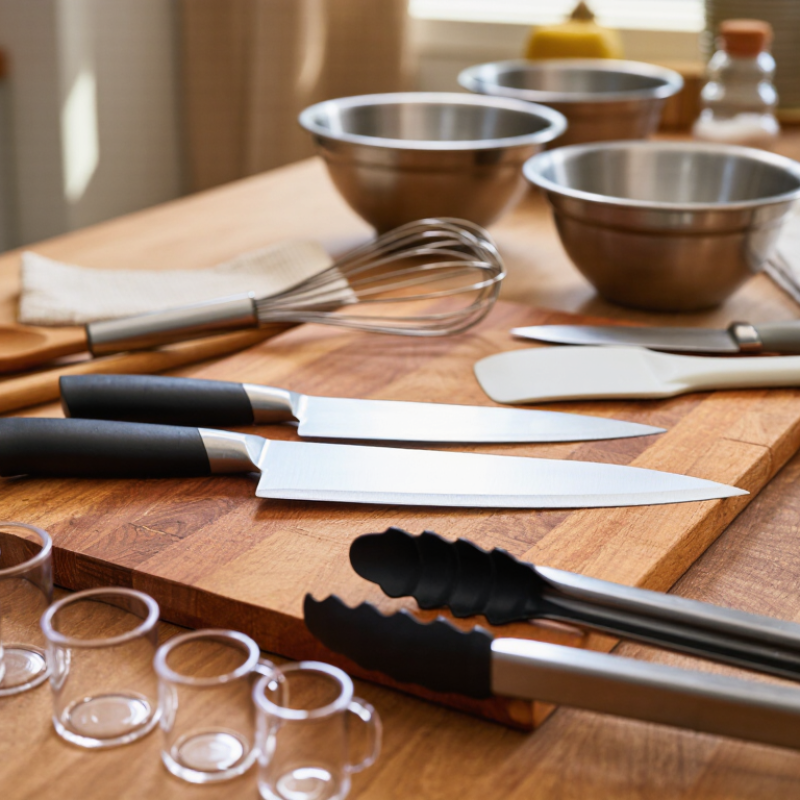
What Are Kitchen Utensils and What Are They Used For?

Definition and Role of Kitchen Utensils

Kitchen utensils are the small tools that help us prepare, cook, serve, and store food. They include knives, peelers, tongs, whisks, spatulas, ladles, and measuring spoons. Their role is practical, not decorative. A sharp knife creates even pieces. A sturdy spatula turns food without tearing it. A whisk blends air into eggs, cream, or batter. These tools extend the cook’s hands and make repeated tasks more controlled. In my experience, the right utensil often matters more than a crowded drawer.

Good utensils also support consistency and hygiene. Measuring tools help reproduce a recipe instead of relying on uncertain guesses. Tongs keep hands away from hot surfaces, while heat-resistant handles reduce burns during ordinary cooking. Separate tools can limit contact between raw ingredients and ready-to-eat food. Clean, undamaged surfaces are easier to inspect and wash. Small cracks matter. They can hold residue and odors. Material choice deserves attention, too. Wood feels comfortable but needs careful drying; metal is durable but may scratch delicate cookware. No utensil is perfect.

Choosing a utensil should match the task, the food, and the cook’s habits. A wide turner suits delicate fish, while a narrow spoon reaches into a small saucepan. Storage matters because damp tools may develop unpleasant smells. I sometimes buy tools for convenience and later discover that they duplicate what I already own. That is a useful mistake. A kitchen works better when each utensil has a clear purpose, feels balanced, and can be cleaned completely. Even an ordinary spoon can become essential when it fits the job.

Main Types of Kitchen Utensils

What Are Kitchen Utensils and What Are They Used For?

Main Types of Kitchen Utensils

Kitchen utensils are handheld tools that help with preparing, cooking, and serving food. Their shapes reflect specific tasks, from slicing vegetables to lifting delicate fish. Cutting utensils include chef’s knives, paring knives, peelers, and kitchen shears. A sharp knife usually offers better control than a dull one, which can slip unexpectedly. I have found that a stable cutting board matters almost as much as the knife itself.

Measuring utensils support consistent recipes. Measuring cups handle liquids or dry ingredients, while measuring spoons suit small amounts of spices, yeast, and extracts. A kitchen scale can improve accuracy when baking. Small differences matter. However, home cooks sometimes measure flour by volume too tightly, creating heavier dough than expected.

Mixing and cooking utensils include whisks, spatulas, wooden spoons, tongs, ladles, and slotted spoons. A whisk adds air to eggs or cream, while a flexible spatula scrapes batter from a bowl. Tongs turn hot food without piercing it. Ladles move soup safely, and slotted spoons drain excess liquid during serving. Heat-resistant materials are important near stovetops, but no utensil is completely maintenance-free. Utensils should be washed according to their material, dried thoroughly, and checked for cracks, loose handles, or worn surfaces. A damaged tool can affect both hygiene and control.

Common Uses in Food Preparation

What Are Kitchen Utensils and What Are They Used For?

Common Uses in Food Preparation

Kitchen utensils are simple tools that make food preparation safer, faster, and more controlled. A chef’s knife chops vegetables, slices meat, and minces herbs. A cutting board protects the work surface and keeps ingredients steady. Measuring cups and spoons help maintain balanced recipes, especially when baking requires accurate amounts.

Mixing bowls hold ingredients during preparation. A whisk combines eggs, sauces, and batters while adding air. A wooden spoon stirs soups without scratching many cooking surfaces. Tongs turn vegetables, pasta, or meat without piercing them. A peeler removes thin skins from potatoes, carrots, and apples. These tools may look ordinary, but their shapes support specific tasks. I still sometimes choose the wrong spoon when cooking quickly. That small mistake can change texture.

Tips: Keep knives sharp and use a stable cutting board. Wash utensils after handling raw meat, eggs, or seafood. Use separate boards when possible to reduce cross-contamination. Measure dry ingredients at eye level, and level them with a straight edge. Let hot utensils cool before washing them. A rushed cleanup can cause burns. Store frequently used tools within easy reach, but keep sharp edges protected.

Utensils for Cooking, Serving, and Eating

What Are Kitchen Utensils and What Are They Used For?

Kitchen utensils are practical tools for cooking, serving, and eating. A chef’s knife cuts vegetables, while a peeler removes thin skins with less waste. Tongs turn hot food safely. A wooden spoon stirs sauces without scratching many cooking surfaces. Measuring cups and spoons also improve consistency, especially when recipes require precise proportions. Small differences can change texture.

Serving utensils move food from cookware to plates. A ladle portions soup, and a slotted spoon drains liquid from vegetables or pasta. A serving fork handles larger pieces, while a spatula lifts delicate foods. Clean utensils matter here. The FDA Food Code 2022 emphasizes protecting food-contact surfaces from contamination during storage and use. I sometimes leave a serving spoon beside the pan, which seems harmless. It is not always a good habit.

Eating utensils complete the process. Forks separate bites, spoons carry liquids, and table knives cut softer foods. Cooking tools also support food safety. The USDA Food Safety and Inspection Service states that poultry should reach 165°F, ground meats 160°F, and whole cuts of beef, pork, lamb, and veal 145°F with a three-minute rest. A food thermometer is more reliable than appearance alone. Utensils cannot replace judgment. They can support it.

What Are Kitchen Utensils and What Are They Used For? — Utensils for Cooking, Serving, and Eating
Utensil Category Primary Use Typical Material Food or Task Examples Important Features Care Considerations
Chef’s Knife Cooking Chopping, slicing, dicing, and mincing ingredients. Stainless steel blade with a wood, plastic, or composite handle. Vegetables, herbs, meat, fish, and fruit. Broad, sharp blade that supports both cutting and rocking motions. Hand-wash and dry promptly; sharpen regularly.
Paring Knife Cooking Peeling, trimming, coring, and making small precision cuts. Stainless steel with a compact handle. Apples, potatoes, garlic, citrus, and small vegetables. Short blade offers control for detailed preparation. Store safely in a block, sheath, or drawer organizer.
Cutting Board Cooking Provides a stable, protective surface for cutting food. Wood, bamboo, plastic, or composite material. Produce, bread, meat, poultry, and fish. Non-slip footing and a surface large enough for safe cutting. Clean after use; use separate boards for raw meat and ready-to-eat foods.
Measuring Cups Cooking Measures larger quantities of dry or liquid ingredients. Plastic, stainless steel, glass, or heat-resistant silicone. Flour, sugar, rice, milk, oil, and water. Dry-cup sets measure by volume; liquid cups usually include a pouring spout. Level dry ingredients for more consistent results.
Measuring Spoons Cooking Measures small amounts of ingredients accurately. Stainless steel or durable plastic. Salt, spices, baking powder, extracts, and sauces. Common sizes include teaspoon and tablespoon measures. Keep the set together and wipe sticky ingredients before washing.
Mixing Bowl Cooking Holds, combines, and prepares ingredients. Stainless steel, glass, ceramic, or plastic. Salad, batter, dough, marinades, and whipped mixtures. A wide rim and stable base make mixing easier. Choose heat-resistant glass or metal for warm ingredients.
Wooden Spoon Cooking Stirs, combines, and scrapes ingredients during cooking. Hardwood such as beech, maple, or bamboo. Soups, stews, sauces, grains, and sautéed vegetables. Gentle on cookware and does not conduct heat quickly. Hand-wash and dry thoroughly; avoid prolonged soaking.
Silicone Spatula Cooking Scrapes bowls, folds mixtures, and spreads ingredients. Food-grade silicone, often with a metal or reinforced core. Cake batter, frosting, sauces, and melted chocolate. Flexible edge reaches corners and is generally heat-resistant. Check the manufacturer’s heat limit and clean thoroughly after oily foods.
Whisk Cooking Blends ingredients and incorporates air. Stainless steel, silicone-coated wire, or plastic. Eggs, cream, vinaigrettes, custards, and pancake batter. Multiple wires help smooth mixtures and create volume. Use a silicone-coated whisk with nonstick cookware.
Kitchen Tongs Cooking Grips, turns, lifts, and serves food. Stainless steel, often with silicone or nylon tips. Vegetables, pasta, meat, bread, and salad. Long handles provide control and keep hands away from heat. Use heat-resistant tips when handling food in hot cookware.
Ladle Cooking & Serving Scoops and transfers liquid or semi-liquid food. Stainless steel, nylon, or heat-resistant silicone. Soup, stew, gravy, punch, and sauce. Deep bowl holds liquids while the long handle improves reach. Avoid scraping the bottom of nonstick cookware with metal models.
Slotted Spoon Cooking & Serving Lifts solid food while allowing liquid or oil to drain away. Stainless steel, nylon, or silicone. Poached eggs, vegetables, dumplings, and fried foods. Slots or perforations separate food from cooking liquid. Choose a heat-resistant model for deep-frying or boiling liquids.
Colander Cooking Drains and rinses food. Stainless steel, plastic, or silicone. Pasta, rice, beans, berries, and leafy greens. Perforated sides and base allow water to flow through. Rinse promptly after starchy foods to help prevent residue buildup.
Vegetable Peeler Cooking Removes thin outer layers from fruits and vegetables. Stainless steel blade with a plastic, wood, or metal handle. Potatoes, carrots, apples, cucumbers, and citrus. Sharp swivel or fixed blade minimizes food waste. Keep the blade dry and replace it if it becomes dull or damaged.
Can Opener Cooking Removes the lids of metal food cans. Stainless steel cutting wheel with a metal or plastic handle. Canned beans, tomatoes, fruit, fish, and vegetables. A secure grip and smooth cutting wheel improve control. Clean and dry the cutting mechanism to reduce corrosion and residue.
Serving Spoon Serving Transfers prepared food from a serving dish to a plate. Stainless steel, wood, nylon, or silicone. Rice, vegetables, casseroles, pasta, and side dishes. Broad bowl carries portions without piercing the food. Use non-scratch materials with delicate or nonstick serving dishes.
Dinner Fork Eating Pierces, lifts, and separates food while eating. Stainless steel or other food-safe metal. Meat, vegetables, pasta, salads, and side dishes. Four tines are commonly used for general table dining. Wash thoroughly, especially between the tines.
Table Knife Eating Cuts and spreads food at the table. Stainless steel blade with a metal, plastic, or composite handle. Cooked vegetables, soft meats, bread, and spreads. Usually has a moderately sharp, non-serrated or lightly serrated edge. Use a separate sharper knife for firm or raw ingredients.
Soup Spoon Eating Carries liquid and soft foods to the mouth. Stainless steel or other food-safe metal. Soup, broth, cereal, pudding, and soft desserts. Deep, rounded bowl helps retain liquid. Clean promptly after dairy-based or starchy foods.
Chopsticks Eating Grips, separates, and lifts bite-sized food. Bamboo, wood, stainless steel, or food-grade plastic. Noodles, rice, vegetables, sushi, and small pieces of meat. Two narrow sticks provide precise control with practice. Wash reusable pairs thoroughly and dry wooden or bamboo pairs well.

Choosing, Using, and Caring for Kitchen Utensils

Choosing the right kitchen utensils begins with the task, not the appearance. A sturdy chef’s knife handles chopping, while a flexible spatula protects delicate food. Choose tools that feel balanced in your hand and match your cooking habits. Stainless steel suits high heat, while wooden tools are gentle on coated cookware. Silicone is useful for scraping bowls and lifting soft foods. Check the handle, edges, and joints before buying. Small cracks can collect moisture and bacteria.

Use each utensil for its intended purpose. A slotted spoon removes food while leaving cooking liquid behind. Tongs provide control when turning vegetables or meat. Measuring spoons improve consistency, especially in baking. Clean utensils soon after use, because dried sauce becomes harder to remove. Wash wooden items by hand and dry them upright. Avoid soaking them for long periods. I still occasionally leave a spoon beside the stove, where heat can damage it. That mistake is easy to prevent.

Tips: Keep frequently used tools near your preparation area. Store sharp edges safely and inspect them regularly. Replace utensils with deep scratches, loose handles, or warped surfaces. Never assume “dishwasher-safe” means completely maintenance-free. Some tools survive repeated washing, but others lose their finish or shape. A quick hand wash often gives better control. Also, avoid overcrowding drawers; clean storage helps you notice damage early.

FAQS

What are kitchen utensils used for?

They help prepare, cook, serve, and eat food safely. Each tool supports a specific task.

Which utensils help with food preparation?

A chef’s knife chops ingredients, while a cutting board keeps them steady. Measuring cups improve recipe accuracy.

How can I choose suitable kitchen utensils?

Choose tools based on the task and your cooking habits. Check handles, edges, and joints for cracks.

Which materials work well for different cooking tasks?

Stainless steel handles high heat. Wooden tools are gentler on coated cookware. Silicone scrapes bowls cleanly.

How do serving utensils improve meals?

A ladle portions soup, while a slotted spoon drains liquid. Tongs move hot food without piercing it.

How should kitchen utensils be cleaned?

Wash tools soon after use, especially after raw meat, eggs, or seafood. Dry wooden utensils upright.

What habits reduce food contamination?

Use separate cutting boards when possible. Keep food-contact surfaces clean. Store utensils away from raw ingredients.

How can I use utensils more safely?

Keep knives sharp and protect their edges. Let hot utensils cool before washing them. A rushed cleanup can cause burns.

When should kitchen utensils be replaced?

Replace tools with deep scratches, loose handles, or warped surfaces. Small cracks can hold moisture and bacteria.

Can utensils guarantee safe cooking?

No. A thermometer gives better evidence than appearance. I sometimes rely on appearance, and that can be a poor judgment.

Conclusion

Kitchen Utensils are essential tools used to prepare, cook, serve, and eat food. They include items such as knives, cutting boards, mixing bowls, spoons, spatulas, whisks, tongs, peelers, and ladles. Each utensil has a specific role, from chopping and measuring ingredients to stirring, turning, draining, and serving finished dishes. Together, they make food preparation more organized, efficient, and enjoyable.

Choosing the right utensils depends on the cooking task, material, comfort, durability, and ease of cleaning. Safe and proper use can improve control and reduce accidents in the kitchen, while regular washing, drying, and careful storage help maintain their condition. By understanding the different types and purposes of Kitchen Utensils, cooks can work more confidently and create meals with greater convenience and precision.

Charlotte

Charlotte

Charlotte is a seasoned marketing professional with a deep understanding of the company's portfolio and a passion for elevating its presence in the market. With a keen eye for detail and a commitment to excellence, she ensures that our professional blog is regularly updated with insightful articles......