How to Source Beverage Ingredients in 2026?

Time:2026-09-29 Author:Mason
0%

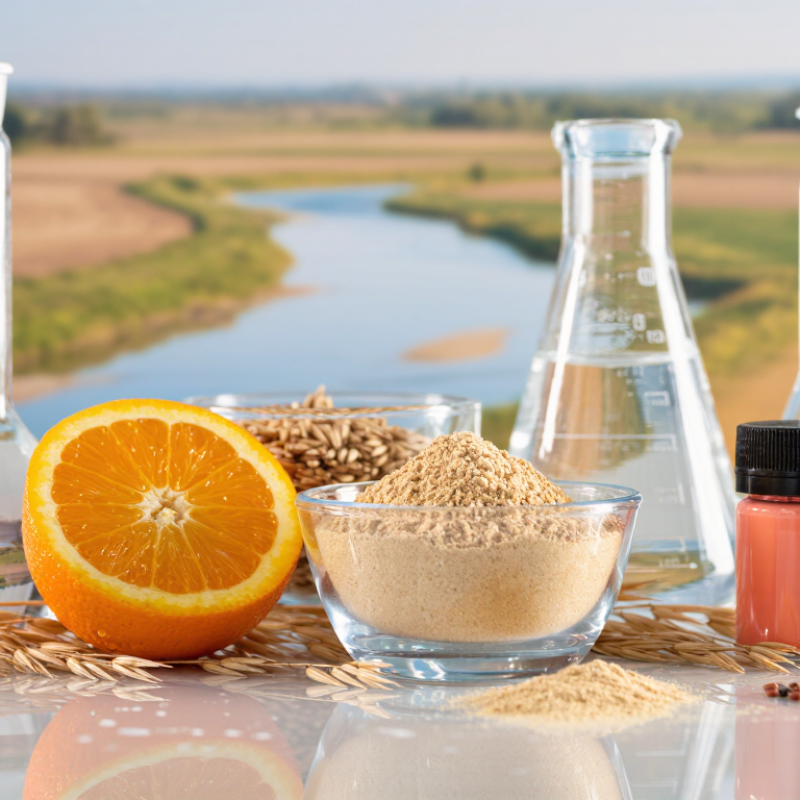
In 2026, sourcing Beverage Ingredients is no longer just a price comparison. A citrus aroma, oat protein, or natural color can depend on harvest conditions, water access, processing capacity, and clear documentation. The supply risks are measurable. UN-Water reports that agriculture accounts for about 72% of global freshwater withdrawals. FAO’s SDG 12.3.1 data report that 13.2% of food was lost between harvest and retail in 2021. These figures are global context, not beverage-specific forecasts. Still, they point to pressures buyers should investigate.

FAO Director-General Qu Dongyu’s World Food Day message put the resource issue plainly: “Water is life, water is food. Leave no one behind.” His words are not a sourcing checklist, but they underline why origin and production practices matter. Buyers can ask suppliers for traceability records, ingredient specifications, quality testing, and evidence of supply continuity. They should also check how far a backup source differs in taste, function, or processing requirements. A second supplier is not automatically a usable substitute.

This guide examines practical ways to compare suppliers, assess ingredient risks, and build sourcing plans for 2026. It considers cost alongside consistency, transparency, and resilience. Small details count: a changed harvest region, a delayed sample, or an incomplete certificate can alter a launch timeline. No sourcing plan removes uncertainty. Some gaps will remain, and they deserve scrutiny rather than optimistic assumptions. The goal is a better-informed decision, not a perfect supply chain.
How to Source Beverage Ingredients in 2026?

Define 2026 Ingredient Needs with Brix, pH, Moisture, and Yield Targets

In 2026, beverage ingredient sourcing should begin with measurable targets, not vague promises. Define a target Brix range for sweetness and soluble solids in the finished drink. A practical specification might require 10.5–11.0 °Bx after blending. Keep it realistic. Brix can shift with temperature, dilution, and fruit variability. Record the testing temperature and method in every purchase specification. Ask suppliers for recent certificates of analysis, then verify selected lots independently.

pH deserves equal attention because it affects flavor, preservation, and process stability. Set an operating range, such as pH 3.2–3.6, based on the formulation and validated process. Do not copy a generic number. Measure samples after equilibration, using a calibrated meter and fresh buffer solutions. Moisture targets matter for powders, concentrates, and dried botanicals. A powder may need moisture below 5%, while excessive dryness can damage texture or increase dust. Specify water activity when shelf stability depends on it.

Yield targets turn ingredient pricing into a useful production calculation. Estimate liters produced per kilogram, including trimming, filtration, evaporation, and normal processing loss. For example, a concentrate promising 85% usable yield may deliver less in a pilot run. Run three batches before approving long-term volume. Keep the failed batch in the record; it may reveal settling or inconsistent extraction. Supplier audits should review traceability, storage temperature, testing frequency, and corrective actions. I would also revisit every target after seasonal raw-material changes, because a clean spreadsheet can still hide an unstable ingredient.

How to Source Beverage Ingredients in 2026?

Define ingredient needs with measurable Brix, pH, moisture, and yield targets.

The bars show indicative soluble-solids ranges in degrees Brix for common juice ingredients; they are not regulatory limits or universal purchase specifications. Set pH, moisture, and processing-yield requirements separately for the ingredient form and process, then confirm all targets with supplier documentation and incoming-lot testing.

Apply Codex HACCP’s 7 Principles to Ingredient and Supplier Risk

How to Source Beverage Ingredients in 2026?
Apply Codex HACCP’s 7 Principles to Ingredient and Supplier Risk

A reliable sourcing plan starts with hazards, not supplier promises. Map each ingredient from origin to receiving, then consider biological, chemical, and physical risks. For fruit purée, review processing controls, temperature requirements, and possible foreign material. For botanical extracts, check specifications and evidence supporting identity and purity. The relevant hazards depend on the ingredient and how your beverage is made.

Use the seven Codex HACCP principles as a practical framework. Analyze hazards, identify any critical control points, and set measurable limits where controls are essential. Decide how staff will monitor them, such as recording chilled deliveries against an approved temperature range. Define corrective actions for missed limits, including holding affected stock for assessment. Small details matter. Verification can include reviewing test results, audit findings, and delivery records. Keep evidence.

Supplier qualification should match the risk. Request current specifications, traceability information, and documented change notifications. Check whether certificates cover the actual ingredient and production site, rather than assuming they do. Reassess suppliers when a process, origin, or formulation changes. These steps support decisions; they do not replace competent food-safety review or local requirements. A spreadsheet can help, but it can also hide gaps. I would periodically test the process with a real lot: can the team trace it, assess the hazard, and show what happened when a result fell outside specification?

Screen Suppliers Under ISO 22000:2018 and FDA 21 CFR Part 117

A certificate is a starting point, not proof that every ingredient is controlled. Check that an ISO 22000:2018 certificate is current and covers the actual manufacturing site and product category. Ask for its scope, issuing body, and most recent audit findings. Then compare the supplier’s food safety plan with the ingredients you intend to buy. A powder stored in a humid warehouse may present different risks from a sealed liquid concentrate. Details matter.

For suppliers serving the United States, review how they address applicable requirements in FDA 21 CFR Part 117. Request evidence of current good manufacturing practices, hazard analysis, and preventive controls where required. If a supply-chain program applies, examine how the supplier qualifies and monitors upstream sources. Ask to see lot traceability records, allergen controls, sanitation logs, and a mock recall result. Can the supplier trace one lot promptly? Good question. During an audit, follow a specific ingredient from incoming inspection through storage and shipment. Records should match the product and site, not just look polished. I once overlooked an outdated specification; it was a small gap, but worth questioning. Be candid about uncertainty, document corrective actions, and verify that changes are closed before approval.

Verify EU’s 14 Allergens, COAs, Traceability, and Batch Test Results

How to Source Beverage Ingredients in 2026?

Sourcing starts with a clear ingredient specification, not a polished sales sheet. For each ingredient, request a current certificate of analysis (COA) and check that its lot number matches the shipment documents. Review the actual batch test results, including methods, dates, units, and acceptance limits. A result without context is hard to assess. Confirm that testing covers risks relevant to the ingredient, such as microbial quality or contaminants, rather than assuming one standard panel fits everything.

Verify allergen information against the EU’s 14 regulated allergens, including cereals containing gluten, milk, soybeans, and nuts. Ask suppliers to disclose allergens in the ingredient and potential cross-contact at the production site.

Then connect each delivery to its source, processing site, lot, and test records. A neat spreadsheet can still hide gaps; traceability works only when records agree. Keep an eye on updated specifications and applicable EU requirements, and seek qualified regulatory advice when a product’s status is unclear.

Tips: Compare the COA lot number with the label on a retained sample. Request a traceability exercise using one real batch, and note how quickly the supplier can provide supporting records. Save dated versions of specifications; old files can quietly outlive a formula change. If a result looks unusual, pause and ask for clarification before approving the lot. It may feel slower, but a rushed sign-off is difficult to undo.

Compare Landed Cost per Kilogram, MOQ, Lead Time, and 3–5% Waste

When sourcing beverage ingredients in 2026, compare landed cost per usable kilogram, not just the supplier’s quoted price. Include freight, insurance, duties, handling, and any required testing. A low quote can still be expensive. Ask suppliers to state pack size, minimum order quantity, and price breaks in writing. Then compare offers using the same delivery terms and currency. Otherwise, the spreadsheet may look precise while comparing different costs.

Build a 3–5% waste allowance into your usable-cost estimate for spills, transfer loss, or batches that miss specification. If a recipe needs 100 kilograms of usable ingredient, plan for roughly 103–105 kilograms, then adjust using your own production records. Check whether the MOQ leaves you holding more stock than your forecast can use before its quality window closes. Lead time matters, too: include production, transit, customs clearance, and receiving checks. Shorter is not always safer. A late shipment can disrupt a run, but ordering too early ties up cash. Keep a small buffer where possible, and revisit assumptions after each order. Some estimates will be wrong; that is useful data.

FAQS

How should beverage makers assess ingredient risks?

Map each ingredient from its origin to receiving. Consider biological, chemical, and physical hazards. Risks vary by ingredient.

What details matter when reviewing fruit purée?

Check processing controls, temperature needs, and possible foreign material. A chilled delivery record can reveal a missed temperature limit.

What should suppliers provide during qualification?

Request current specifications, traceability details, and written change notifications. Confirm documents match the actual ingredient and production site.

How can a supplier certificate be checked?

Check that it is current and covers the relevant site and product category. Ask for its scope and recent audit findings. A certificate alone is not enough.

What records help verify supplier controls?

Review lot traceability, allergen controls, sanitation logs, and mock recall results. Records should match the product, not just look polished.

What should staff do when a delivery misses its temperature limit?

Hold the affected stock for assessment and document the corrective action. Do not assume the lot is acceptable. Check the evidence.

How can a team test its traceability process?

Select a real lot and trace it from incoming inspection through storage and shipment. Note any missing records. Small gaps matter.

When should supplier approval be reassessed?

Reassess after changes to the process, ingredient origin, or formulation. A spreadsheet may help, but it can hide gaps. I would check the process again.

Conclusion

Sourcing Beverage Ingredients in 2026 starts with clear product specifications. Set measurable targets for Brix, pH, moisture, and usable yield so suppliers can be assessed against consistent requirements. Then apply the seven HACCP principles to identify and manage risks tied to ingredients, handling, storage, and supplier performance. A documented risk-based approach helps teams focus verification efforts where they matter most.

Screen potential suppliers for food-safety systems aligned with ISO 22000:2018 and applicable requirements under FDA 21 CFR Part 117. Confirm allergen controls, including accurate information on the EU’s 14 listed allergens where relevant, and review certificates of analysis, traceability records, and batch test results. Finally, compare the full landed cost per kilogram alongside minimum order quantities and lead times. Include an expected 3–5% allowance for processing or handling waste to make cost comparisons more realistic and support dependable purchasing decisions.

Mason

Mason

Mason is a seasoned marketing professional with a deep expertise in the company's offerings and a passion for driving brand awareness. With a strong background in digital marketing strategies, he has an innate ability to connect with diverse audiences and effectively communicate product benefits.......