China’s Snack Foods industry has moved beyond low-cost production. It now combines advanced processing, flexible packaging, regional flavors, and increasingly careful quality management. For global buyers, the challenge is not finding suppliers. It is finding the right supplier.
This guide introduces China’s top 10 Snack Foods suppliers for international purchasing teams. It considers product range, export experience, production capacity, certifications, packaging options, and communication reliability. Buyers may compare roasted seeds, potato snacks, rice crackers, dried fruit, nuts, confectionery, and private-label products. Factory audits still matter. Documents alone cannot show how a line handles allergens, moisture, or inconsistent raw materials.
Dr. Kantha Shelke, a food scientist and principal at Corvus Blue LLC, has said, “Snacks are not just about indulgence; they are about convenience, nutrition, and enjoyment.” Her observation reflects the market’s changing expectations. Buyers now seek products that travel well, taste consistent, and fit local consumer habits.
Details matter. A crisp snack should remain crisp after weeks in transit. A colorful package should still meet destination-market labeling rules. Supplier rankings can guide decisions, but they cannot replace verification. This is where the list becomes imperfect. Production claims may change, and factory strengths differ by product category. Some suppliers excel at volume, while others perform better with small customized orders.
The following companies are evaluated as practical sourcing options, not automatic winners. Global buyers should request samples, confirm certifications, review test reports, and discuss minimum order quantities before signing contracts. Reliability grows through evidence, not promises.
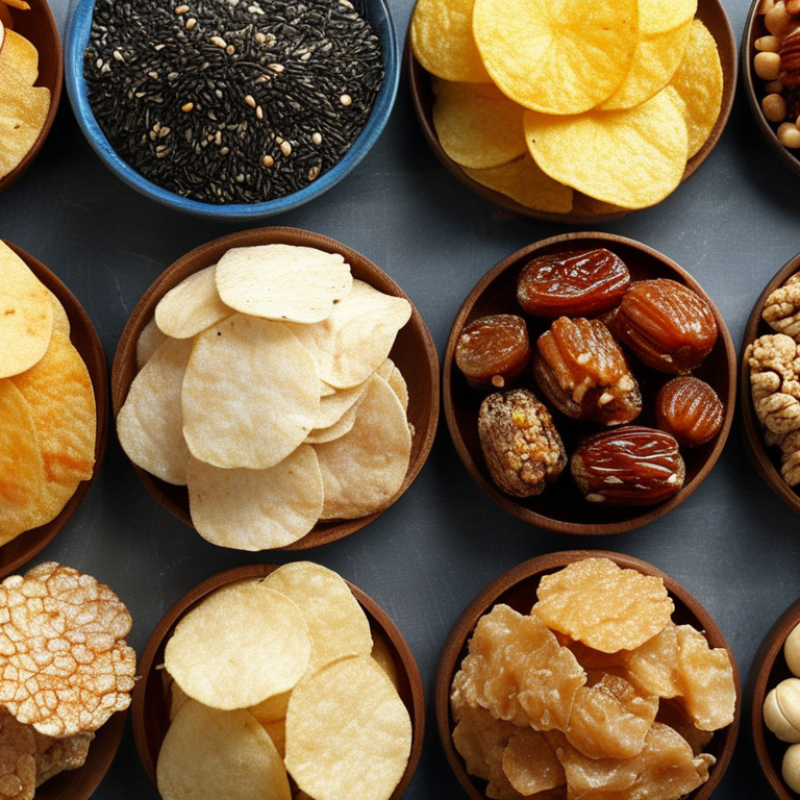
China’s snack food supplier landscape is broad, practical, and more varied than a simple top-ten list suggests. Global buyers can find manufacturers for roasted nuts, dried fruit, baked snacks, rice products, confectionery, and better-for-you formats. Many operate near ingredient-growing regions or established food-processing clusters. This can shorten inbound transport and improve production coordination. It does not guarantee quality. Site visits, production records, and current test reports still matter.
Reliable evaluation starts with product fit. Ask about ingredient sourcing, allergen controls, batch traceability, shelf-life testing, and packaging performance. A capable supplier should explain moisture targets, texture controls, storage conditions, and minimum order quantities clearly. Review food-safety certifications through issuing bodies, not only emailed copies.
Request samples from regular production, because a specially prepared sample may hide factory limitations. Check whether the supplier supports private-label artwork, multilingual labels, export cartons, and temperature-sensitive shipping when relevant. Small details become expensive at scale.
Price comparisons need a wider lens. Include tooling, laboratory testing, packaging changes, inland freight, inspection, and possible delays.
Communication also reveals operating maturity. Fast replies help, but precise replies matter more. Some suppliers promise flexible customization before confirming equipment capacity. That deserves a second question.
Buyers should record corrective actions and agree on measurable acceptance standards before signing purchase terms. A supplier may look impressive online yet struggle with consistent color, broken pieces, or late documents. That is not always a failure, but it is a warning to investigate.
Long-term cooperation grows from evidence, transparent limits, and repeated performance—not attractive claims alone.
When evaluating China’s snack food suppliers, begin with product consistency, not attractive catalogs. A polished website proves little. Ask for factory licenses, export experience, food safety certifications, and recent third-party laboratory reports. Verify whether testing covers allergens, microbial limits, additives, heavy metals, and pesticide residues. Requirements vary by destination market.
Request samples from different production batches. Compare texture, flavor, weight, oil levels, and packaging seals. Check the production date and remaining shelf life. Short shelf life can create expensive problems during ocean shipping. Ask for a clear ingredient list and allergen-control procedure. The supplier should explain how raw materials are approved and traced.
Factory communication matters too. Can the team answer technical questions directly? Do they provide batch records, carton dimensions, pallet plans, and realistic lead times? Confirm minimum order quantities and sample costs in writing. A remote factory audit or independent inspection can reveal storage conditions that photographs hide. I once trusted a detailed product sheet and overlooked weak carton protection. Several sample boxes arrived crushed. That mistake changed my evaluation process. Reliable suppliers welcome reasonable checks, but even good suppliers may have incomplete documents. Treat gaps as questions, not automatic rejection. Keep written records, test samples independently, and review compliance before signing a purchase agreement.
China Top 10 Snack Foods Suppliers for Global Buyers
Top 10 China Snack Food Suppliers by Product Strengths
China’s snack industry is broad, but supplier strengths differ sharply. Mordor Intelligence estimates the Asia-Pacific snack market will maintain steady growth through 2029, supported by convenient, portion-sized products. The strongest Chinese suppliers usually specialize in one clear area: roasted nuts, dried fruit, rice crackers, biscuits, puffed snacks, confectionery, seaweed products, or private-label assortments.
Roasted nut suppliers often provide strong seasoning control, automated sorting, and bulk packing. Dried-fruit producers compete through moisture management, color retention, and sulfur-free options where regulations permit. Rice-cracker and puffed-snack factories are better suited to crisp textures and high-volume production. Biscuit suppliers usually offer flexible shapes, fillings, and multilayer packaging. The USDA Foreign Agricultural Service’s 2024 China Retail Foods Annual Report highlights China’s expanding modern retail and e-commerce channels, which favor stable shelf life and reliable packaging.
For global buyers, product strength must include factory discipline. Look for HACCP-based systems, ISO 22000, BRCGS certification, allergen controls, and recent laboratory records. The Global Food Safety Initiative reports that recognized certification helps standardize supplier audits, but it does not replace buyer verification. Request batch samples, metal-detection records, nutrition data, and packaging drop tests. A low price may hide weaker consistency. The ranking is not fixed. A supplier may excel at peanuts yet struggle with chocolate coating, lead times, or export documentation. Small details matter.
This category-level benchmark compares China’s major snack-food product strengths for global buyers. Scores are based on export suitability, shelf stability, manufacturing maturity, product variety, and international market adaptability. The index is illustrative and does not represent sales data from any individual company or brand.
China Top 10 Snack Foods Suppliers for Global Buyers
Quality, Certification, and Export Compliance Standards
Reliable snack suppliers should provide more than attractive samples and competitive prices. Buyers need clear evidence of food safety controls, stable production, and export experience. Useful certifications may include HACCP, ISO 22000, and recognized food safety schemes. However, a certificate alone cannot prove daily performance.
Request recent audit reports, product specifications, allergen statements, and certificates of analysis. These documents should cover microbiological limits, moisture, additives, pesticides, and heavy metals where applicable. Batch codes must connect finished products with ingredients and production records. Good traceability should work within hours, not several days.
Label review is equally important. Suppliers should check ingredient names, allergen declarations, nutrition panels, shelf-life dates, and country-specific language requirements. Packaging must protect snacks from humidity, heat, and crushing during long-distance shipping. Export documents should match the shipment precisely, including quantities, origin details, and product descriptions.
Small gaps matter.
A supplier may pass an audit yet struggle with seasonal quality changes. Some test reports are valid only for one batch, not every future shipment. Buyers should conduct factory visits, sample verification, and independent testing before placing large orders. I would also keep a written corrective-action plan, because even experienced suppliers can overlook a labeling update or packaging weakness. Reliability grows through repeated checks, honest communication, and measurable improvement.
Anonymized supplier comparison matrix for buyer due diligence. Supplier identities and brand information are intentionally omitted.
| Profile | Primary Snack Categories | Common Export Formats | Food-Safety Systems to Verify | Product Testing & Quality Records | Export Compliance Documents | Allergen & Label Controls | Typical Shelf-Life Range | Buyer Verification Priority |
|---|---|---|---|---|---|---|---|---|
| Profile 01 | Roasted nuts, nut mixes, seed snacks | Retail pouches, jars, bulk cartons | HACCP; ISO 22000 or equivalent; third-party audit preferred | Aflatoxin, moisture, peroxide value, microbiology, metal detection | Commercial invoice, packing list, certificate of origin, health certificate where required | Peanut and tree-nut declarations; lot coding; destination-market nutrition panel | 6–12 months, depending on roasting and packaging | High — verify allergen segregation and aflatoxin controls |
| Profile 02 | Dried fruit, fruit chips, fruit-based snacks | Stand-up pouches, resealable bags, food-service packs | HACCP; ISO 22000; BRCGS or IFS certification should be confirmed | Moisture, water activity, pesticide residues, sulfites, microbiology | Invoice, packing list, origin documentation, phytosanitary documents when applicable | Sulfite declaration where used; added-sugar and preservative disclosure | 9–18 months, depending on water activity and packaging barrier | High — verify pesticide and sulfite compliance |
| Profile 03 | Rice crackers, puffed grains, cereal snacks | Printed pouches, multipacks, private-label cartons | HACCP; ISO 22000; documented preventive-control plan | Moisture, water activity, microbiology, foreign-material controls | Commercial documents, lot traceability records, certificate of analysis by batch | Gluten, soy, sesame and dairy cross-contact assessment; nutrition facts | 6–12 months | Medium–High — verify allergen zoning and breakage rate |
| Profile 04 | Potato chips, vegetable chips, extruded snacks | Metalized film bags, nitrogen-flushed pouches, bulk cases | HACCP; ISO 22000; validated frying and foreign-body controls | Acrylamide monitoring, peroxide value, moisture, oil quality, microbiology | Invoice, packing list, origin certificate, product specification, batch COA | Oil allergen declaration; trans-fat and nutrition labeling; flavor additive review | 6–9 months | High — verify oil management and acrylamide controls |
| Profile 05 | Confectionery, gummies, hard candy, jelly snacks | Individual wraps, bags, display boxes, bulk cartons | HACCP; ISO 22000; sanitation and foreign-material program | Microbiology, color additives, heavy metals where relevant, texture and water activity | Invoice, packing list, ingredient specification, COA, origin documentation | Gelatin source, artificial colors, sugar and allergen labeling must match destination rules | 12–24 months | High — verify additives and ingredient legality by market |
| Profile 06 | Biscuits, cookies, wafer snacks | Flow-wrap packs, trays, cartons, food-service boxes | HACCP; ISO 22000; third-party certification recommended | Moisture, water activity, microbiology, rancidity, breakage and seal integrity | Commercial invoice, packing list, ingredient specification, COA, traceability records | Wheat, egg, milk, soy and nuts; nutrition and trans-fat requirements | 9–18 months | Medium–High — verify allergen controls and packaging integrity |
| Profile 07 | Spicy snacks, seasoned legumes, broad-bean snacks | Retail pouches, sachets, club-size bags, bulk cartons | HACCP; ISO 22000; spice and allergen supplier approval program | Microbiology, pesticide residues, mycotoxins, sodium, moisture and oil quality | Invoice, packing list, COA, origin certificate, ingredient and additive specifications | Soy, wheat, sesame and mustard risk; permitted colors and flavor enhancers | 6–12 months | High — verify spice testing and additive compliance |
| Profile 08 | Seaweed snacks, seafood-flavored snacks | Small pouches, multipacks, moisture-barrier cartons | HACCP; ISO 22000; marine-ingredient traceability controls | Iodine, heavy metals, microbiology, moisture, pesticide residues and authenticity checks | Invoice, packing list, COA, origin documents, health or sanitary certificate if requested | Fish, shellfish, soy and sesame declarations; iodine and sodium labeling review | 9–18 months | High — verify heavy-metal and marine-source controls |
| Profile 09 | Protein snacks, granola, energy and nutrition bars | Flow-wrap bars, boxes, multipacks, bulk food-service cases | HACCP; ISO 22000; validated control of low-moisture ingredients | Protein verification, moisture, water activity, microbiology, allergens and shelf-life study | Invoice, packing list, product specification, COA, nutrition and claims substantiation | Milk, soy, peanuts, tree nuts and gluten; sports or health claims require market review | 6–12 months | High — verify claims, allergens and protein accuracy |
| Profile 10 | Traditional baked or fried regional snacks | Retail pouches, gift boxes, bulk cartons, mixed assortments | HACCP; ISO 22000; export-market audit and documented traceability preferred | Microbiology, moisture, peroxide value, pesticide residues and packaging seal tests | Commercial invoice, packing list, certificate of origin, COA, traceability and recall procedure | Recipe-specific allergen review; additive, nutrition and translation checks | 6–12 months | High — verify process consistency and destination-market labeling |
Global buyers often compare China’s top ten snack food suppliers by more than catalog size. A practical shortlist begins with verified factory records, food-safety certificates, export history, and stable production capacity. Ask for recent audit reports, ingredient specifications, allergen controls, and batch traceability documents. Samples should match the proposed commercial formula, not a cheaper trial version. That detail matters.
Pricing should include more than the unit quotation. Check minimum order quantities, packaging costs, tooling fees, inspection charges, and payment terms. Request prices under the same Incoterm, such as FOB or CIF, to avoid misleading comparisons. A low quote can hide thin packaging or unstable raw-material quality. Negotiate carefully, but do not force a price that weakens food safety. Keep records.
Logistics planning should begin before the purchase order. Confirm production lead time, carton dimensions, pallet patterns, container loading, and expected port congestion. Dry snacks still need protection from heat and moisture during transit. Check remaining shelf life at shipment, not only at production. Labels may require different languages, nutrition panels, allergen statements, and importer details in each destination market. Customs documents must match the actual ingredients and quantities. Build in slack. Delays happen. One weakness in this process is relying too heavily on supplier promises; independent inspections and pre-shipment photos provide stronger evidence, although they cannot replace local regulatory advice.
: Request factory licenses, export records, food safety certificates, and recent laboratory reports. A polished website proves little.
Check allergens, microbial limits, additives, heavy metals, and pesticide residues. Requirements differ by destination market.
Compare texture, flavor, weight, oil levels, and package seals. One batch can look perfect. The next may differ.
Check production dates and remaining shelf life. Short shelf life may create problems during ocean shipping.
Ask for ingredient lists, batch records, and raw-material approval procedures. Batch codes should connect products with ingredients and production records.
Request carton dimensions, pallet plans, and packaging drop-test results. Inspect protection against humidity, heat, and crushing.
No. Certifications support evaluation but cannot prove daily consistency. Use factory audits, sample checks, and independent testing too.
Review ingredient names, allergens, nutrition panels, dates, and local language requirements. Shipment documents must match quantities, origin, and product descriptions.
Treat missing information as a question, not automatic rejection. Ask for clarification in writing. Keep records.
I once trusted a detailed product sheet and missed weak carton protection. Several sample boxes arrived crushed. That changed my process.
China’s snack food industry offers global buyers a broad and flexible sourcing base, covering products such as baked snacks, nuts, dried fruits, confectionery, savory treats, and healthier alternatives. This overview explains how to assess China’s Snack Foods suppliers by reviewing product consistency, manufacturing capacity, food safety systems, customization capabilities, communication, and export experience. It also compares leading supplier types according to their product strengths, helping importers match their requirements with suitable production partners.
The article further highlights the importance of quality control, traceability, internationally recognized certifications, accurate labeling, and compliance with destination-market regulations. Buyers will also find practical guidance on pricing, minimum order quantities, packaging development, payment terms, shipping methods, lead times, and logistics planning. By combining supplier verification with clear specifications, product testing, and careful cost analysis, importers can reduce sourcing risks, improve purchasing efficiency, and build reliable long-term cooperation with qualified Chinese manufacturers.

Baking Supplies