Choosing the right flour types is essential for successful baking. Each type of flour has unique properties that influence texture and flavor. According to a report by the Grain Foods Foundation, using the correct flour can make a significant difference in the quality of baked goods. "Understanding flour types is crucial for any baker," says renowned baking expert Dr. Emily Baker, highlighting the importance of selecting flour wisely.
Different flour types offer various protein levels and gluten contents, affecting how dough behaves. For instance, all-purpose flour is versatile, while bread flour contains more protein, ideal for yeasting. Pastry flour's lower protein content makes it perfect for tender pastries. This variety can make decisions challenging. Many bakers might experience confusion when faced with so many options.
As baking continues evolving, awareness of flour types becomes vital. From artisanal bread to delicate pastries, knowing how each type interacts with other ingredients shapes success in the kitchen. Exploring these flour types has become a journey, urging bakers to reflect on their choices and outcomes.
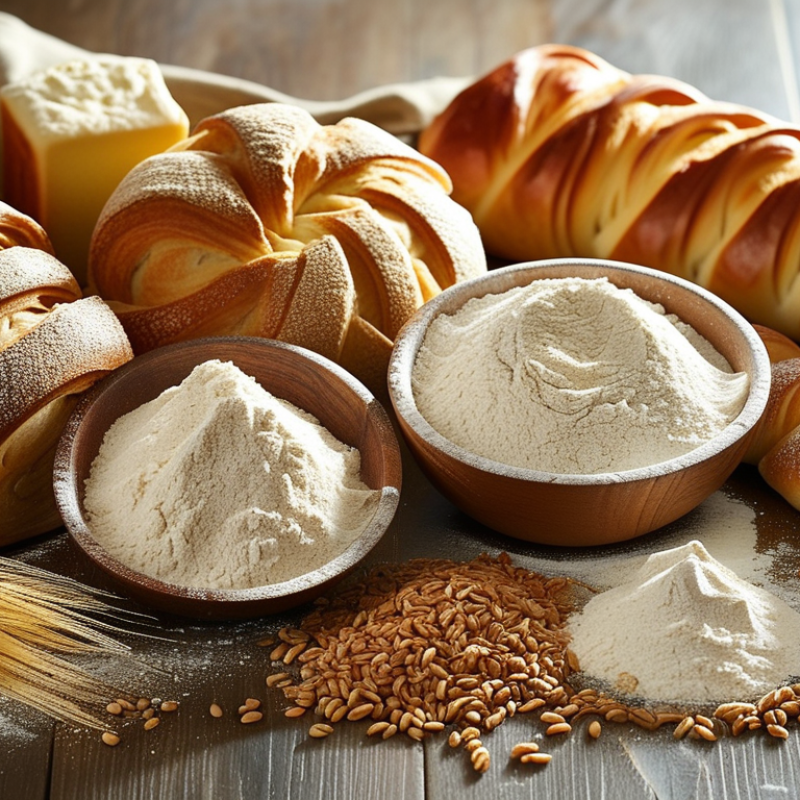
Understanding Different Types of Flour and Their Properties
When it comes to baking, choosing the right flour is essential. Each flour type brings unique properties that can significantly affect your baked goods. All-purpose flour is versatile and widely used, great for cookies and pancakes. It has moderate protein content, which provides a decent rise and texture. Bread flour, on the other hand, is higher in protein, resulting in chewier bread. It’s ideal for artisanal loaves and pizza dough.
Cake flour is soft and finely milled, perfect for tender cakes. Its low protein content inhibits gluten development. This results in a light, airy texture in cakes. Pastry flour strikes a balance, making it suitable for pie crusts and pastries. Its moderate protein allows for a flakier texture without being too tough.
Tips: When using bread flour, be mindful of hydration. You may need to adjust liquid amounts. For cake flour, ensure a light hand when mixing to avoid dense cakes. Experimentation is key; not every recipe will turn out perfect. Reflect on what works and what doesn’t. Baking is a learning process, and each bake presents an opportunity to improve.
Top 5 Flour Types for Your Baking Needs
All-Purpose Flour: Versatility in Baking
All-purpose flour is a staple in many kitchens. It offers flexibility, making it suitable for a variety of recipes. You can use it for cookies, cakes, and even bread. This flour has an average protein content, usually around 10-12%. This balance helps in developing gluten, providing structure without being too tough.
When using all-purpose flour, be mindful of your measurements. Too much flour can lead to dry baked goods. Different humidity levels can also affect the outcome. It’s essential to scoop gently and level off your measuring cup. This ensures accuracy. Remember, every oven behaves uniquely, so watch your baking closely.
Using all-purpose flour means you have room to experiment. You might tweak recipes as you gain experience. In some cases, you may want a denser cookie or a fluffier cake. Adjusting flour ratios can help achieve your desired texture. Don't hesitate to make notes on your successes and failures. Each bake is a learning opportunity.
Bread Flour: Strength and Structure for Yeast Breads
Bread flour stands out as the go-to choice for yeast breads. Its high protein content, typically around 12-14%, is a key factor. This protein helps create gluten, essential for the dough’s strength and elasticity. When you knead bread dough, this gluten develops, giving your bread a chewy texture that many love.
Adding water activates the protein, transforming it into gluten. The right hydration is crucial. Too much water can make the dough sticky and hard to manage, while too little can lead to a dry loaf. Consider adjusting the water based on your flour type and humidity levels in your kitchen. Experimentation often leads to the best results.
**Tips:** Use a scale for accuracy when measuring flour. It ensures consistency across different baking sessions. Additionally, allow your dough adequate time to rise. A longer rise often results in more flavor and better texture. Don't be afraid to trust your instincts; baking is as much about art as it is about science. If a batch doesn’t turn out perfectly, take notes for next time. Each loaf is a learning opportunity.
Cake Flour: Fine Texture for Light and Fluffy Cakes
Cake flour is a crucial ingredient for achieving light and fluffy cakes. Its fine texture comes from a lower protein content, typically around 8-10%. This feature helps in creating a delicate crumb. According to the American Association of Cereal Chemists, lower protein levels allow for less gluten formation, resulting in softer cakes and pastries.
Bakers often use cake flour for recipes that require a fine crumb structure, such as chiffon or sponge cakes. The finer milling process results in a smoother baking experience. However, many home bakers overlook its importance. The texture of cake flour can be replicated by sifting all-purpose flour with cornstarch. This adjustment can help improve the cake's lightness.
Experimentation is key in baking. While cake flour is ideal for some recipes, it may not work for all. Different flour types can yield varied results. Understanding the properties of each flour helps improve baking quality. Inconsistencies in baking can often lead to frustrations. Every baker has faced those moments of trial and error, making a bad cake despite following the recipe. Embracing these experiences can enhance a baker's skill and knowledge over time.
Whole Wheat Flour: Nutritional Benefits and Flavor
Whole wheat flour is a powerhouse in the baking world.
It is milled from whole grain wheat, which retains the bran, germ, and endosperm. This means it holds onto
valuable nutrients. Data from the Whole Grains Council indicates that whole wheat flour is rich in fiber.
One cup contains about 13 grams of fiber. This is essential for digestion and overall gut health.
The flavor profile of whole wheat flour is distinct. It offers a nutty, earthy taste that enhances baked goods.
This flour can make bread have a denser texture. Yet, it often requires adjustments in recipes to avoid
overly dry results. Research from the Journal of Food Science highlights
that incorporating whole wheat flour can improve the nutritional profile of baked items. Many bakers struggle with balancing flavor and health benefits.
However, the use of whole wheat flour does require consideration. It does not behave like all-purpose flour.
New bakers may find it challenging to work with. Different hydration levels are needed for successful outcomes.
Whole wheat flour demands attention and care in recipes. Embracing its rich nutrients may lead to better health and delicious results.
Gluten-Free Flour Options: Alternatives for Dietary Needs
For those adhering to gluten-free diets, finding the right flour is crucial. Traditional wheat flour is off-limits, prompting the search for alternatives. Data from the gluten-free market indicates it is expected to reach over $8 billion by 2026. This shows the growing demand for various gluten-free flour options crafted from diverse sources.
Almond flour stands out as a popular choice. It has a rich texture and is high in protein. This flour adds a nutty flavor to baked goods, making them moist and tasty. Another option is coconut flour, which is highly absorbent. Users need to adjust liquid ratios when baking with it. Studies suggest that coconut flour is beneficial for those looking to increase dietary fiber intake.
Rice flour is another versatile choice. It is often used in Asian cuisine and gluten-free baking. Its fine texture helps create pastries and breads with a lovely crumb. However, a drawback is that baked goods may turn dry if not combined with other ingredients. Oat flour, made from ground gluten-free oats, offers a wholesome taste. It can make cookies and muffins hearty.
These options show potential, but users might still face challenges in achieving the right texture. Some experimentation is necessary to find the perfect mix of gluten-free flours.
FAQS
: Bread flour is primarily used for making yeast breads due to its high protein content.
Protein helps create gluten, which gives bread its strength and chewy texture.
Water activates protein to form gluten. The right amount is crucial for managing dough consistency.
Too much water can make the dough sticky and difficult to work with.
Use cake flour, as it has lower protein content for a light and fluffy texture.
Yes, you can sift all-purpose flour with cornstarch to mimic cake flour's fine texture.
Different flour types yield varied results. Trial and error enhance your baking skills over time.
Using a scale ensures accurate measurements, leading to better baking results.
Take notes on what happened. Each failure is a learning opportunity for improvement.
Allowing the dough enough time to rise can enhance flavor and texture.
Conclusion
In the world of baking, understanding the various flour types is essential for achieving the desired results in your recipes. Each type of flour has unique properties that cater to different baking needs. All-purpose flour stands out for its versatility, making it suitable for a wide range of baked goods. Bread flour, with its higher protein content, provides the strength and structure necessary for yeast breads. For those aiming for light and fluffy cakes, cake flour offers a fine texture that elevates the quality of desserts.
Whole wheat flour not only adds nutritional benefits but also imparts a rich flavor to baked items. Additionally, gluten-free flour options provide necessary alternatives for those with dietary restrictions, ensuring that everyone can enjoy baked treats. By selecting the right flour type, bakers can enhance their creations and cater to different tastes and health needs.

 Baking Supplies