Explore our export-certified food ingredients, coatings, and processing blends optimized for international distribution chains.
An in-depth analysis of high-bloom gelatin extraction, viscosity optimization, raw material compliance, and integrated global supply chain solutions.
In the global food ingredient sector, gelatin stands out as a unique hydrocolloid capable of thermo-reversible gelling, water binding, emulsification, and texturization. Originating from the partial hydrolysis of collagen extracted from animal skins, connective tissues, and bones, the physical and chemical properties of gelatin are defined by its molecular weight distribution and triple-helix peptide chains.
As a leading OEM Gelatin Products Manufacturer, we address the specific rheological profiles required for diverse end-use applications. Gelatin is categorized primarily into Type A (acid processed, typically with an isoelectric point of pH 7.0 to 9.0) and Type B (alkali processed, with an isoelectric point of pH 4.7 to 5.4). Adjusting the Bloom strength (gelling strength determined by a standard Bloom gelometer at a 6.67% concentration aged at 10°C) is critical. We manufacture and custom-blend gelatin ranging from 80 Bloom (low gel strength, suitable for clarification and protein enrichment) to 300 Bloom (high gel strength, optimal for hard capsules, marshmallows, and gummy confections).
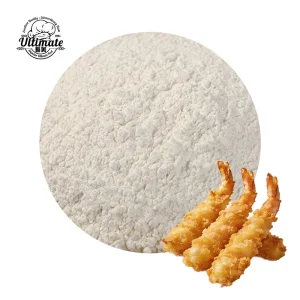
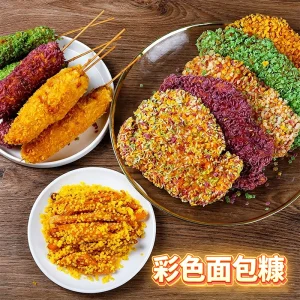
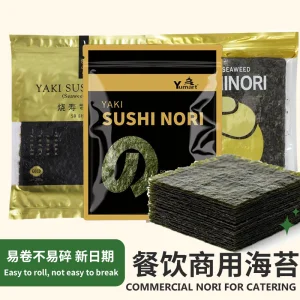
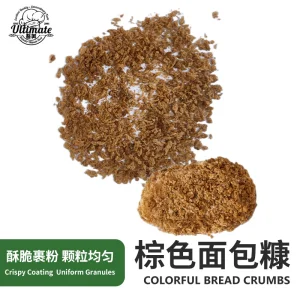
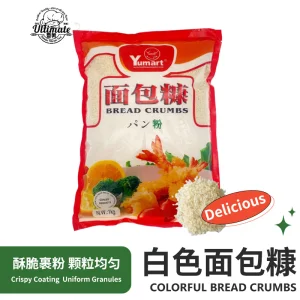
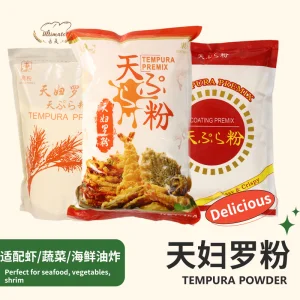
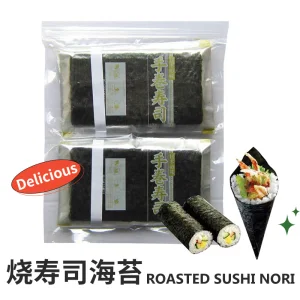
Our formulation engineering extends beyond pure gelatin to synergistic stabilization systems. This integrates plant hydrocolloids, custom starches, and outer-coating compounds. This is why our portfolio encompasses high-performance food coatings such as panko breadcrumbs, tempura batters, and seaweed binding agents. These product groups work in tandem to optimize the moisture-retention and crispiness of battered foods, demonstrating our comprehensive expertise in global food science.
Precise extraction temperature controls preserve the long polypeptide chains, ensuring reliable gel strength from 150 to 300 Bloom.
Milling processing options from 8 mesh to 80 mesh to match various dissolution rates in automatic processing lines.
Advanced multi-stage filtration and ion exchange filtration to ensure exceptional transparency and low ash content below 1.5%.
China's gelatin manufacturing infrastructure has undergone massive technological modernization, making it the premier sourcing destination for global enterprises. Sourcing custom OEM gelatin and matching food coating structures from our state-of-the-art facilities in China provides distinct strategic advantages:
Industrial food processing requires a harmonious relationship between mechanical stress and ingredient formulation. For instance, the production of extruded noodles or aerated ice cream using commercial extruders requires precise hydrocolloid rheology to prevent syneresis, structure collapse, or uneven fat distribution.
Our macro solutions address this by matching our machinery engineering division with our ingredient formulation division. When food companies source commercial ice cream machines or noodle processors, they face formulation challenges that standard off-the-shelf stabilizers cannot solve. By supplying customized gelatin formulations alongside our heavy-duty machinery, we ensure that parameters like shear-rate resistance, viscosity index, and hydration rates are pre-engineered to match the machine's processing dynamics. This holistic approach reduces client commissioning times, minimizes batch-to-batch inconsistencies, and lowers total cost of ownership.
Gelatin application requirements vary widely based on regional culinary profiles and consumer standards.
Crucial industry insights regarding gelatin specifications, OEM capability, compliance, and international shipping protocols.
Type A gelatin is derived from acid-treated raw materials (mostly porcine skin), making it ideal for applications with acidic pH levels. It exhibits faster gelation times. Type B gelatin is derived from alkaline-treated raw materials (mostly bovine bones and hides), offering higher viscosity profiles and greater stability in neutral-pH formulations, such as dairy products and soft capsules.
The Bloom value is determined by preparing a 6.67% w/w gelatin solution, heating it to dissolve, and then cooling it at exactly 10.0°C for 16 to 18 hours. A texture analyzer then measures the weight (in grams) required for a 0.5-inch diameter cylinder plunger to depress the surface of the gel by 4 millimeters. Our lab uses calibrated, automated texture analyzers to ensure every batch matches the target Bloom specification within ±5%.
For our global partners, we supply complete regulatory dossiers, including BRCGS (Global Standard for Food Safety), ISO 22000, HACCP, Halal (JAKIM/MUI/ESMA), Kosher, and health certificates issued by China Customs (GACC). For pharmaceutical orders, we provide EDQM, CEP, and DMF documentation support to comply with local regulatory frameworks.
Yes. In industrial breading systems (Panko or traditional coating lines), a low-bloom gelatin or hydrolyzed collagen solution is often used in the pre-dust step. It acts as a natural binder that improves adhesion between the meat substrate and the outer crumb layers. This significantly reduces breadcrumb fallout during frying, resulting in a crispier texture and higher product yield.
A leading manufacturing exporter specializing in food processing machinery, consumer electronics, and high-performance food ingredients.
Beijing Haining Shidai Technology Co., Ltd. (北京海宁时代科技有限公司) is a premier manufacturer and exporter with certified production licenses and a mature international logistics network. We maintain large inventories of core products, including industrial noodle-making machinery, commercial ice cream extrusion machinery, and diverse food ingredient solutions, to ensure rapid delivery.
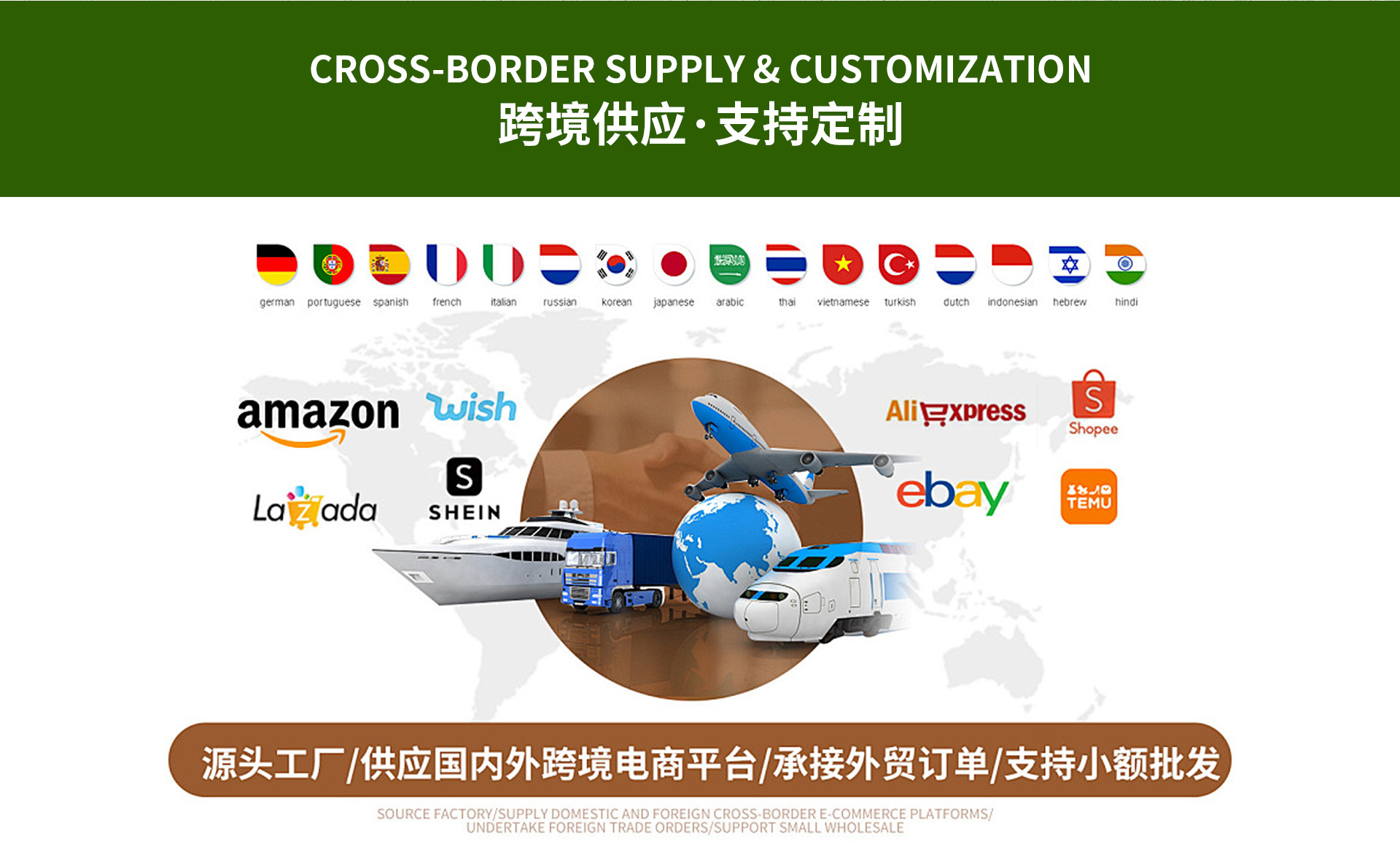
By offering robust OEM/ODM customization services, we support cross-border e-commerce sellers, commercial food processors, and international industrial enterprises. Our manufacturing capabilities, integrated supply chain, and commitment to strict quality control make us a trusted partner for B2B procurement across the Americas, Europe, and Asia.
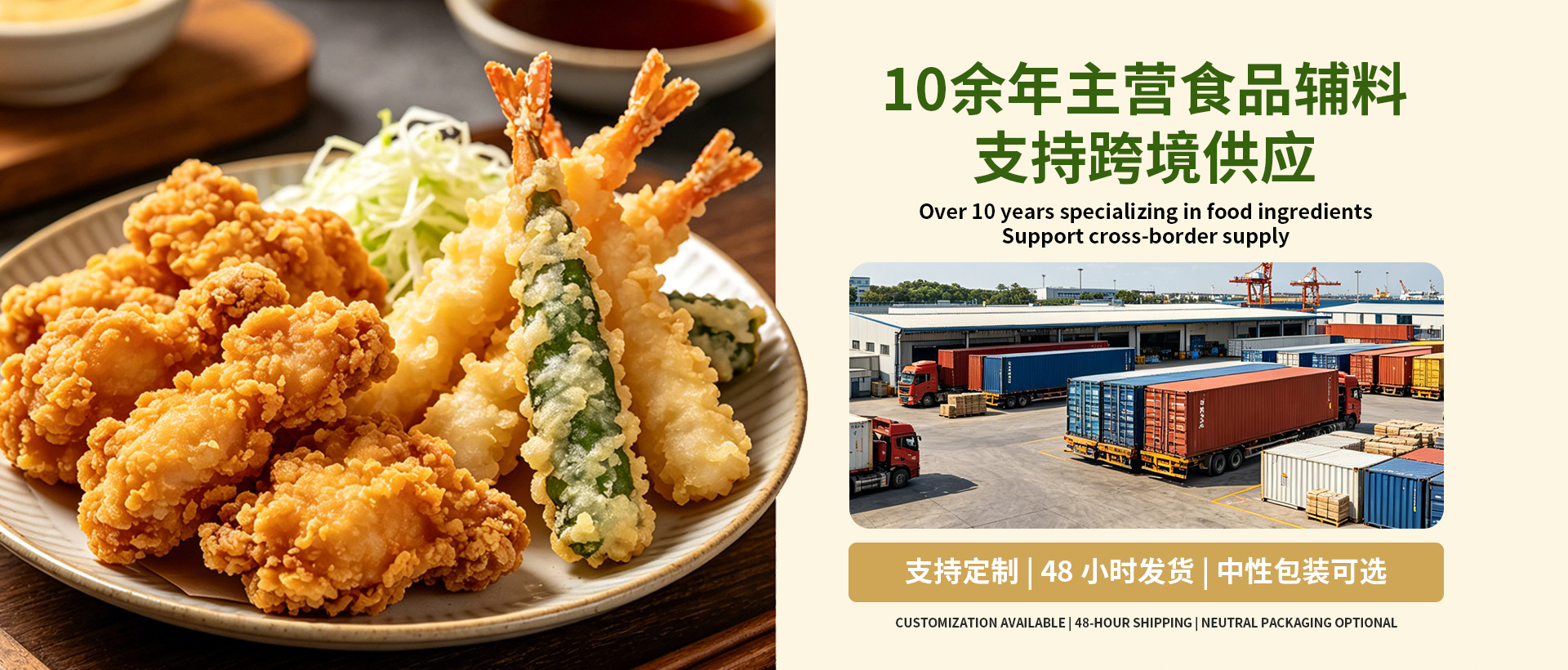

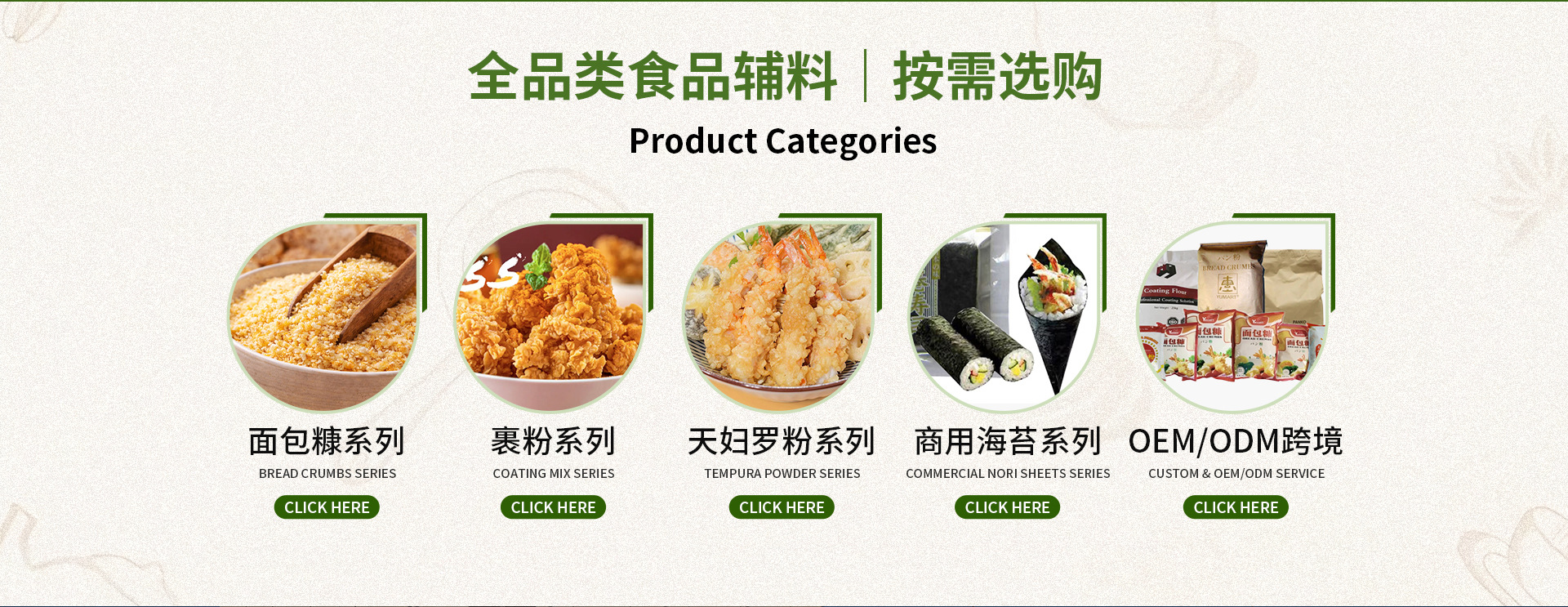
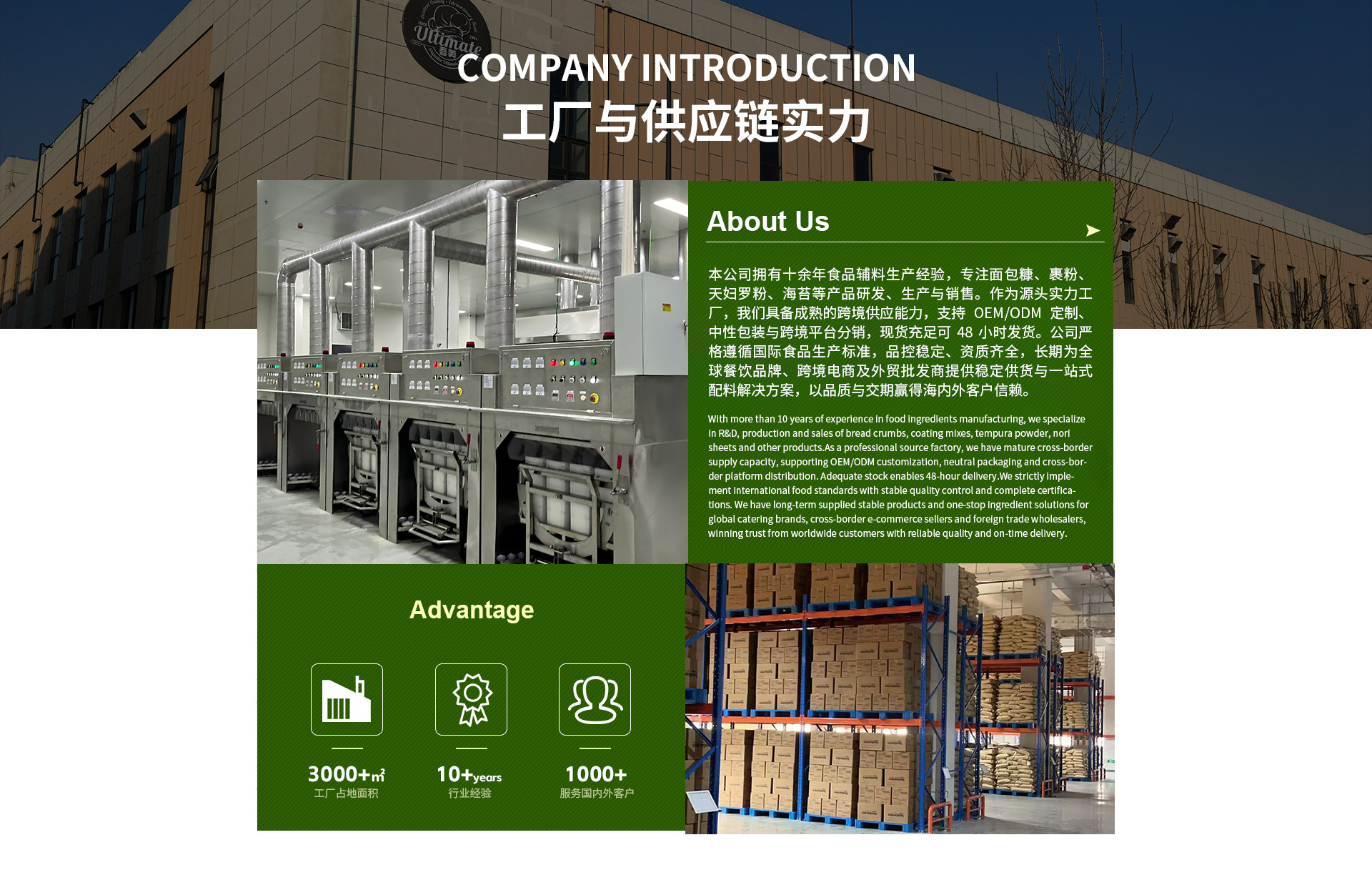
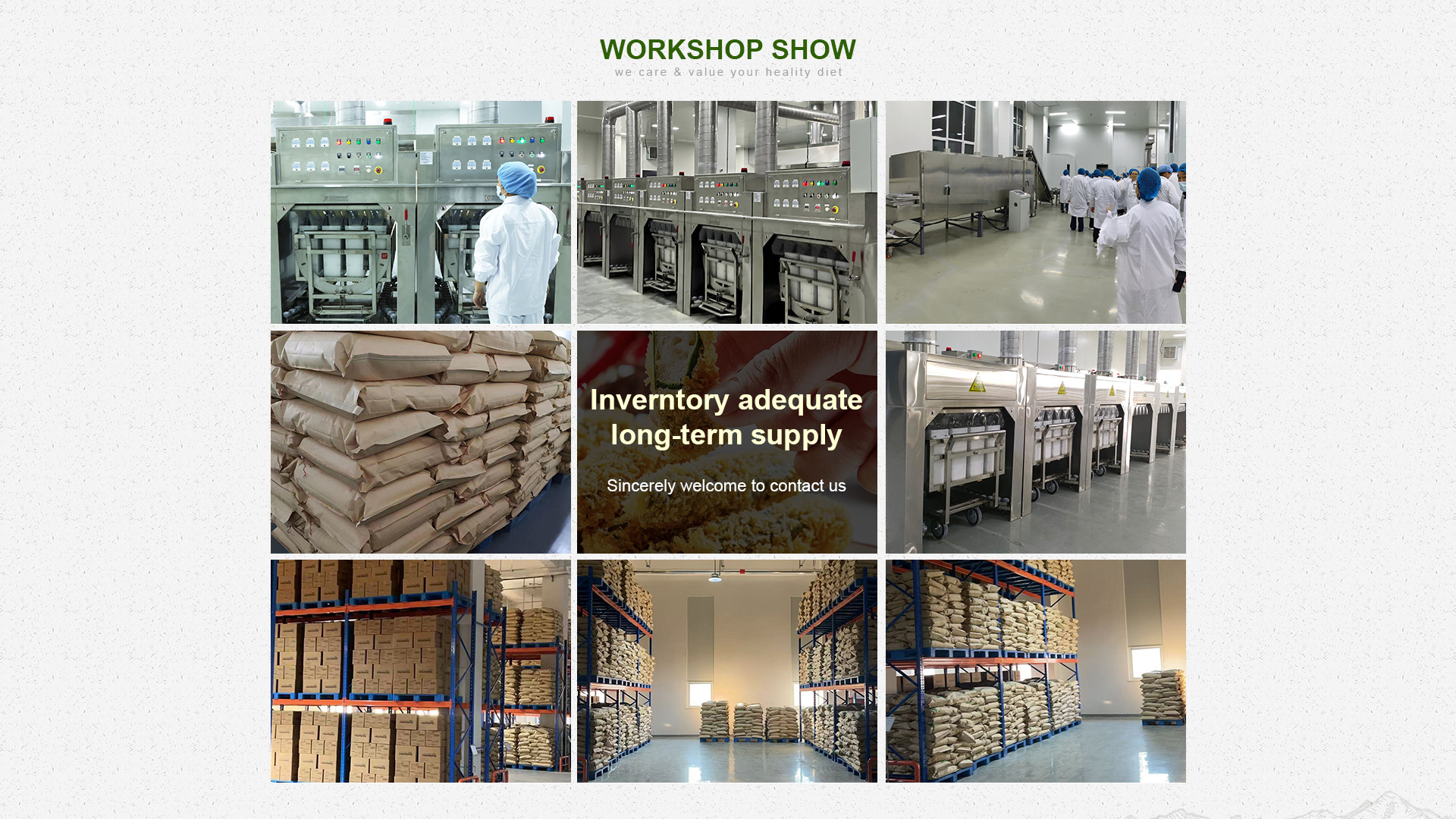
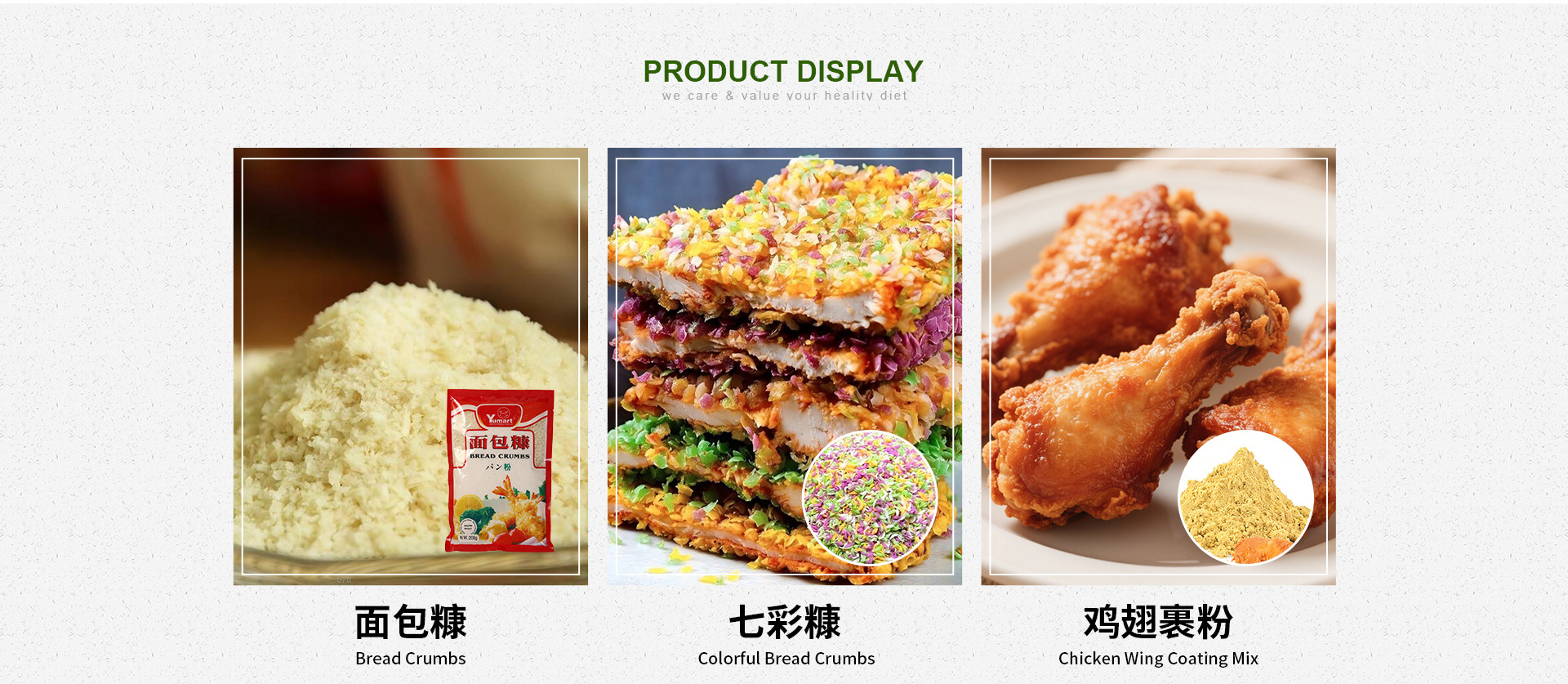
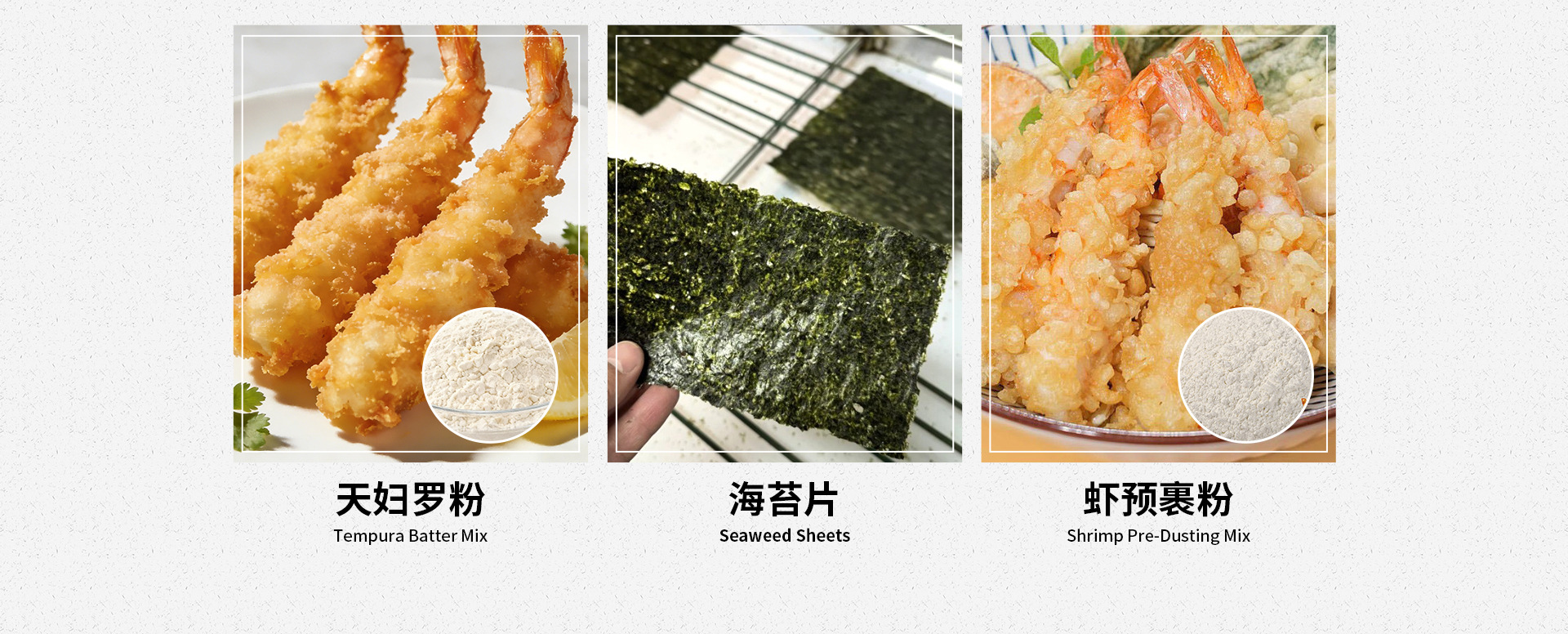
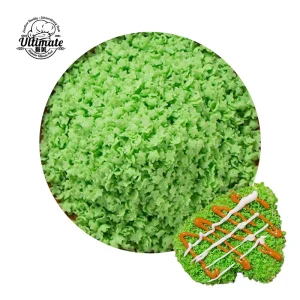
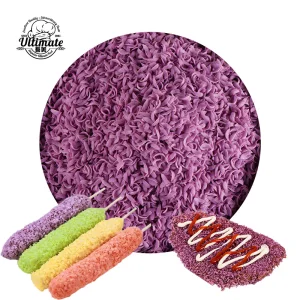
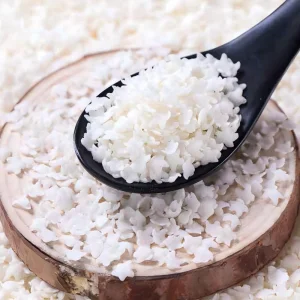
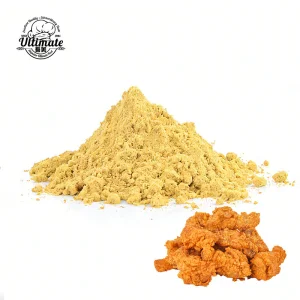
High-quality textured breadcrumbs, premium seaweed bases, and frying system powders designed for food manufacturing chains.
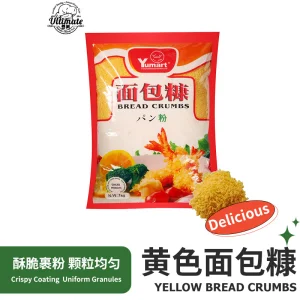
 Baking Supplies