Direct factory wholesale items crafted for global sushi chains, food processors, and catering services.
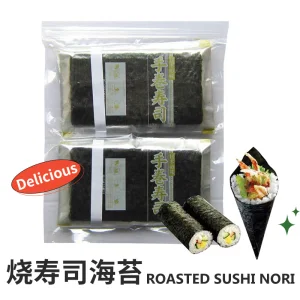
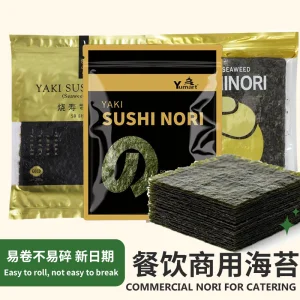

A comprehensive B2B insight report on industrial algaculture, processing tech, and global sourcing parameters.
Nori has transitioned from a traditional Asian culinary staple into a global superfood, driven by the expansion of western sushi chains and healthy snack segments.
Utilizing high-yield mariculture zones in Jiangsu and Shandong provinces, Chinese producers leverage unmatched scaling efficiency and advanced drying logistics.
Industrial nori is categorized from Grade A (Gold) to D (Green) based on color density, texture crispiness, sheet uniformity, and natural marine sweetness.
The global trade of edible seaweeds, particularly Pyropia yezoensis (Nori), has experienced monumental structural transformations. Traditionally anchored within the domestic markets of Japan and South Korea, aquaculture frameworks have significantly expanded, with China emerging as a primary source for industrial raw material processing and globally exported roasted seaweed sheets. The proliferation of sushi culture worldwide—paired with the rising demand for low-calorie, nutrient-dense ready-to-eat snacks—has accelerated procurement volumes across North America, the European Union, and South America.
B2B buyers, food processors, and retail chains face mounting challenges in securing stable, year-round supplies of premium nori that meet strict international phytosanitary standards. Industrial-scale importers focus on procurement indicators such as water activity levels (typically kept below 0.05 a_w to prevent enzymatic deterioration), heavy metal containment profiles, and physical elasticity. Selecting a strategic OEM partner with direct control over coastal mariculture leases and primary processing plants is paramount to ensuring consistent quality and predictable price lines.
China's dominance in the global nori export supply chain is rooted in its unique combination of geographical advantages and rapid technological integration. The coastal waters of Jiangsu Province, characterized by extensive shallow sandflats and highly favorable nutrient currents, provide the ideal ecological environment for cultivating high-grade Pyropia. These natural conditions, combined with state-of-the-art agricultural techniques like fixed-net and floating-raft systems, ensure high yields of first-harvest seaweed, which is celebrated for its deep dark-green luster and rich umami flavor.
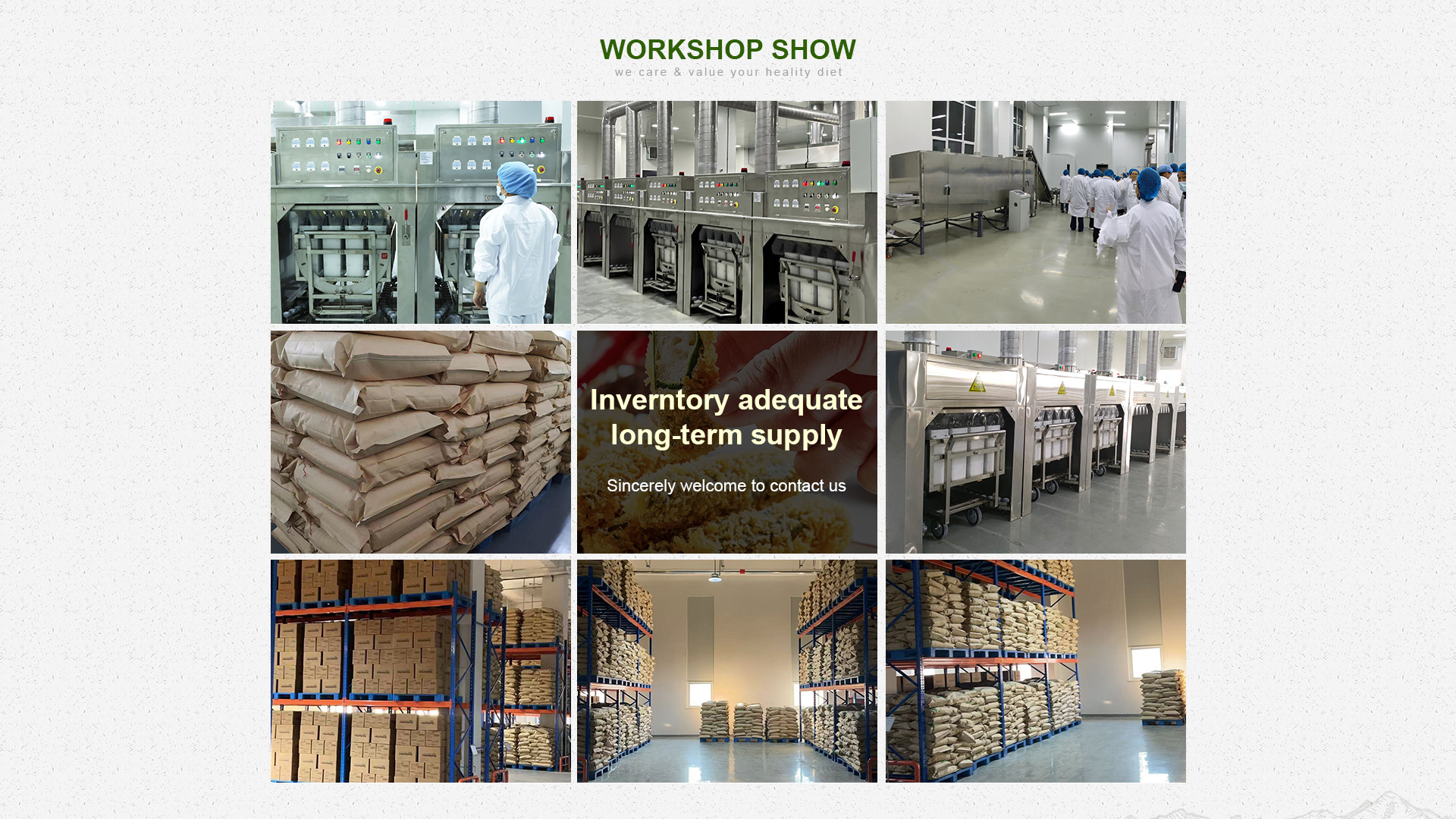
Beyond natural advantages, Chinese factories have made massive capital investments in automated processing lines. Raw seaweed is harvested mechanically, transported to processing facilities in temperature-controlled marine vessels, and immediately put through multi-stage washing, chopping, and sheet-forming machinery. Modern drying tunnels utilize computer-controlled dehumidifiers that dry sheets uniformly without damaging the delicate cellular structure of the algae. For OEM clients, this automation guarantees that high-volume orders—spanning millions of sheets—retain consistent thickness (grams per square meter), zero pinholes, and uniform moisture levels.
A key differentiator for top-tier exporters is the capacity to offer high-degree customization under OEM and private label partnerships. Our B2B customers can customize product parameters to fit their specific market regulations and consumer behaviors:
Leveraging massive industrial footprints and cross-industry engineering capabilities to deliver excellence.
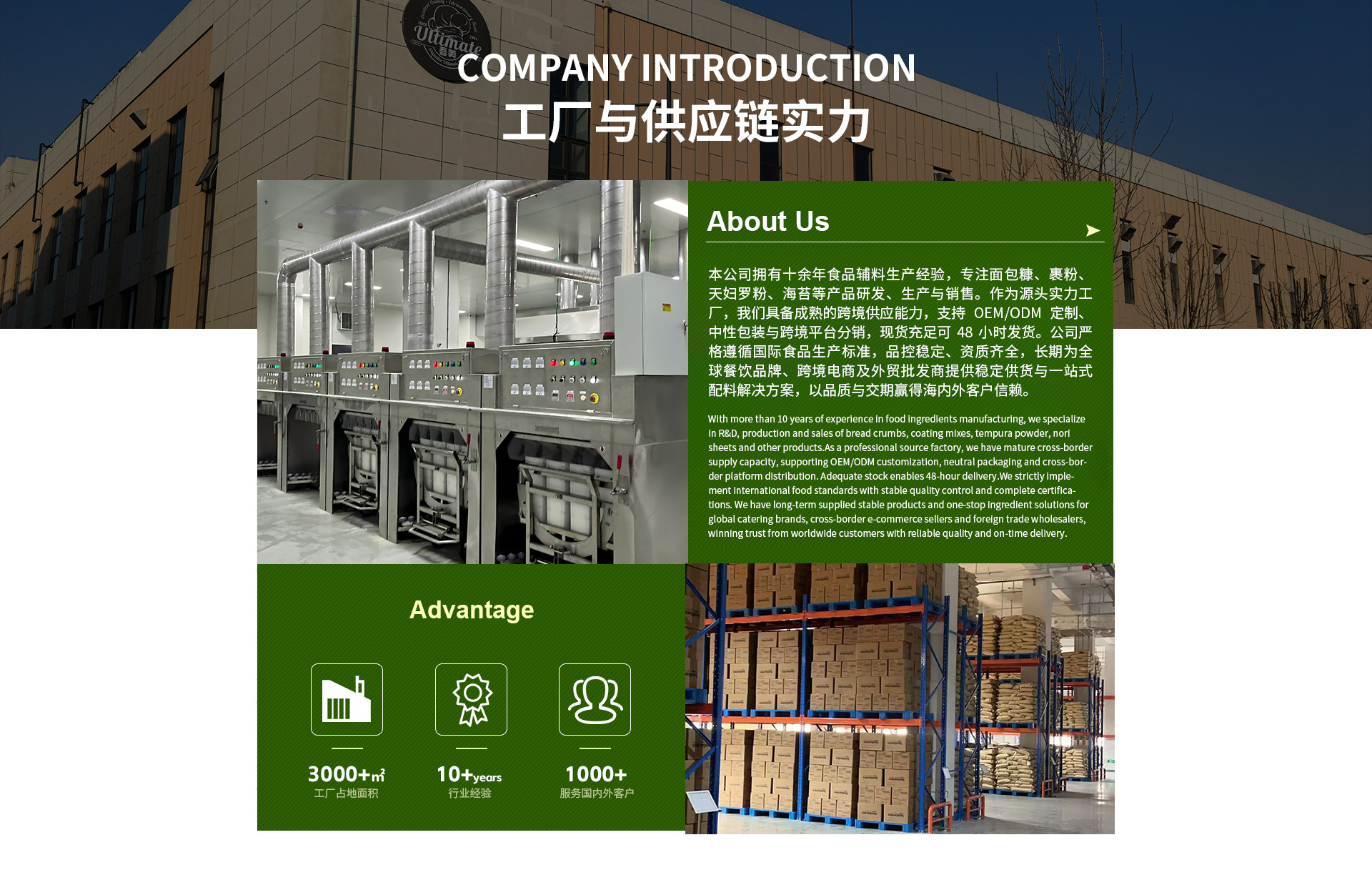
As an integral part of our diversified industrial group, the manufacturing capacity of Beijing Haining Times Technology Co., Ltd. provides powerful supply chain backing, financial stability, and mechanical engineering expertise. While specialized in commercial food machinery (such as advanced noodle-making systems, commercial ice cream machinery, and grain processing units), the group leverages its vast export footprint to optimize cold-chain logistics, custom product tooling, and strict quality assurance protocols across our dedicated agricultural food processing lines. Our shared manufacturing philosophy focuses on precision engineering, stability of delivery, and extensive customization capability for international buyers.

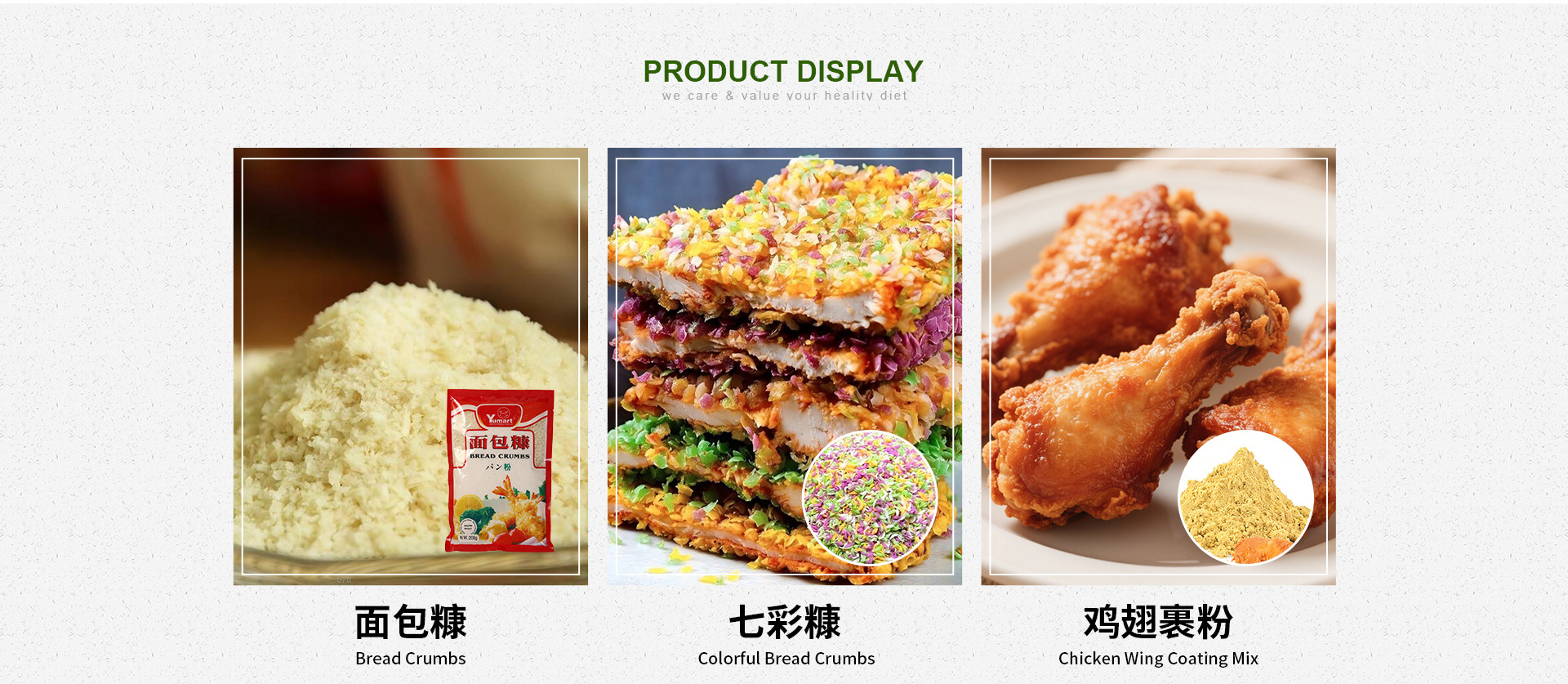
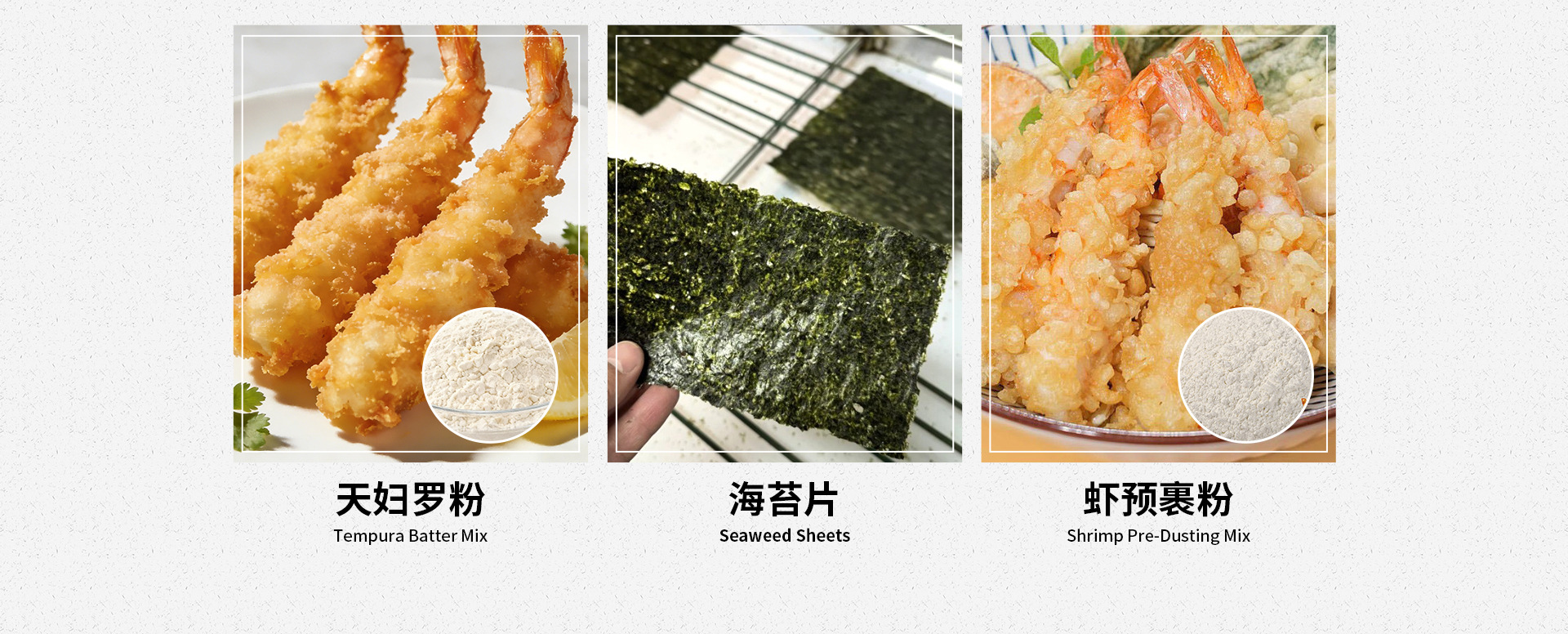
Technical guidance and answers to key industry questions on sourcing, importing, and quality grading roasted nori.
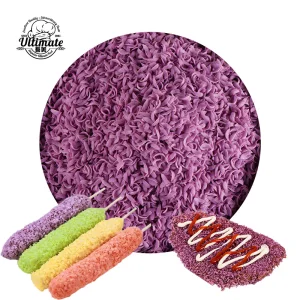
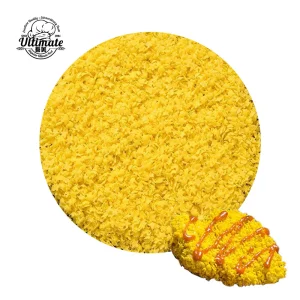
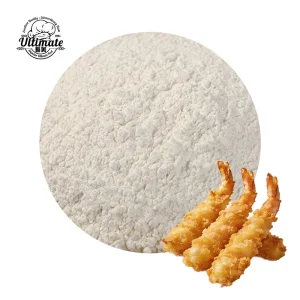
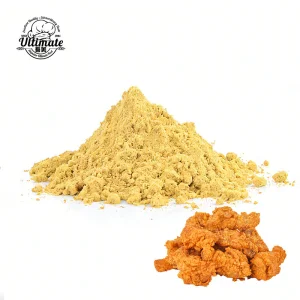
Premium dry mix coatings, specialty breadcrumbs, and pre-dust formulas manufactured for high-volume commercial frying.
 Baking Supplies