The global demand for diversified pasta and noodle products has witnessed a massive evolutionary shift. No longer limited to traditional durum wheat semolina formulations, modern consumers demand specialized starch profiles, high-protein blends, gluten-free matrices (utilizing rice, corn, and legume flours), and custom nutritional properties. For food processors, distributors, and global catering brands, securing a reliable Custom OEM Pasta Varieties Factory is the cornerstone of sustainable market scaling.
Industrial pasta production relies heavily on high-precision extrusion machinery and tailored starch gelatinization parameters. Commercial environments demand pasta varieties that maintain their structural integrity (al dente) under prolonged cooking, steam-table exposure, or retorting phases (in the case of ready-to-eat meals). To achieve this, modern manufacturing facilities combine food-grade engineering with raw materials optimization, leveraging advanced noodle-making apparatus and grain mixing systems.
Development of complex shapes (such as rotini, penne, customized farfalle, and Asian-style noodles) optimized for specific cooking environments and sauce-retention properties.
Utilizing premium raw grains, fortified proteins, and natural fiber elements to meet modern health guidelines (clean-label, gluten-free, organic).
Employing high-durability dies and pressure controls to ensure consistent density, cook tolerance, and mouthfeel across high-volume production batches.
The future of pasta and food processing manufacturing is deeply integrated with automation, Industrial Internet of Things (IIoT), and intelligent thermal control systems. Leading factories are shifting from manual quality control to digital sensors that continuously monitor moisture content, dough elasticity, and thermal profiles.
Integration of automated dosing systems for flour, water, and auxiliary starches. Real-time viscosity feedback loops prevent batch failures and maintain uniform dry gluten networks, essential for firm texture.
Utilization of laser-etched bronze and Teflon dies equipped with thermal jackets. By dynamically adjusting the temperature of the extrusion die, factories prevent starch burning and ensure smooth surface finishes or customized rough textures (ideal for premium sauce adhesion).
Transitioning from traditional hot-air drying tunnels to hybrid microwave-vacuum or low-temperature long-time (LTLT) drying systems. AI-driven vision systems continuously scan dried products for micro-fractures, automatically discarding sub-standard batches to ensure a zero-defect output.
Custom Pasta Shapes
Annual Production Capacity
Food Grade Equipment
Exporting Countries
China has established itself as the global epicenter for industrial food-grade machinery and processing technology. The structural resilience of the Chinese supply chain lies in its unparalleled vertical integration—combining raw material agricultural networks with high-precision engineering for food processing machines, automated packaging lines, and cold chain logistics.
As a primary producer in this ecosystem, Beijing Haining Shidai Technology Co., Ltd. (北京海宁时代科技有限公司) represents the pinnacle of localized manufacturing innovation. Focusing on consumer electronics and food-grade machinery, they are a primary source manufacturer with direct export qualifications and comprehensive foreign trade capabilities.
By maintaining large inventories of main equipment line-ups, including high-capacity noodle/pasta makers and commercial ice cream machines, Haining Shidai ensures rapid delivery and robust supply stability for global B2B clients. Their capabilities span across:
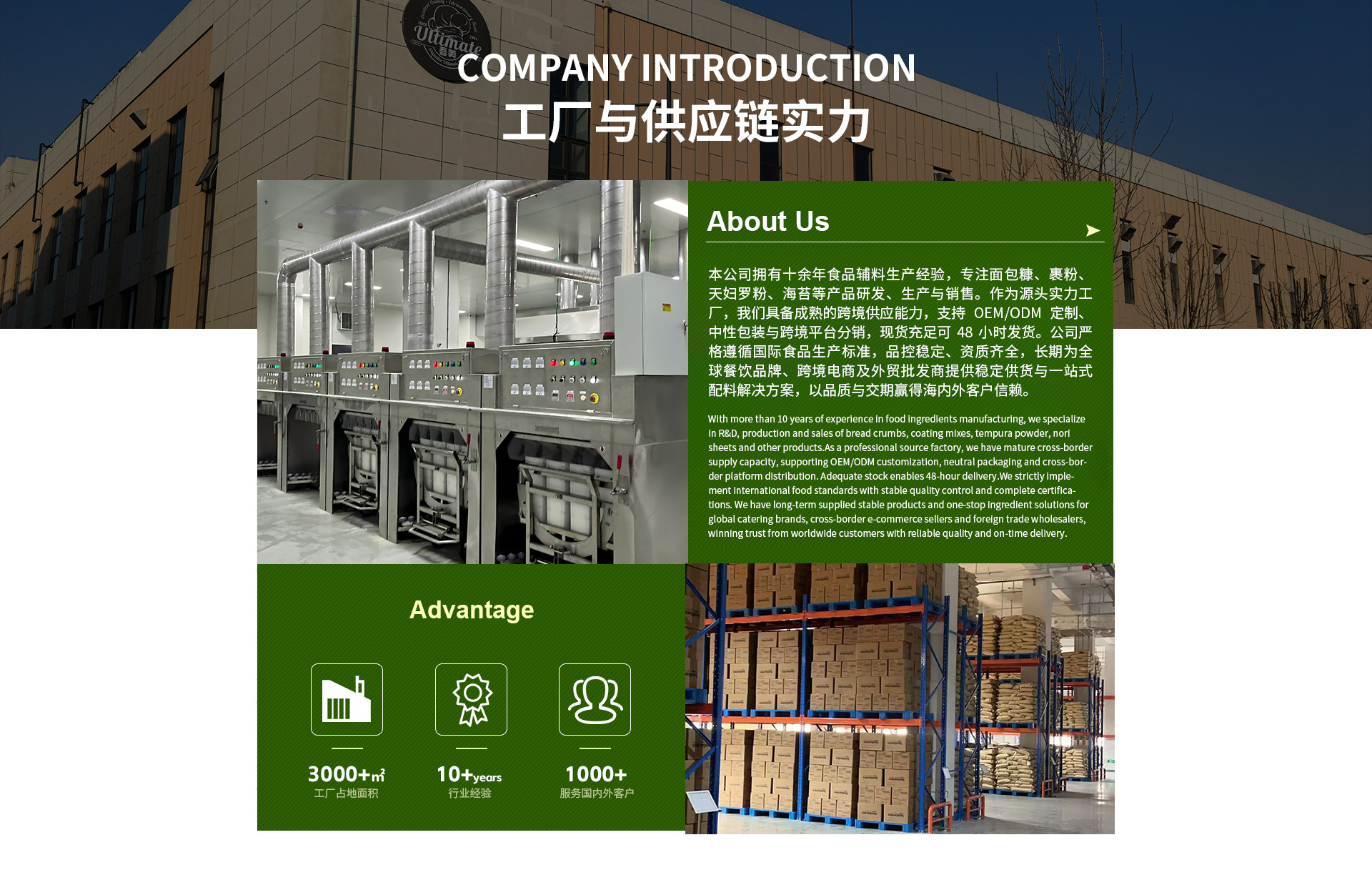
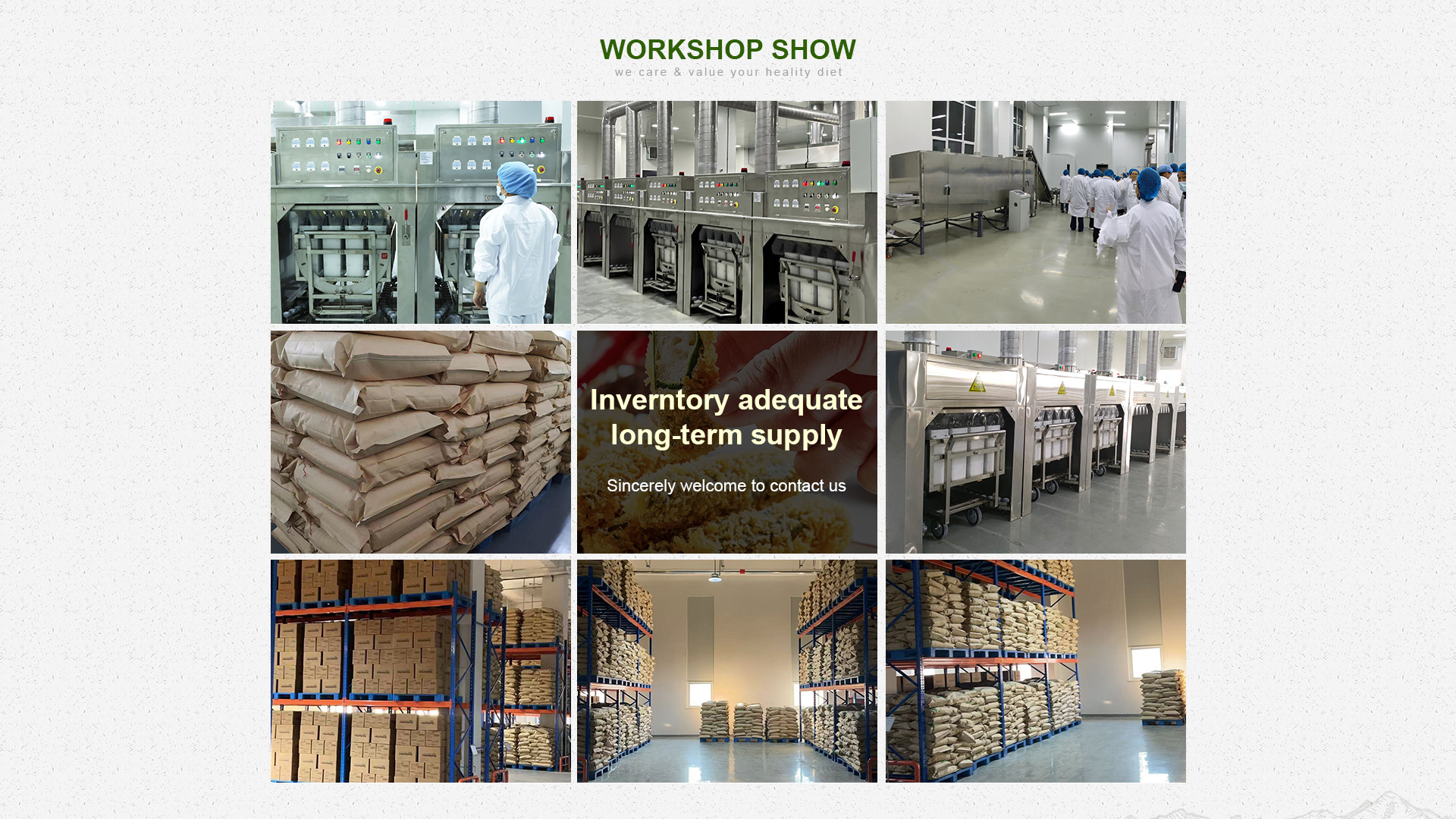
Take an inside look at our state-of-the-art production facilities, heavy-duty metal CNC precision operations, quality control lines, and massive shipping hubs that drive global OEM food processing and machinery supply.
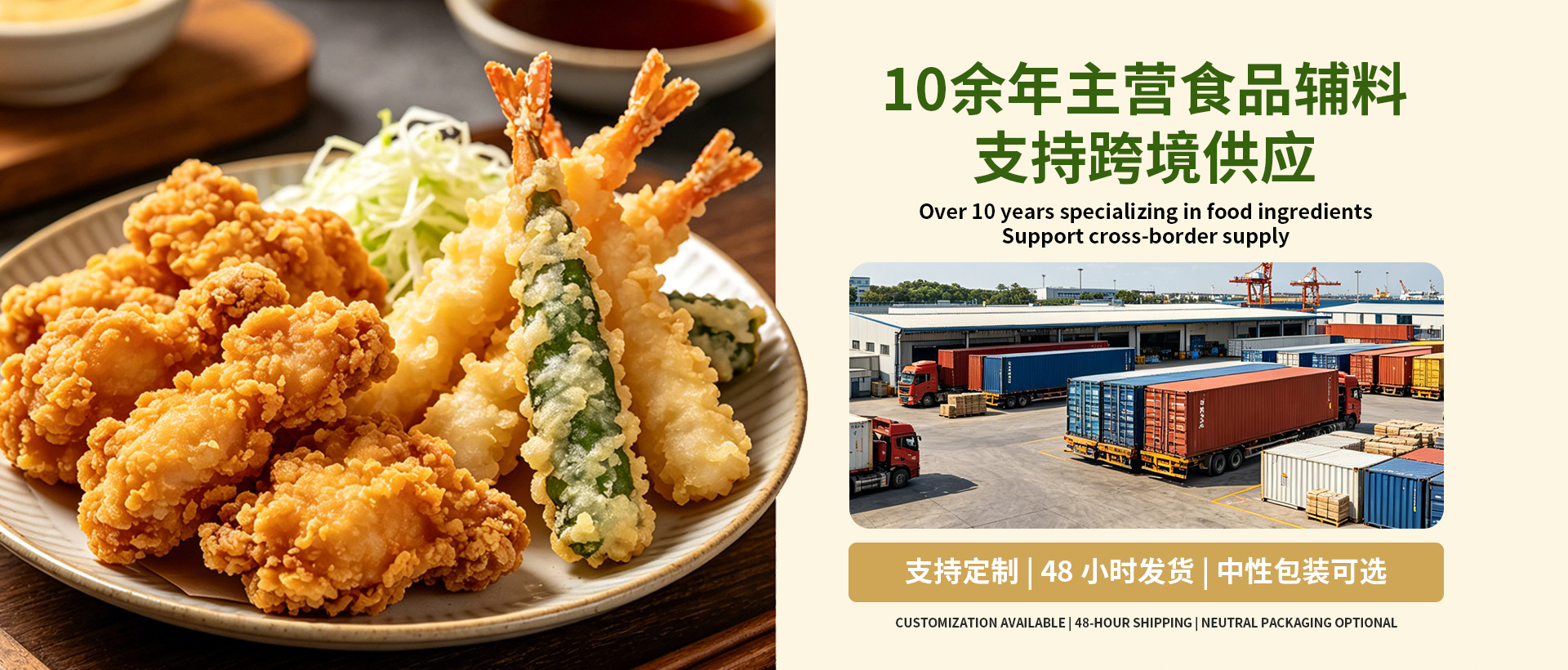

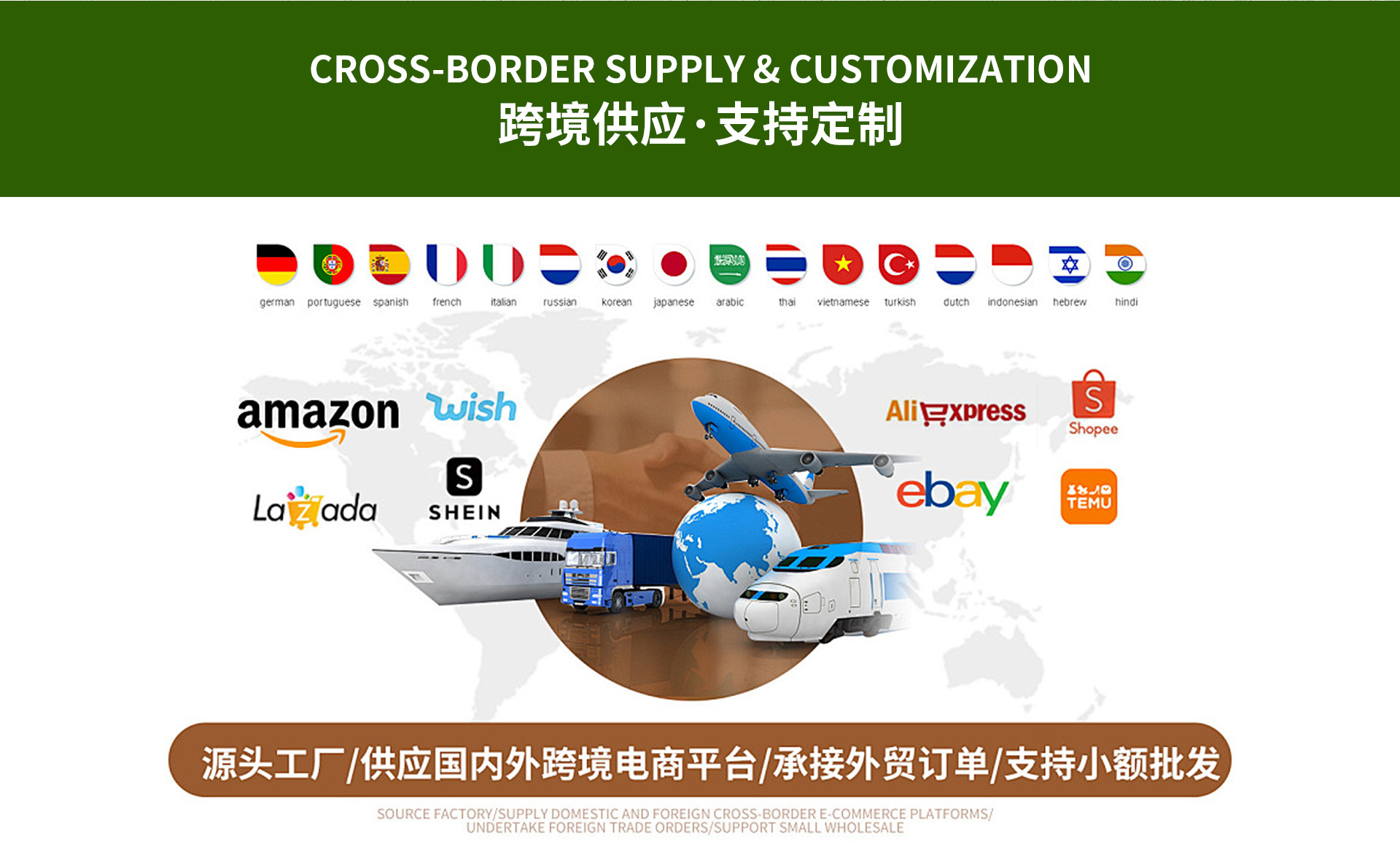
High-capacity food production is not a one-size-fits-all model. Different global geographic sectors exhibit unique consumer habits, requiring bespoke OEM hardware and specialized commercial ingredients to thrive.
Market Demand: High-protein durum semolina pastas, gluten-free variations, and custom quick-cook penne for ready-meal manufacturers.
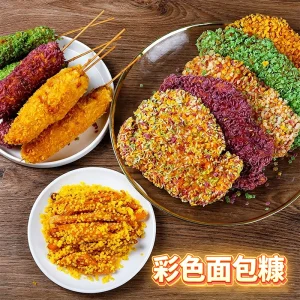
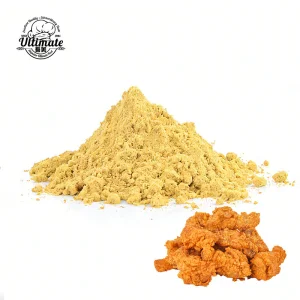
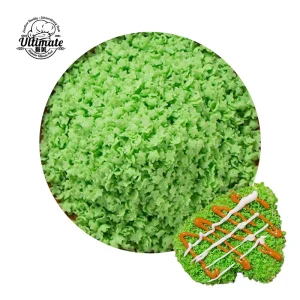
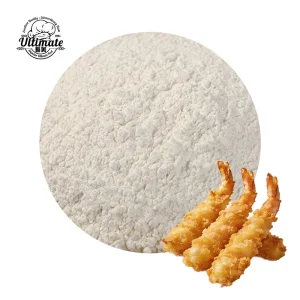
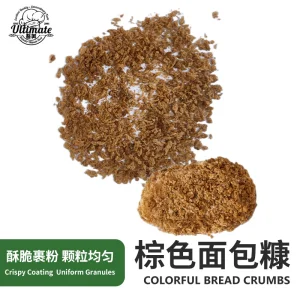
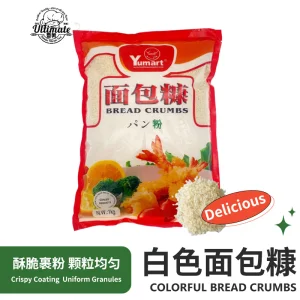
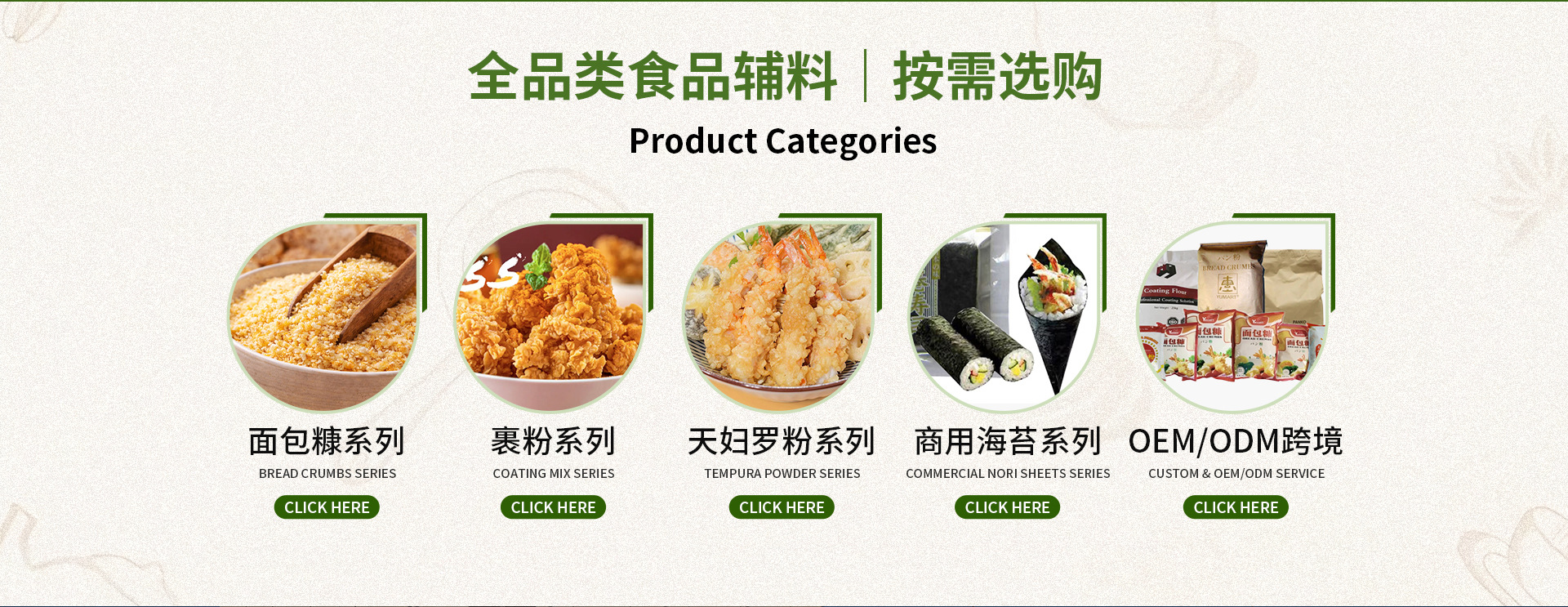
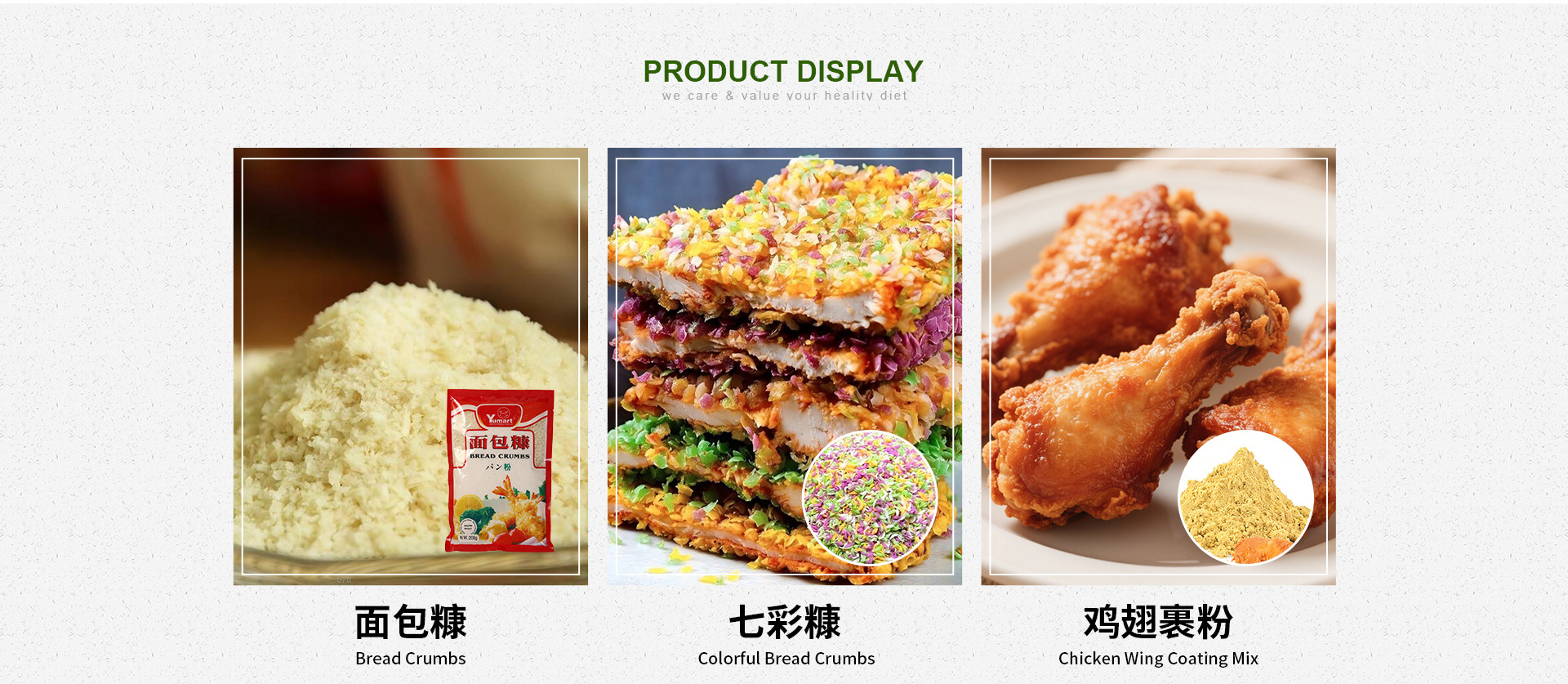
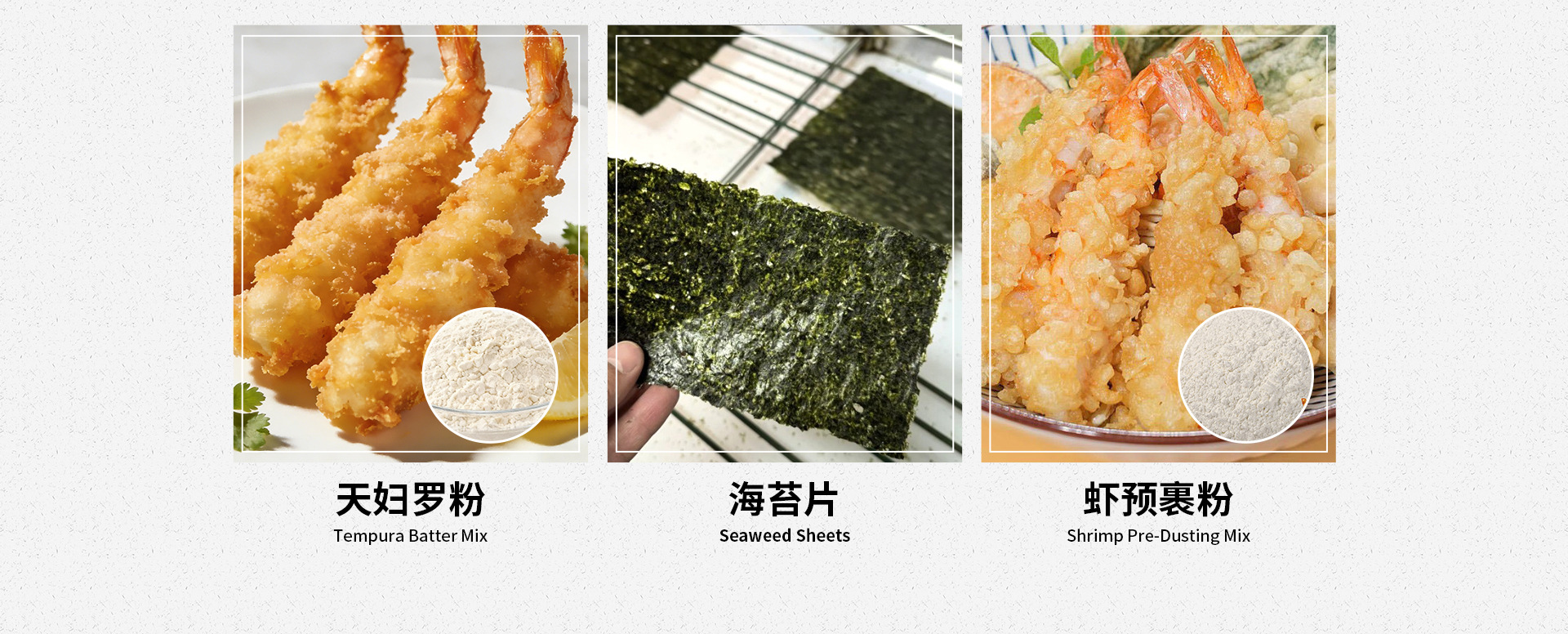
Synergistic Components: Commercial breading coatings for frozen convenience foods (like panko-breaded cutlets, fried appetizers, and tempura sides) that accompany pasta side dishes.
Market Demand: Instant-ramen lines, soft-stretched noodles, and precise thickness control for udon and soba formulations.
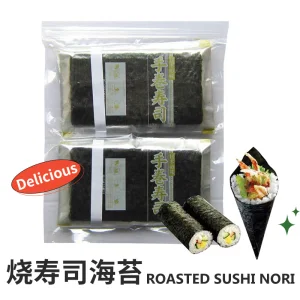
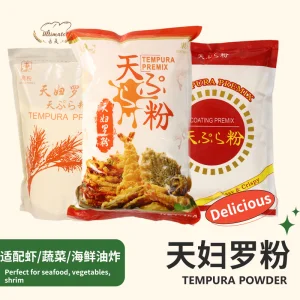
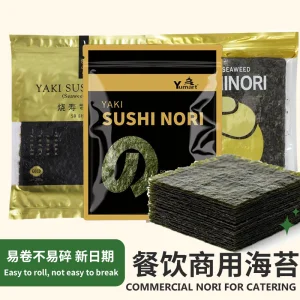
Synergistic Components: High-purity sushi nori (seaweed sheets), tempura frying powders, and crescent-shaped breadcrumbs for katsu curry and sushi rolls.
Market Demand: Economical, high-capacity pasta extruders capable of processing local crops (cassava, corn, local wheat) into stable dry staples.
Synergistic Components: Large-bag bulk pancake mixes and multi-purpose batter powders for local street food vendors and quick-service restaurant chains.
Cross-border procurement of industrial food machinery and bulk food ingredients requires strict compliance with international regulatory bodies. Beijing Haining Shidai Technology Co., Ltd. ensures that all custom equipment and supplied culinary materials adhere to global safety and hygiene paradigms.
All extruder components, dies, and mixing chambers are manufactured using food-grade SUS304 or SUS316 stainless steel, meeting strict FDA and EU 1935/2004 standards.
Machinery motors and wiring configurations are built to CE, UL, or CSA standards, customized directly to the importing nation’s grid specifications.
Dry food components, coatings, and premixes undergo rigorous sanitary and phytosanitary (SPS) testing to facilitate seamless customs clearance.
Provision of localized remote technical support, video calibration guides, and readily available wear-and-tear replacement parts (such as cutting blades and dies).
 Baking Supplies