High-quality industrial coatings and texturizing agents for global distributors


As global regulatory bodies tighten rules around sucrose consumption, food and beverage developers are shifting from simple bulk substitution to target-specific, clean-label sweetening architectures. This transition demands high-purity molecular structures capable of matching the sensory profile of sucrose without its metabolic cost.
Early formulation relied heavily on saccharin, aspartame, and acesulfame potassium. While cost-effective, they face increasing consumer resistance due to lingering metallic off-notes and evolving clean-label requirements.
Erythritol, Maltitol, and Xylitol solved density and bulking issues. However, physiological tolerance limits (laxative thresholds) and crystallization challenges required advanced co-crystallization and compounding.
The contemporary standard focuses on Rebaudioside M, Rebaudioside D, Allulose, and Thaumatin. Produced through precision fermentation, these compounds offer a close sensory match to natural cane sugar.
Developing custom OEM sweeteners requires managing taste profile kinetics. Standard natural sweeteners often exhibit a delayed onset of sweetness combined with a lingering, bitter, or licorice-like aftertaste. Our technical roadmap addresses these sensory issues through precise molecular manipulation and scientific compounding.
By applying specialized glycosyltransferases to natural steviol glycosides, we append glucose moieties to the steviol backbone. This process optimizes the ratio of Rebaudioside A to Rebaudioside M, significantly reducing bitterness and aligning the sweetness curve with that of sucrose.
No single zero-calorie sweetener provides a complete organoleptic profile. We design binary and ternary matrices combining high-intensity sweeteners (such as Stevia Reb-M) with bulk sweeteners (like Erythritol or Allulose). This approach masks off-flavors, improves temporal profiles, and delivers structural density in baking applications.
| Sweetener Type | Sweetness (vs Sucrose) | Solubility (g/100ml @ 25°C) | Thermal Stability | Primary Industrial Use Case |
|---|---|---|---|---|
| Rebaudioside M (Stevia) | 250x - 300x | Moderate (~0.8) | Excellent (≤ 200°C) | Carbonated Soft Drinks, Dairy, RTD Tea |
| Allulose | 0.7x | High (~70.0) | Good (Participates in Maillard reaction) | Ice Cream, Bakery, Syrups, Chocolate |
| Erythritol | 0.65x | Moderate (~37.0) | Excellent (≤ 160°C) | Tabletop Sweeteners, Sugar-Free Confectionery |
| Mogroside V (Monk Fruit) | 150x - 200x | Excellent (≥ 5.0) | Excellent (≤ 120°C) | Clean Label Products, Baby Food, Beverages |
Replacing sugar requires adjusting for physical properties like density, freezing point, and moisture retention. Our industrial applications cover several distinct sectors:
Achieving stable sweetness in carbonated beverages requires stability across long storage times. Our solutions resist degradation in low pH environments and under UV exposure during logistics.
Replacing sugar in baked goods requires components that help with browning and texture. Our customized allulose-erythritol compounds support the Maillard reaction, yielding structured crumbs and proper crispness.
In ice cream and yogurt applications, sweeteners alter the freezing point. We adjust freezing point depression profiles to maintain creaminess, prevent crystallization, and achieve clean sweetness.
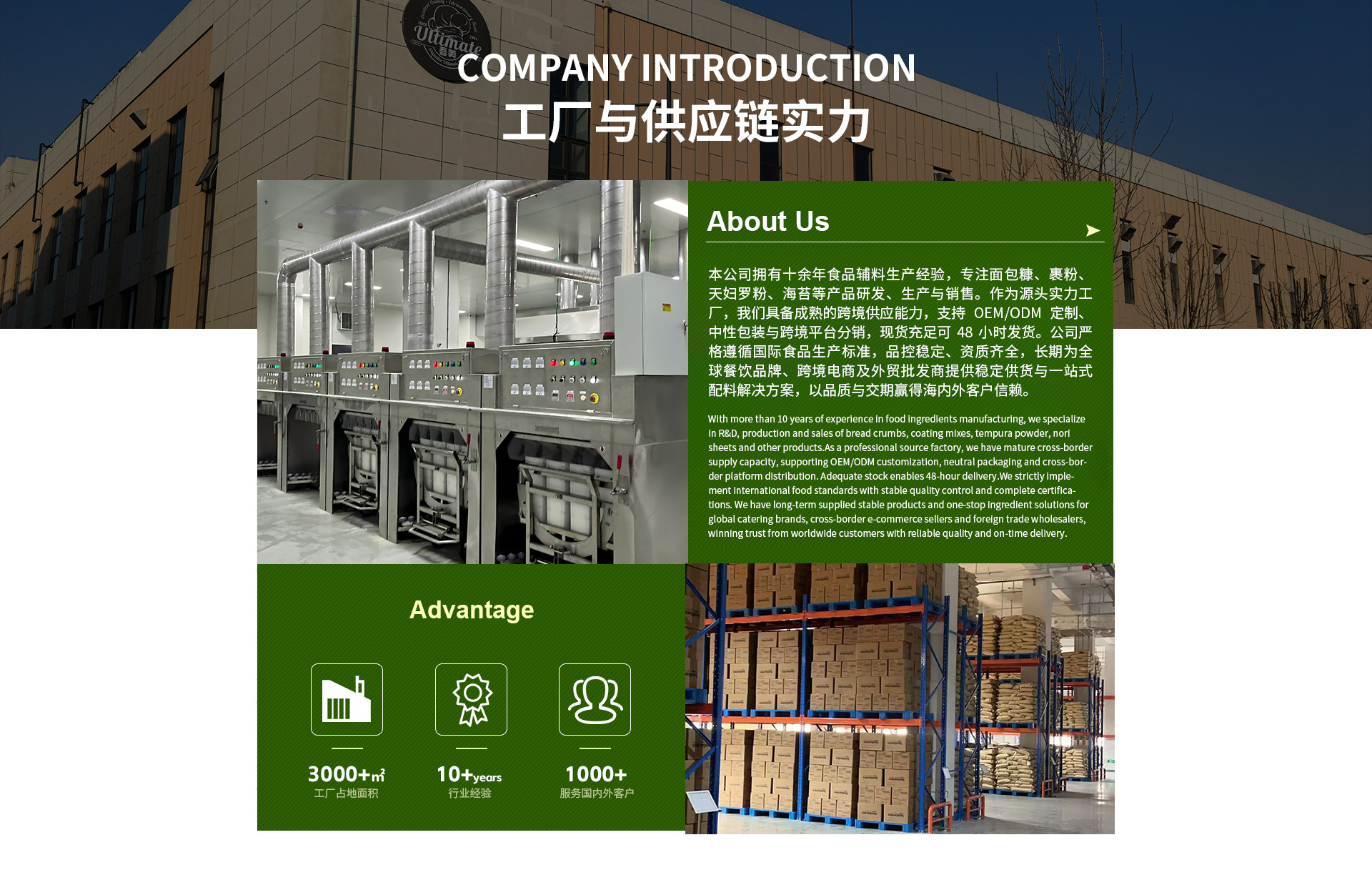
Quality control in manufacturing involves both bio-fermentation precision and mechanical automation. Beijing Haining Times Technology Co., Ltd. coordinates these disciplines, combining industrial design with ingredients processing.
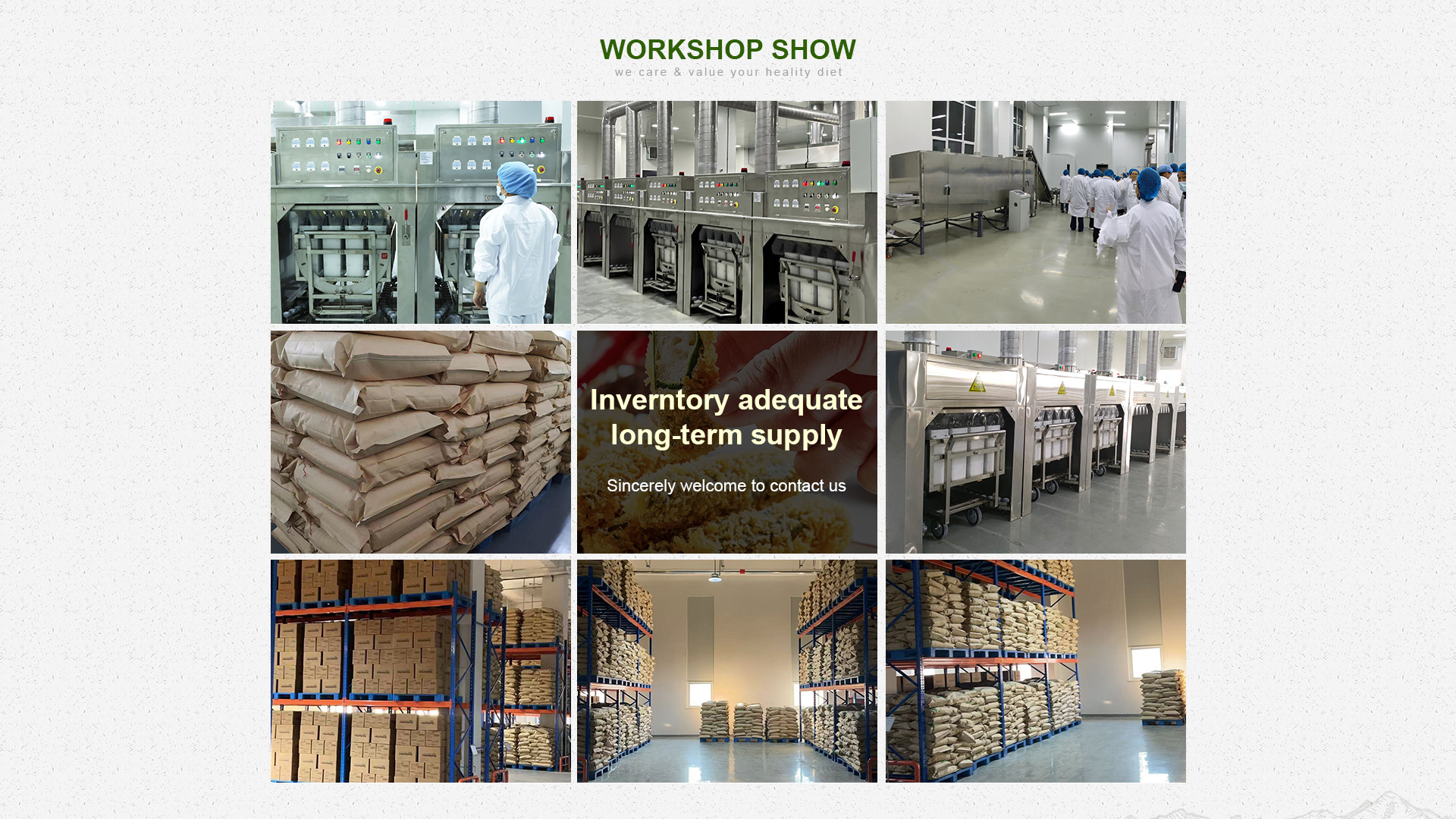
Our operations span advanced food ingredients processing and high-precision food processing machinery. This integrated approach ensures consistent formulation and processing performance.
Our fermentation and synthesis facilities operate alongside our food machinery divisions. This combination allows us to test how sweeteners perform inside industrial machinery, refining formulations for better rheology and flowability in spray-dry towers, mixers, and extruder lines.
We source raw plant materials directly, maintaining batch-to-batch tracking from seed to final crystals. Operating with FSSC 22000 and ISO 9001 certifications, our production lines utilize chromatography verification to ensure physical and chemical purity matches specifications.
Sweetener compliance varies by region. Navigating EFSA limits, FDA GRAS notifications, and local labeling requirements is critical for global product launches. We provide comprehensive documentation support to help clear regulatory hurdles.
We supply high-purity Mogroside V and Stevia glycosides (Reb-A, Reb-M) compliant with FDA GRAS status. Complete specification data sheets support clean-label transitions.
Our production complies with European purity regulations. All lots undergo testing for heavy metals and pesticides, with full documentation provided for import clearance.
To support global supply chains, our ingredients maintain Kosher and Halal certifications. This ensures smooth entry into Middle Eastern and global retail channels.
Industrial buyers prioritize delivery consistency and batch uniformity. We structure our commercial partnerships with clear timelines, transparent documentation, and reliable shipping protocols.
| Procurement Factor | Standard OEM Operations | Customer Security Protocol |
|---|---|---|
| Minimum Order Quantity (MOQ) | Flexible commercial scaling (1,000 kg standard batch size) | Allows customized formulation trials with dedicated QC logs |
| Packaging Systems | 25kg multi-layer kraft bags, lined paper drums, customizable bulk packaging | Hermetically sealed barriers designed for transit through varying humidity zones |
| Verification Lead Times | Sample validation: 3–5 working days; Mass production: 14–21 days | Third-party SGS or Eurofins analysis provided prior to dispatch |
| Shipping Options | FOB Tianjin/Qingdao/Shanghai, CIF destination ports, DDP overland shipping | Real-time temperature and humidity tracking available upon request |
北京海宁时代科技有限公司是专注消费电子领域的源头生产厂家,拥有自主生产资质与成熟外贸出口能力。店铺常年备有面条机、冰淇淋机等主力产品的大批量现货,支持快速响应与稳定交付;同时提供OEM/ODM加工定制服务,满足跨境客户、企业自用及个性化需求。依托扎实的制造实力与高效供应链,我们已服务众多国内外B端客户,品质与履约能力值得信赖。
As an integrated global business group, Beijing Haining Times Technology Co., Ltd. supports industrial food processors. In addition to high-purity sweeteners and texturizers, our engineering division supplies automated food equipment, including commercial noodle extruders and ice cream machinery. This combined capacity helps commercial kitchens and processing plants source both machinery and ingredients from a single provider.


Review key technical answers regarding molecular synthesis, sensory profiling, and processing machinery integration.
Enzymatic transglucosylation transfers glucosyl groups to natural stevia extracts. This process changes the molecule's spatial geometry, reducing binding to human bitter taste receptors (TAS2Rs) while maintaining targeted sweetness.
Freezing point depression depends on the molar concentration of dissolved solutes. Erythritol (molecular weight 122 g/mol) lowers the freezing point more than sucrose (342 g/mol). We balance these properties by blending bulk ingredients with higher molecular weight dextrins or soluble fibers to achieve the desired ice cream hardness and texture.
We use high-performance liquid chromatography (HPLC) to verify chemical compositions for every production run. In addition, our automated dry-blending systems maintain standard deviation limits below 1.5% across production batches.
Our engineering team designs commercial noodle extruders and ice cream machinery to run efficiently with sugar-free and high-fiber formulations. We adjust mechanical torque and extrusion parameters to match the altered viscosity of alternative sweeteners.
Verified bulk products optimized for global export markets




 Baking Supplies