Premium raw materials and food processing mixtures engineered for commercial scale, crunch optimization, and industrial cooking systems.

Understanding macro-economic changes, supply-chain metrics, and demographic shifts driving high-capacity food processing technology.
The global instant noodles market reached an estimated valuation of USD 54.6 Billion in 2023 and is projected to expand at a Compound Annual Growth Rate (CAGR) of 5.8% over the next decade. As urban density increases and fast-paced lifestyles dominate global consumer demographics, instant noodles have evolved from a simple budget-friendly convenience food into a highly specialized culinary segment featuring organic ingredients, functional additives, and regional gourmet profiles. Today's manufacturing ecosystem must adapt to these shifting demographics by providing highly agile, technologically advanced production pipelines.
From an industrial standpoint, modern instant noodle plants are no longer just mechanical extruders. They are fully digitalized smart factories integrating Internet of Things (IoT) sensors, automated quality inspection systems, and advanced environmental controls. Emerging economies in South Asia, the Asia-Pacific region, and Africa are experiencing unprecedented growth in localized manufacturing, as international brands seek regional OEM/ODM partnerships to circumvent high logistical costs and tariff barriers. Establishing a resilient, high-volume production setup is critical for capturing these high-growth regional sectors.
How smart instant noodle factories cater to private labels, food brands, and multinational distribution networks.
Tailoring noodle textures using premium domestic wheat, whole wheat, gluten-free rice flour, or high-fiber alternative grains. Adjusting moisture, elasticity, and cooking times to suit regional preferences.
Select from traditional deep-frying configurations (which ensure rapid rehydration in 3 minutes) or non-fried hot-air drying lines for low-fat, health-conscious dietary profiles.
Collaborate with our flavor specialists to create regional seasoning bags, including retort-pouched real meats, freeze-dried vegetables, and high-viscosity liquid soup concentrates.
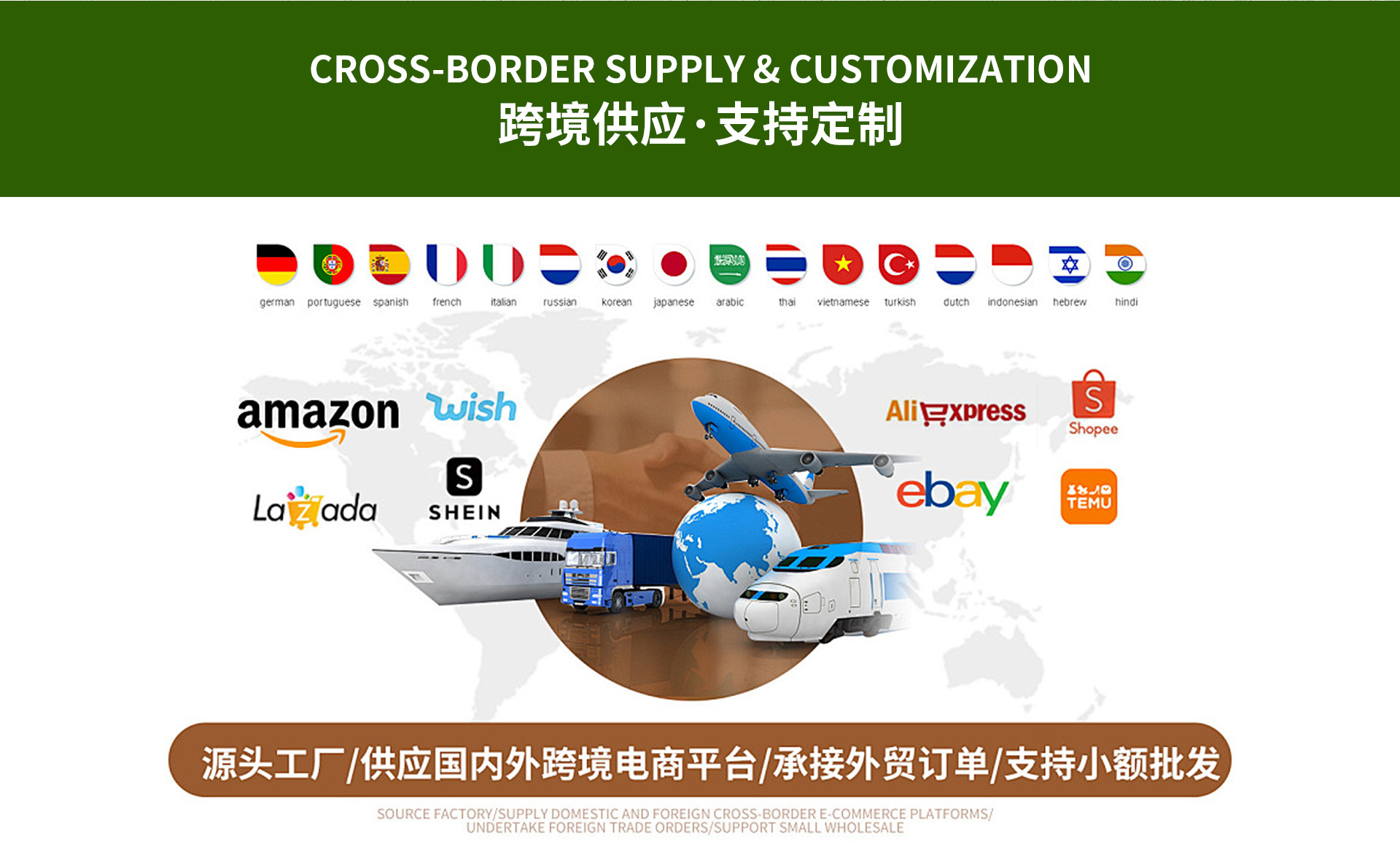
Translating advanced machinery manufacturing and extensive supply chain assets into cross-border B2B business success.
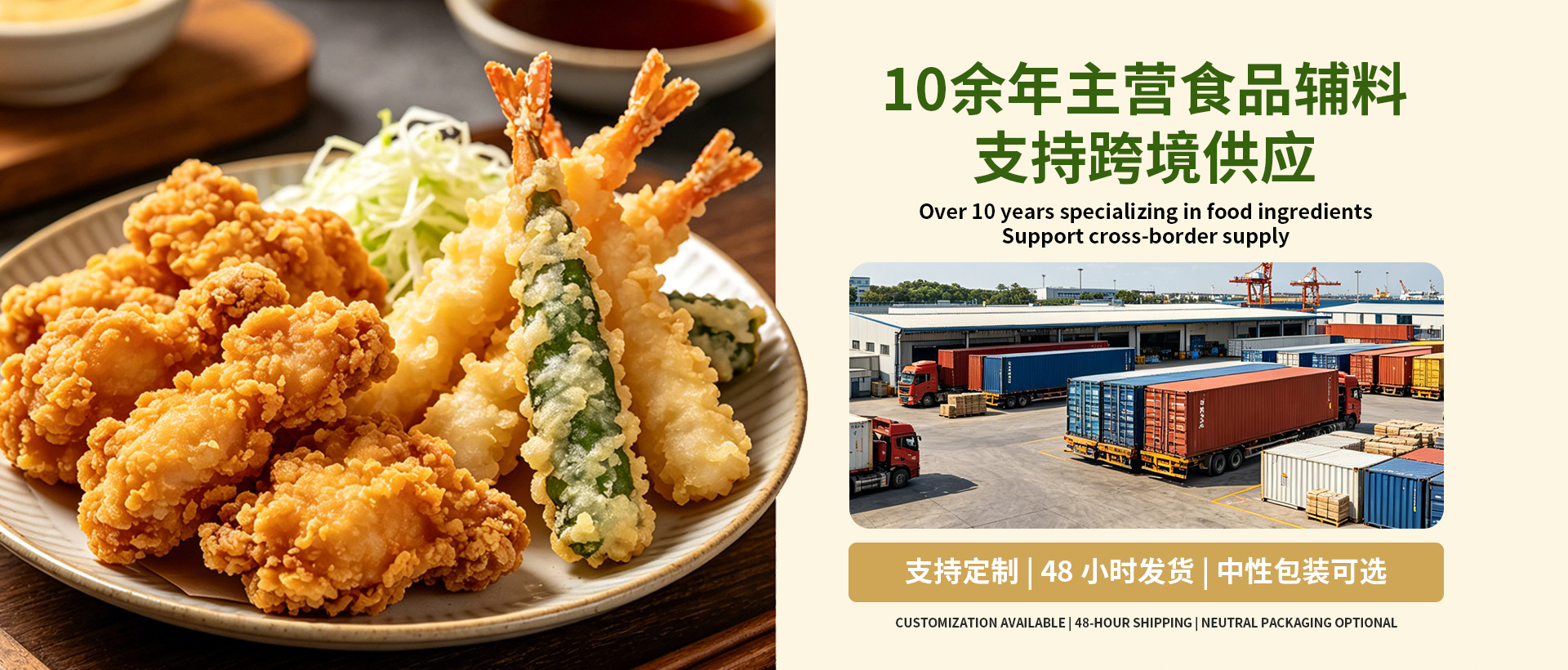
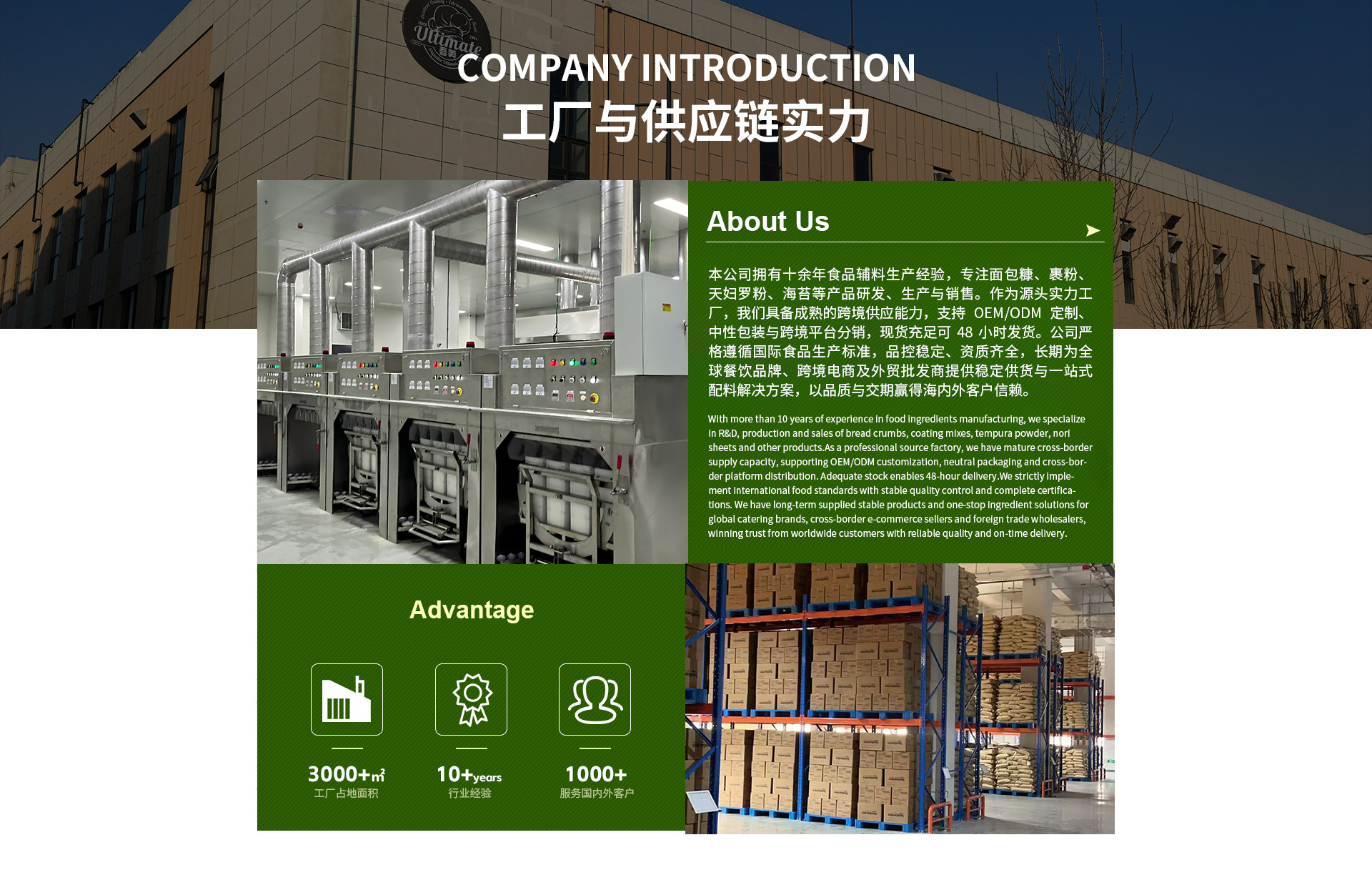
Beijing Haining Times Technology Co., Ltd. (北京海宁时代科技有限公司) is a leading, source-level manufacturing enterprise specializing in commercial food machinery and consumer-facing electronic appliances. With autonomous manufacturing credentials and highly mature export capability, we support B2B clients across the globe. Our factory maintains large, ready-to-ship inventories of key products such as automated noodle machines, commercial ice cream makers, and integrated kitchen processors, enabling rapid delivery cycles for volatile markets.
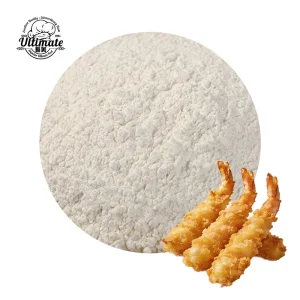
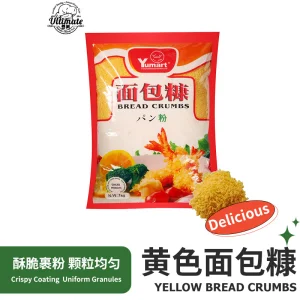
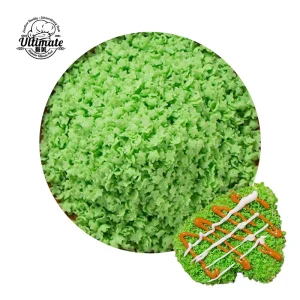
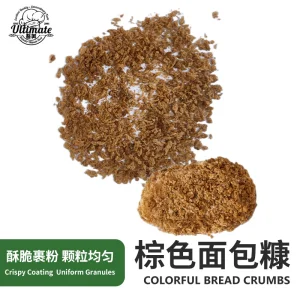
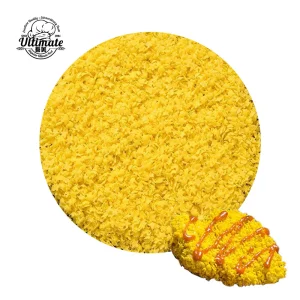
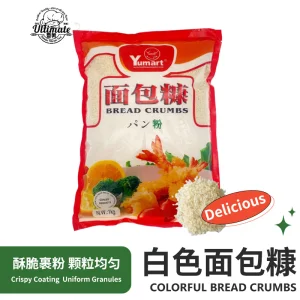
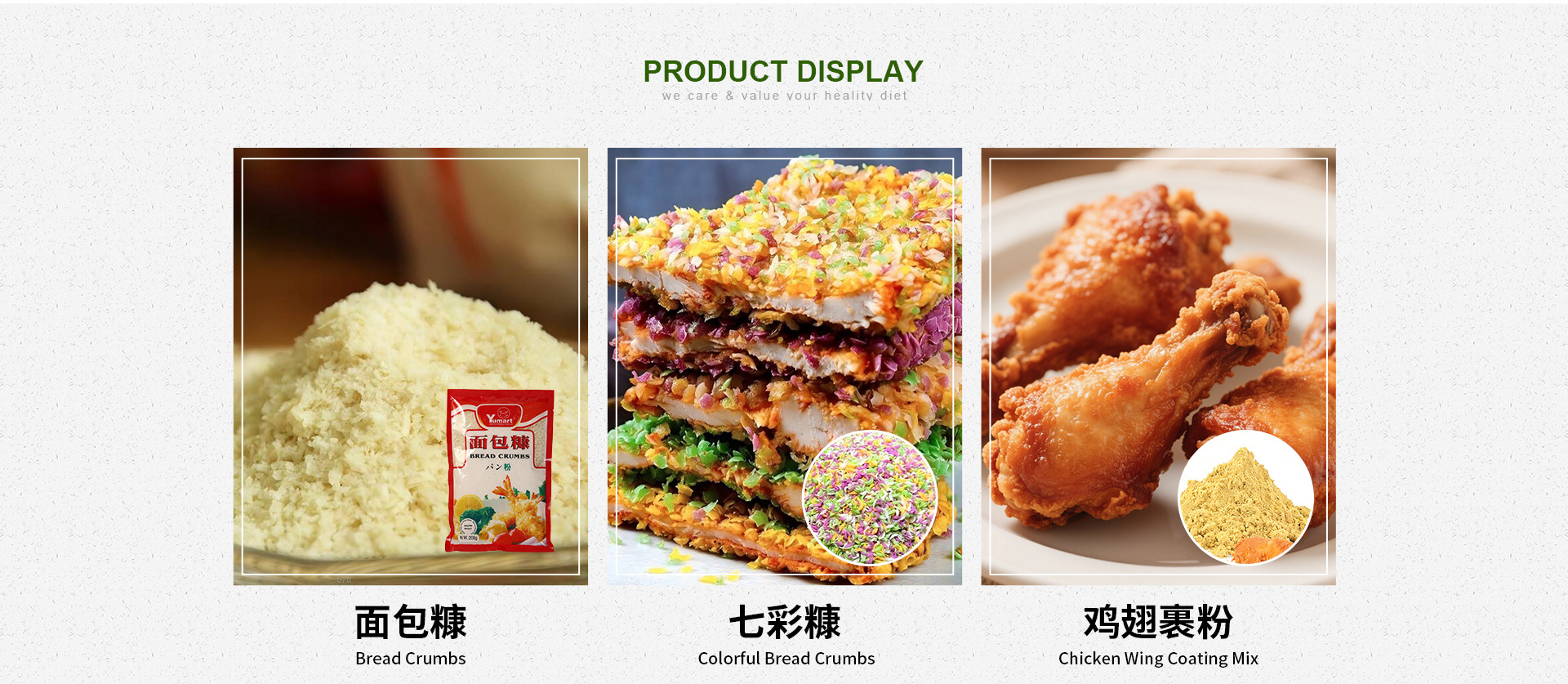
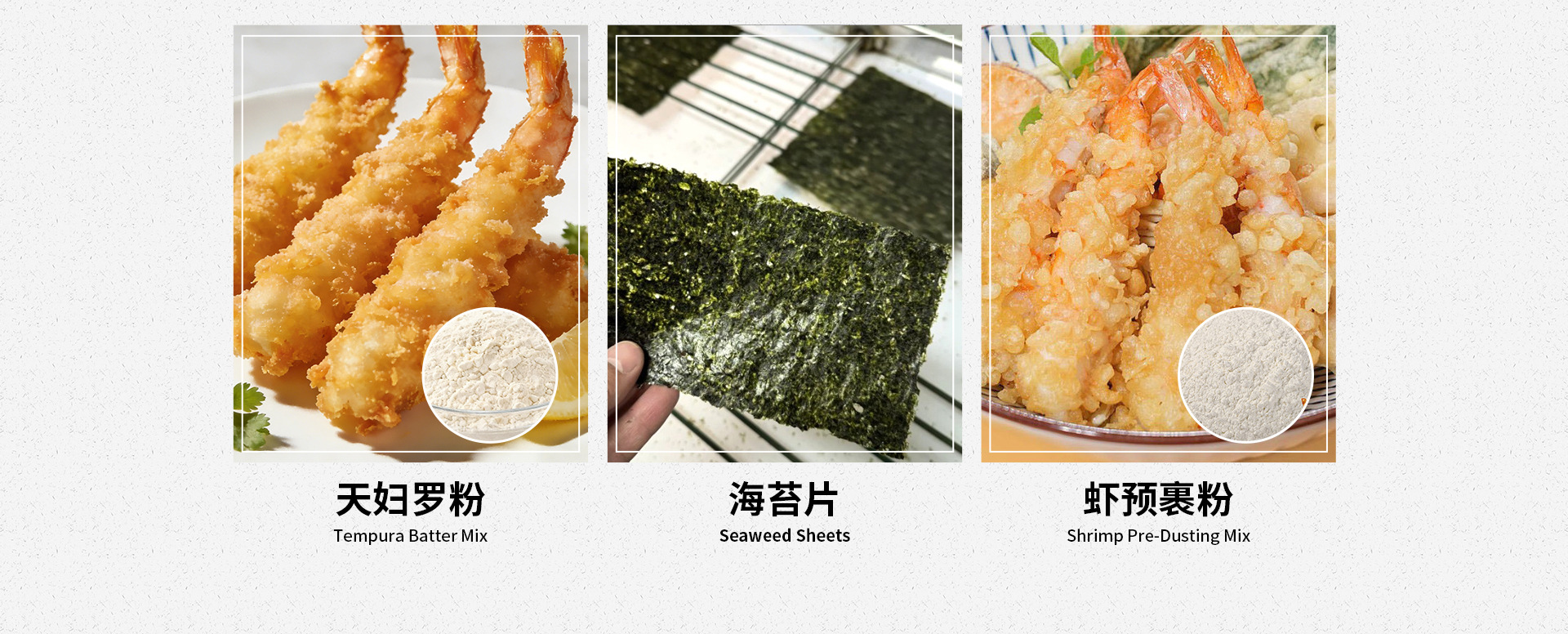
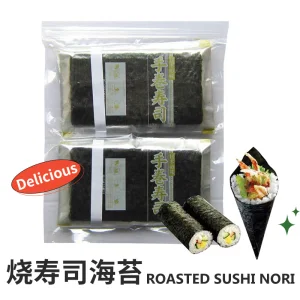
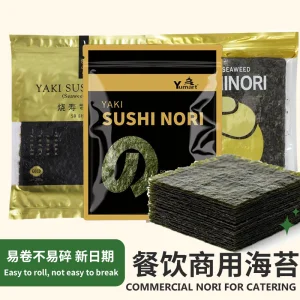
Beyond standard machinery, we excel in providing turnkey OEM/ODM customization services tailored to foreign importers, catering chains, and private labels. By blending state-of-the-art machinery fabrication with comprehensive raw ingredient sourcing—such as our line of white and yellow breadcrumbs, seaweed, and specialized batters—we help businesses build fully optimized food preparation loops. Our proven performance history and robust logistics infrastructure guarantee that B2B buyers receive consistent, high-standard equipment and ingredients compliant with international export regulations.
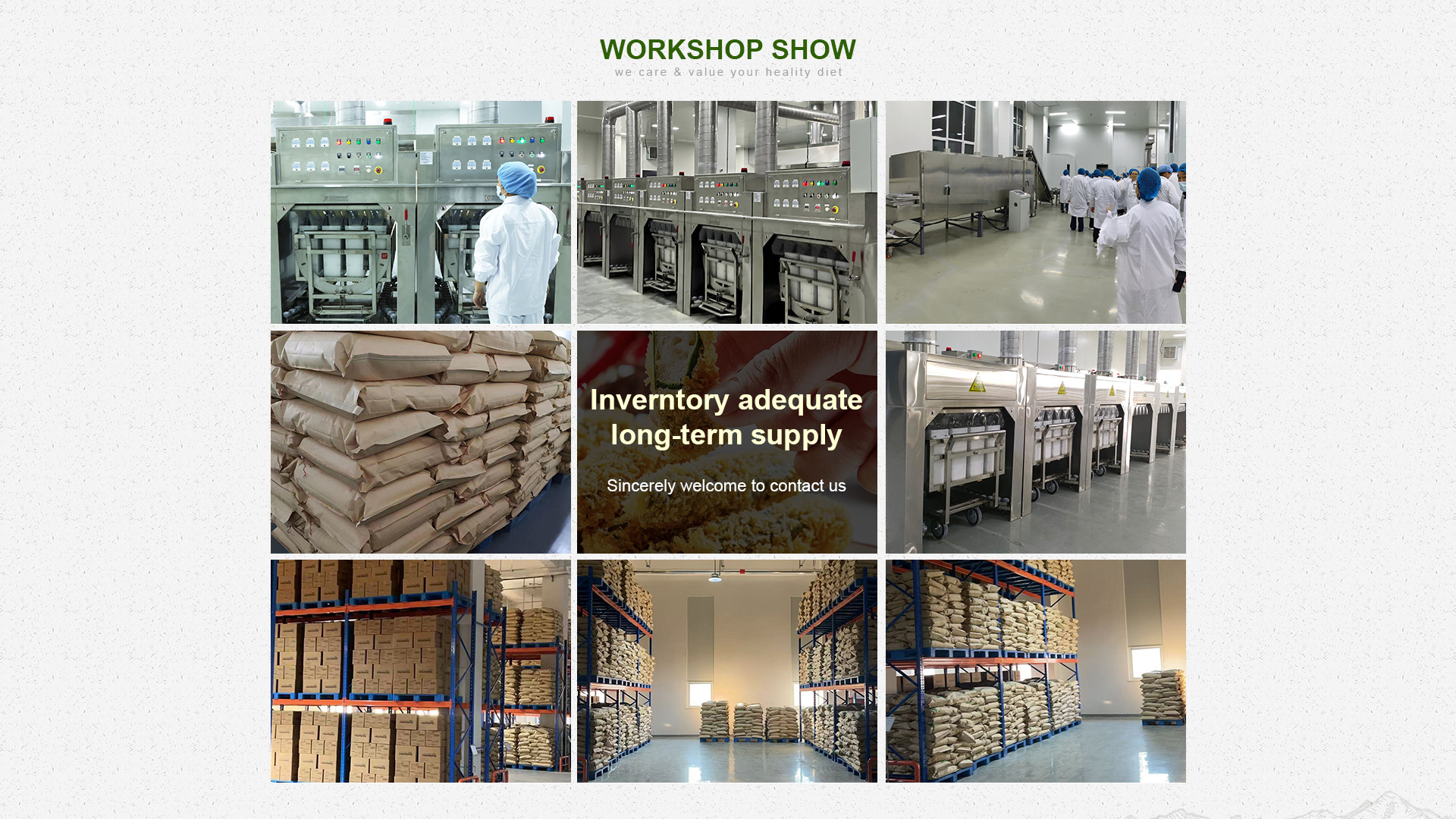

A look inside the automation sequence, structural physics, and thermodynamics governing modern instant noodle assembly lines.
Flour is fed pneumatically into high-speed mixers. Water enriched with alkaline salts (kansui) is sprayed evenly to achieve a targeted moisture level of 32-35%. This precise ratio optimizes gluten matrix generation.
The dough passes through successive rollers, compressing into a uniform sheet. Dynamic aging conveyors allow the gluten networks to relax, preventing structural cracking during downstream high-temperature processing.
Slicing rolls cut the sheet into noodles, which are slowed down on a conveyor to form the iconic wave pattern. The waves are steam-heated to 100°C for 2-3 minutes, achieving over 90% starch gelatinization.
Noodles undergo rapid frying in vegetable oil at 140°C-150°C, or hot-air drying at 85°C. Frying leaves tiny pores that allow rapid water absorption later, while hot-air drying yields a low-fat, dense noodle. A cooling tunnel then lowers product temperature below 40°C for final packaging.
Connecting industrial food preparation machinery with foundational baking and breading formulations.
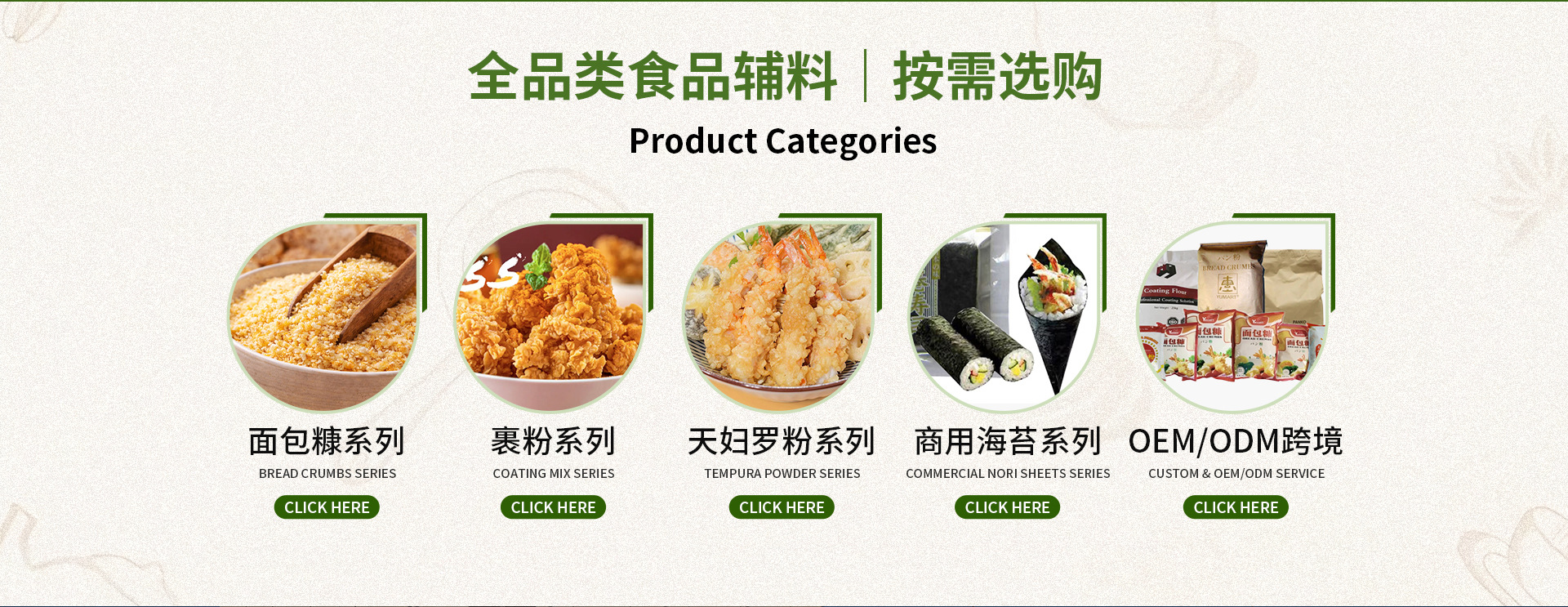
A major bottleneck for growing food brands is fragmenting their vendor network. Working with one supplier for noodle-making machines, another for processing ingredients, and a third for coating systems introduces operational friction. Beijing Haining Times Technology resolves this by acting as a single-source partner. Our capability spans heavy machinery construction as well as a diverse catalog of commercial ingredients, including specialized breadcrumbs, coating starches, and food powders.
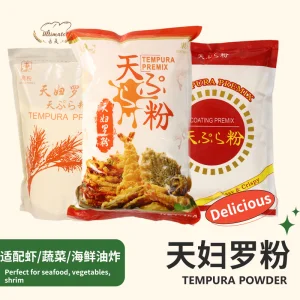
For example, industrial manufacturers producing pre-packaged meal kits or convenience noodles often require crispy protein toppings (such as tempura shrimp, katsu cutlets, or fish cakes). By integrating our commercial-grade Wumei Tempura Powder and crescent-shaped white breadcrumbs into the production planning phase, brands can easily synchronize their noodle packaging with high-volume protein coating lines. This unified supply chain lowers procurement costs, simplifies international logistics, and ensures consistent quality control.
Modifying formulations and mechanical systems to meet regional dietary laws and target consumer preferences.
Focuses on high-elasticity noodle profiles and robust seafood broths. Requires precise control over kansui ratios and alkaline mixing speeds. Packaging ranges from convenient single-serve cups to family bundle packs.
Strong demand for Halal-certified ingredients and high-speed processing lines. Vegetable oil frying must use certified palm oil, and all raw ingredients must be free of trace animal derivatives.
High demand for non-fried, low-fat instant noodles, plant-based protein infusions, and eco-friendly paper packaging. Formulas prioritize low sodium, organic wheat, and gluten-free starch bases.
Anticipating technological advances in resource conservation, plant-based proteins, and AI-driven quality control.
The next era of global food manufacturing centers on resource conservation and data integration. High-efficiency factories are adopting Closed-Loop Oil Filtration Systems to minimize oil degradation and waste during the frying phase. Additionally, waste steam recovery systems reclaim heat from steaming chambers, pre-heating incoming dough water and reducing total factory energy consumption by up to 15%. Implementing these technologies helps manufacturers stay ahead of strict carbon emission standards.
On the formulation side, artificial intelligence is helping developers match taste and texture profiles faster. By analyzing starch hydration rates under varying temperatures and pressures, AI modeling helps create non-fried noodle formulas that replicate the texture and mouthfeel of traditional fried varieties. Brands using these advanced tools can bring new products to market faster while maintaining clean labels and nutritional values.
Answers to common operational, formulation, and commercial questions from procurement directors and product developers.
Premium breadcrumbs, specialized seaweeds, and industrial coating solutions for foodservice, processing plants, and B2B suppliers.

 Baking Supplies