
The global green tea market has transcended its traditional status as a simple hot beverage. Today, it stands as a cornerstone of the modern functional food, pharmaceutical, and clean-label cosmetic sectors. Driven by growing consumer demand for natural antioxidants, particularly epigallocatechin gallate (EGCG), global B2B procurement of bulk green tea and high-purity green tea extracts is experiencing unprecedented growth.
In today's food, beverage, and nutritional industries, green tea serves as a key raw ingredient for products ranging from RTD (Ready-To-Drink) beverages to functional matcha ice creams and green tea-infused culinary breading systems. Global sourcing directors are no longer looking just for suppliers; they are looking for high-tech agricultural processing partners who can guarantee traceability, chemical pesticide-free cultivation, stable active ingredient profiles, and secure logistics channels.
This comprehensive industry whitepaper provides an in-depth analysis of the top green tea manufacturing landscapes globally. It highlights the major players, examines how China’s Industry 4.0 factories are reshaping the global supply chain, and offers a strategic framework for commercial food service chains and industrial buyers to optimize their ingredient sourcing.
The global shift toward wellness and functional nutrition has led to structural changes in green tea agriculture and extraction. Global procurement requires a detailed understanding of three key trends:
The demand for micro-milled matcha powders has grown rapidly in the culinary and beverage sectors. This fine powder is integrated into baking systems, modern RTD lattes, and premium crispy food coatings to enhance flavor profiles and visual appeal.
Industrial buyers now require exact specifications for catechins, L-theanine, and caffeine levels. Modern green tea extraction facilities use chromatography to customize polyphenol ratios based on client needs.
Strict European Union and USDA regulations on pesticide residues (such as anthraquinone and glyphosates) require manufacturers to invest in organic agricultural zones and advanced water-extraction techniques.
China remains a leader in green tea production, driven by a transition toward Factory 4.0 standardizations. Traditional, labor-intensive pan-firing and sun-drying methods have been upgraded with high-tech automated processing facilities. This technology enables steady product quality across thousands of hectares of high-altitude farms.
These smart factories use advanced technologies to maintain product quality. Dry heat-fixation systems use real-time infrared temperature sensors to deactivate enzymes without scorching the leaves. Electrostatic color sorters automatically filter out foreign objects and lower-grade leaves, ensuring purity and consistency.
Additionally, automated grinding technology protects delicate tea leaves from heat damage during the milling process. This preservation of nutrients and vibrant color is essential for premium baking mixes, noodle powders, and crispy food coatings.
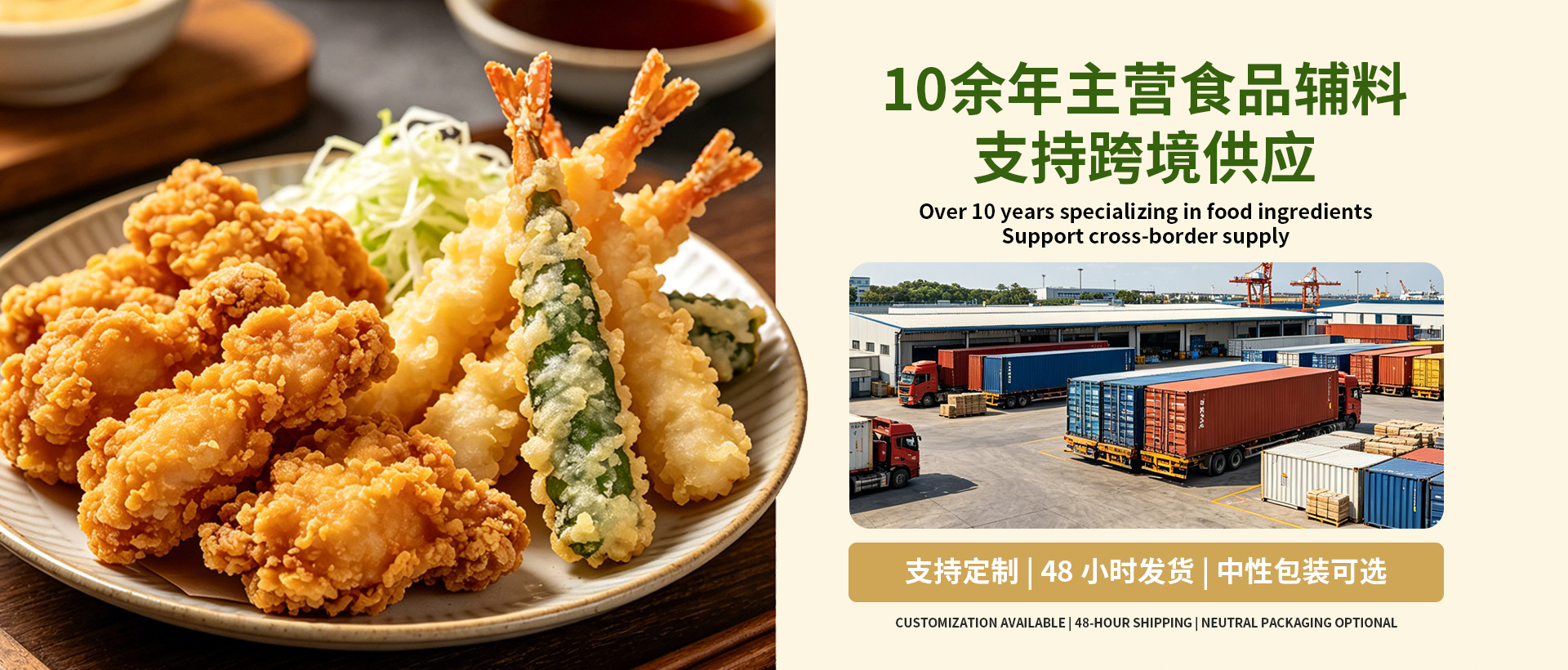
Leveraging China's manufacturing ecosystem, strategic partners like Beijing Haining Shidai Technology Co., Ltd. (北京海宁时代科技有限公司) support the food and beverage industry. They bridge the gap between agricultural raw materials and modern food service establishments by supplying advanced commercial machinery.
北京海宁时代科技有限公司 is a source manufacturer specializing in consumer electronics and commercial food equipment. With independent manufacturing qualifications and mature export capabilities, the company maintains a large inventory of core products, including commercial noodle machines and ice cream machines. These machines support steady global delivery and quick order fulfillment for food service chains.
The company offers comprehensive OEM/ODM customization services to meet the distinct needs of cross-border clients, catering brands, and individual businesses. Their manufacturing expertise and reliable supply chain support the commercial preparation of green tea-infused products, such as matcha-infused noodles and green tea ice creams, worldwide.
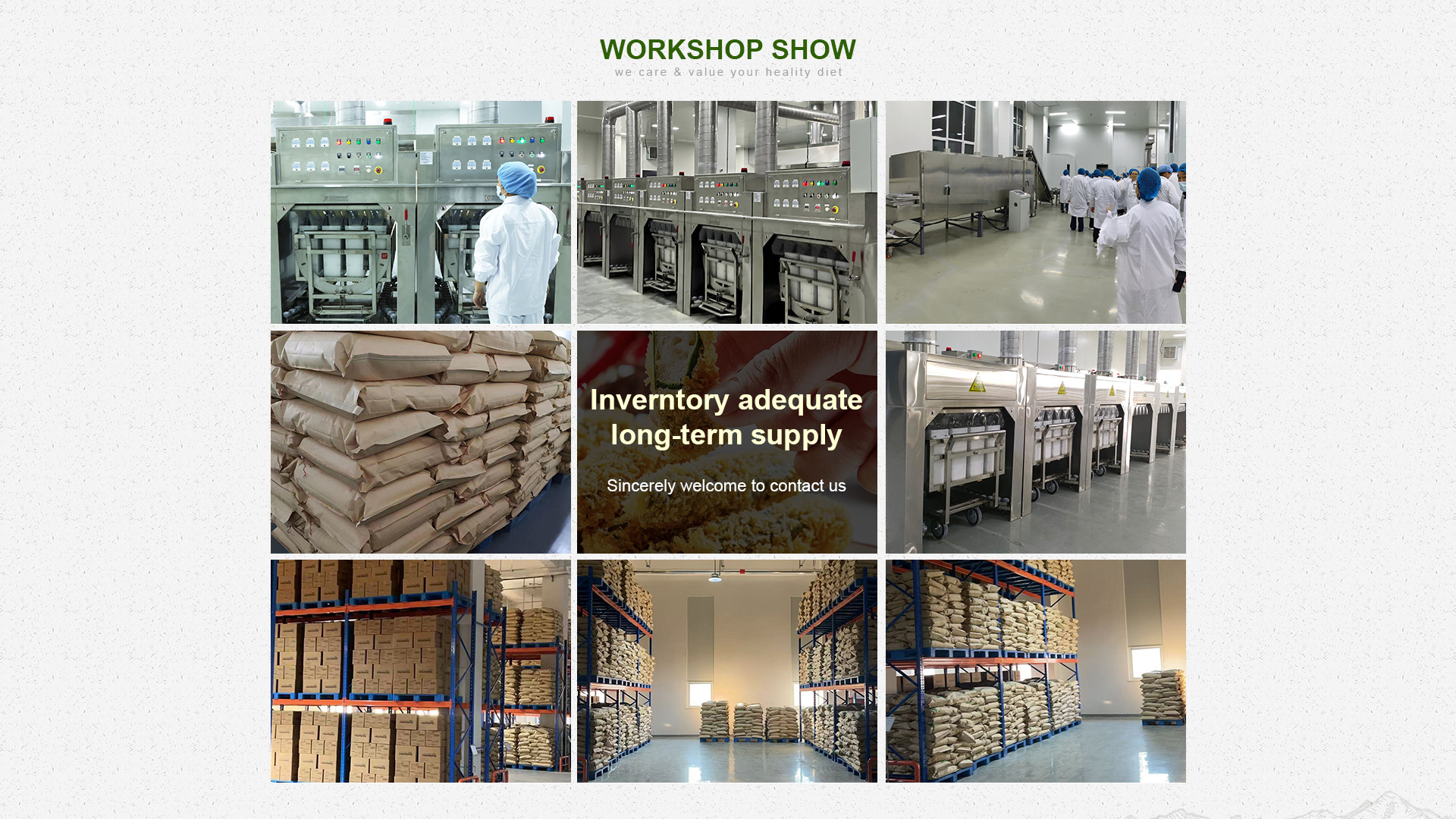

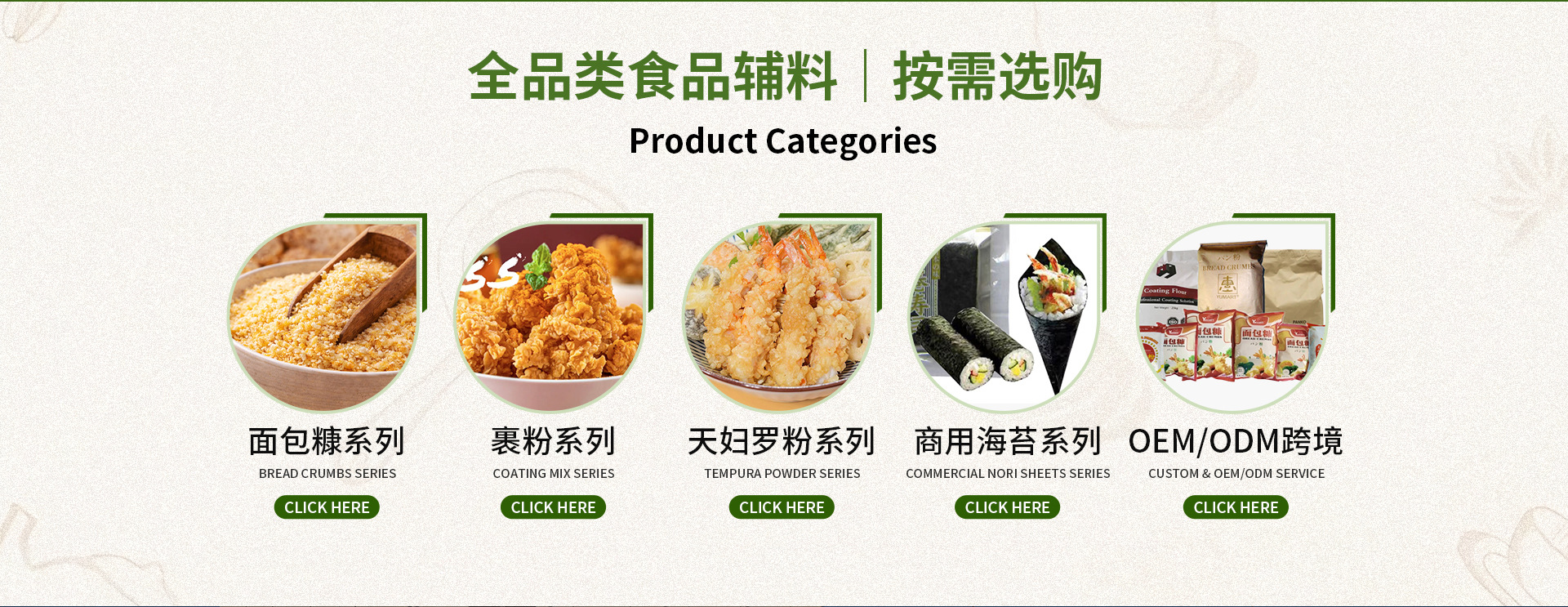
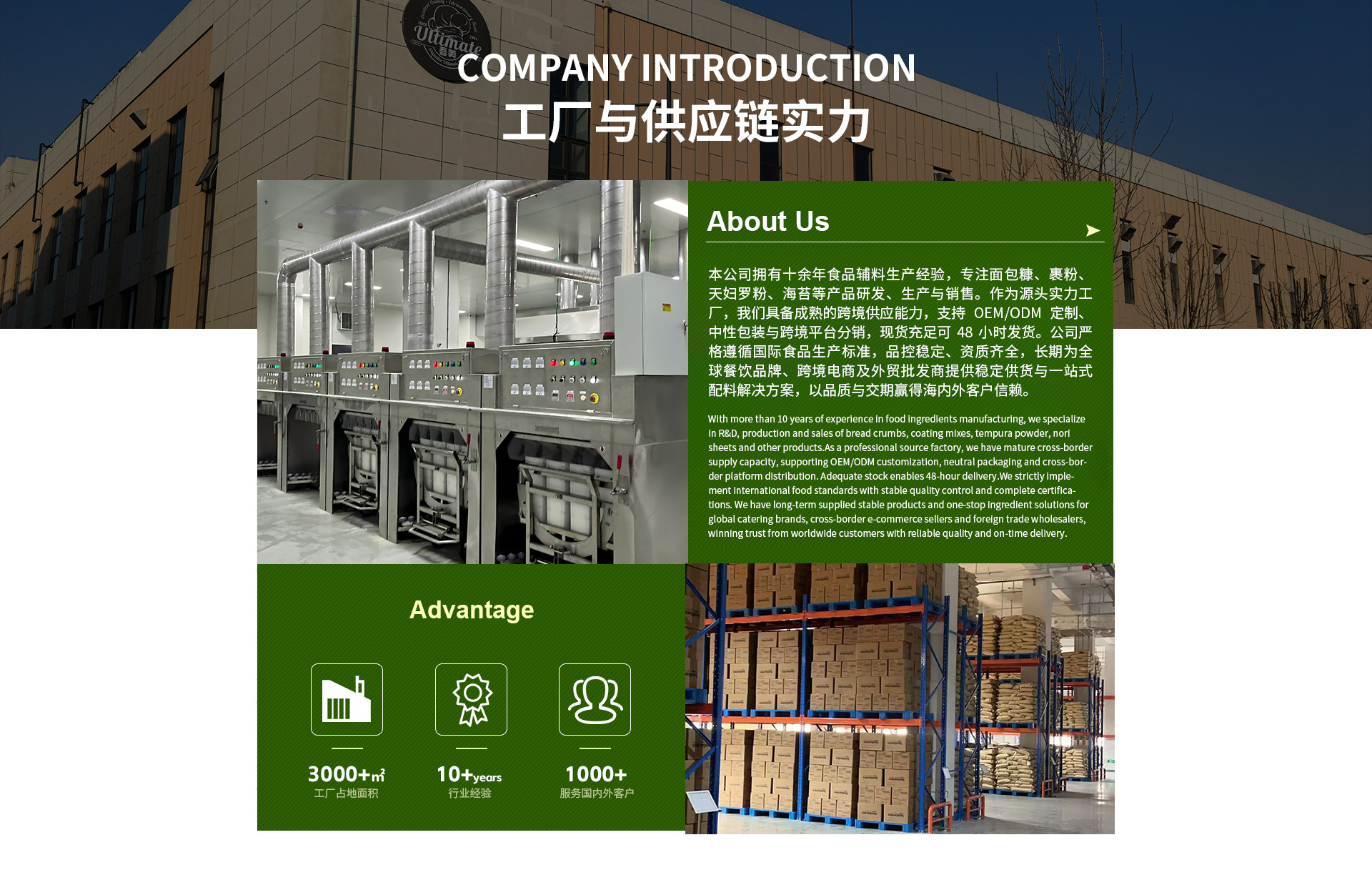

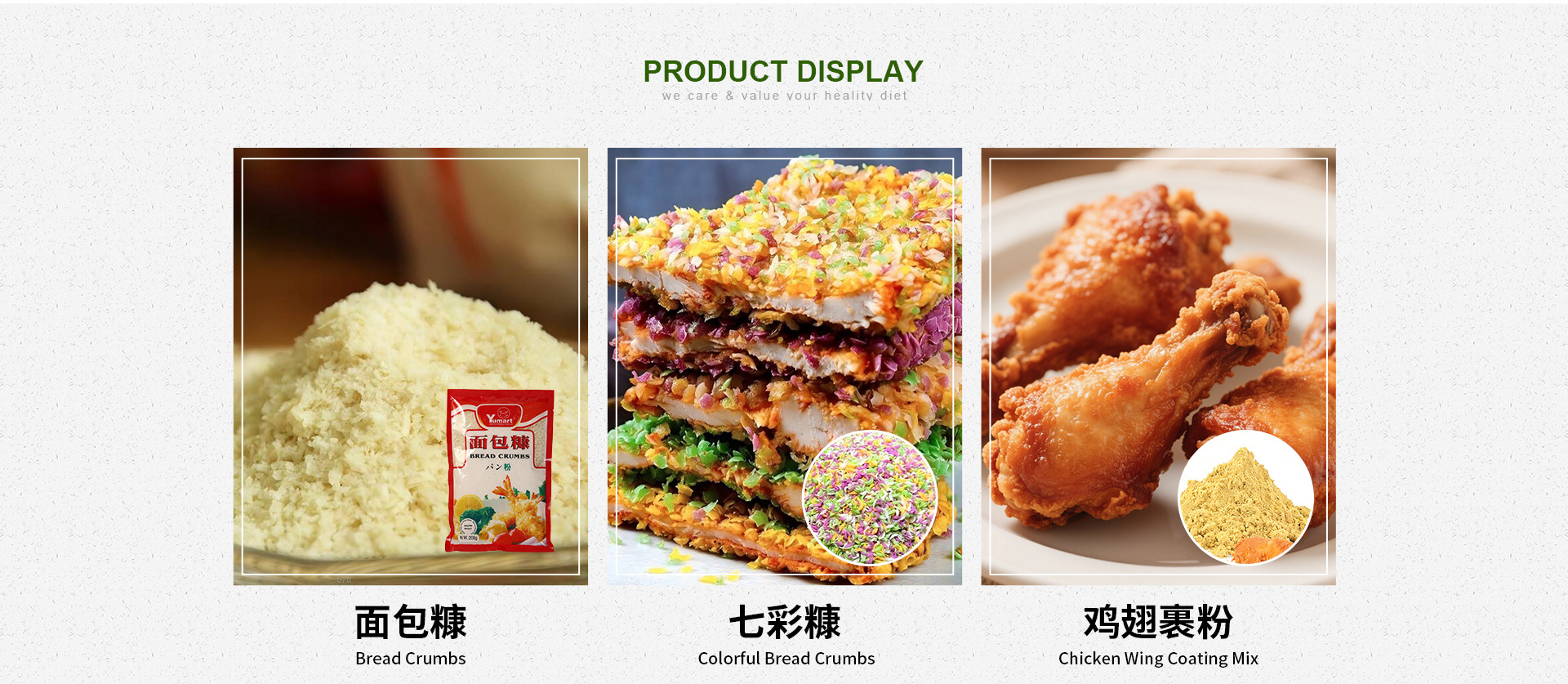
Understanding the regional expertise of global green tea suppliers helps B2B buyers match their target product specifications with the right manufacturer.
| Manufacturer Region/Type | Core Product Strengths | Processing Technology | Main Target Markets |
|---|---|---|---|
| 1. Zhejiang High-Altitude Cooperatives (China) | Bulk Gunpowder Green Tea, organic Sencha base | High-capacity automated drum pan-firing | Europe, North America, North Africa |
| 2. Shizuoka Precision Mills (Japan) | Premium culinary & ceremonial Matcha | Traditional stone milling + automated jet mills | Global high-end cafes, cosmetic brands |
| 3. Hunan Organic Plant Extracts (China) | Standardized EGCG & Polyphenol extracts | Supercritical CO2 & membrane water filtration | Nutraceutical & functional beverage brands |
| 4. Uji Specialty Estates (Japan) | Gyokuro, premium Tencha raw materials | Deep canopy shading, high-humidity steam fixation | Premium food service, artisanal tea brands |
| 5. Anhui Mountain Plantations (China) | Chunmee green tea, customizable loose-leaf grades | Traditional roasting styles adapted for high capacity | Middle East, Central Asia distribution |
| 6. Fujian Jasmine-infused Specialty (China) | Scented green tea bases, Jasmine pearls | Controlled ambient scenting chambers | Bubble tea chains, specialty beverage brands |
| 7. Assam & Darjeeling Green Tea Estates (India) | Full-bodied orthodox green teas | CTC and gentle rolling configurations | United Kingdom, Commonwealth countries |
| 8. Nilgiri High-Elevation Growers (India) | Mild, fragrant green teas with low astringency | Continuous conveyor steam-drying | North American RTD blending facilities |
| 9. Ceylon Green Tea Producers (Sri Lanka) | Bright, citrusy profiles for flavored tea bags | Rotary hot air roasting | Middle East, Russian Federation, EU markets |
| 10. Shaanxi Bio-extract Manufacturers (China) | Instant green tea powder, water-soluble bases | Low-temperature spray drying & freeze drying | Convenience beverage, functional food sectors |
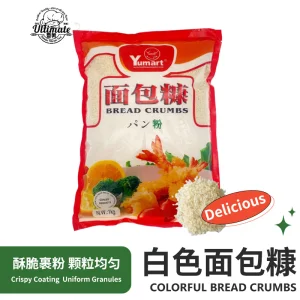
Green tea extracts and fine matcha powders are increasingly integrated into food coating and processing systems to meet clean-label, functional food trends.
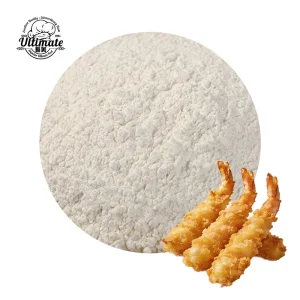
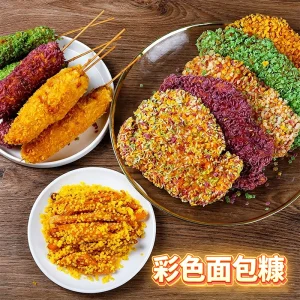
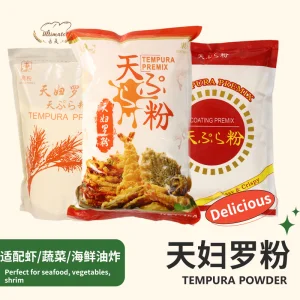
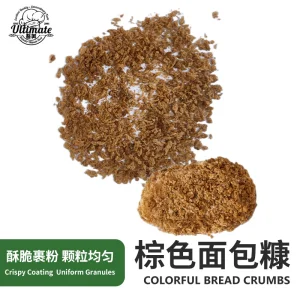
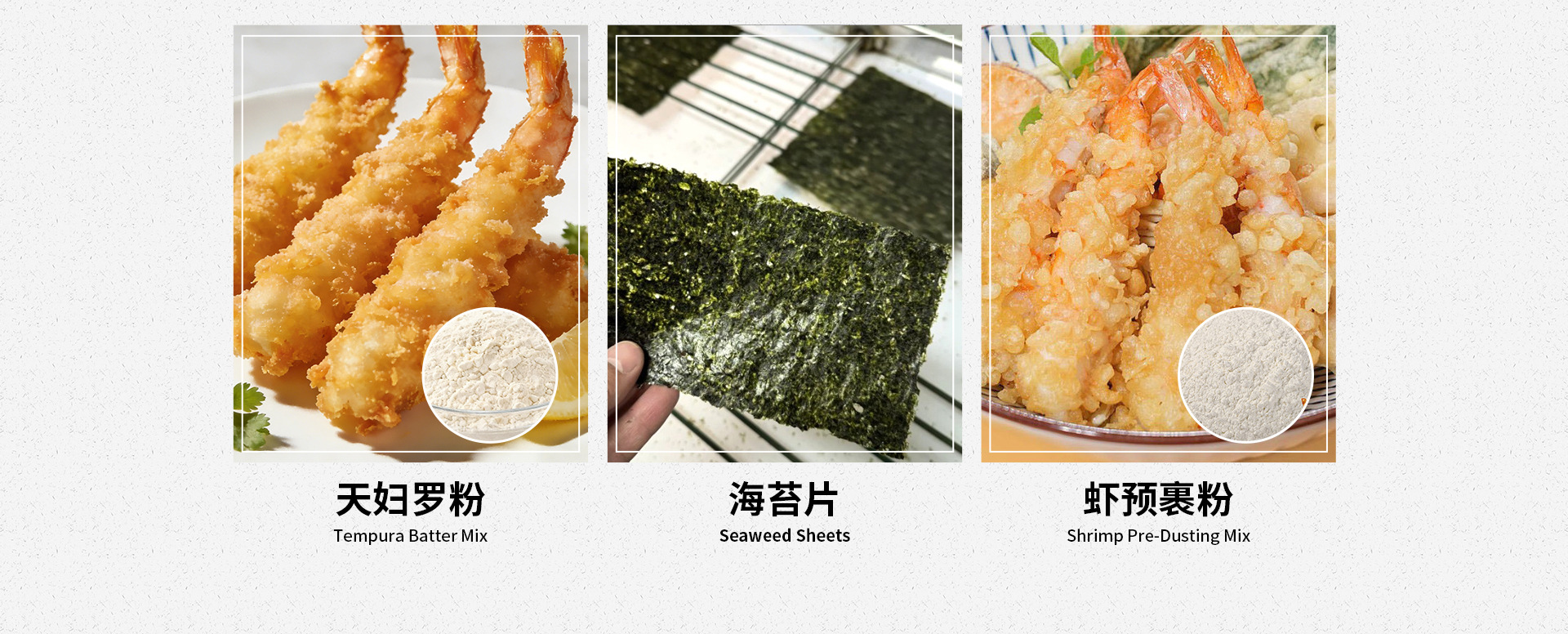
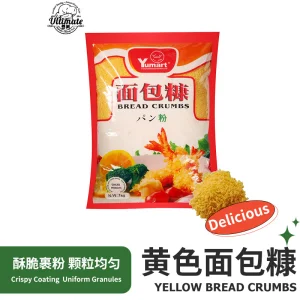
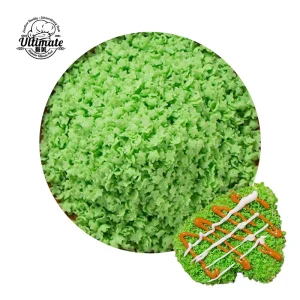
In modern commercial food service, combining dry coating systems with green tea flavors is a popular trend. For example, incorporating green tea powder into Japanese-style tempura mixes or crescent breadcrumbs yields a visually appealing, slightly bitter coating that balances the oiliness of fried proteins. This combination is widely used in high-volume catering chains, fusion restaurants, and industrial food manufacturing plants.
To achieve consistent quality, high-volume production of green tea-infused foods requires reliable industrial equipment. Automated noodle makers, like those supplied by Beijing Haining Shidai Technology Co., Ltd., are used to blend matcha powder evenly into noodle dough. This ensures consistent color and flavor distribution. Similarly, commercial ice cream machines are optimized to process high-viscosity matcha bases, preventing crystallization and ensuring a smooth texture in soft-serve products.
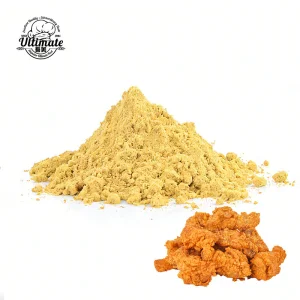
Integrating matcha and green tea extracts into Tempura coatings and breadcrumbs for fried fish, poultry, and vegetable snacks. This adds a unique color, a subtle tea flavor, and appeals to health-conscious diners.
Using commercial soft-serve ice cream machines to produce green tea soft-serves and using automated noodle machines to create fresh, tea-infused signature noodles for menu differentiation.
Bulk sourcing of frying powders, colored breadcrumbs, and standardized instant green tea powders to manufacture shelf-stable, ready-to-fry products for supermarkets and food service buyers.
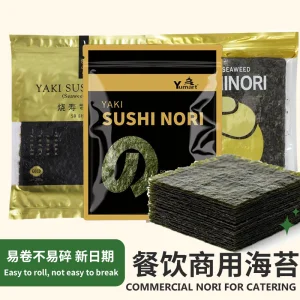
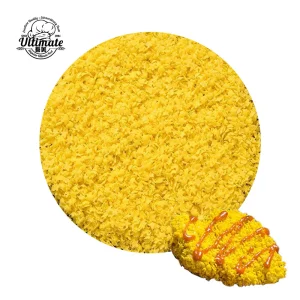
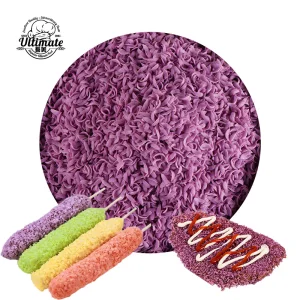
When sourcing raw green tea materials or specialized ingredients globally, quality assurance and specification compliance are critical. Procurement teams should implement a multi-step evaluation framework:
The primary difference lies in the fixation method (de-enzyming). Japanese green teas (such as Sencha and Matcha) are typically steamed, which preserves a grassy, umami flavor profile and vibrant green color. Chinese green teas (such as Gunpowder and Longjing) are pan-fired or roasted, resulting in a nuttier, more floral flavor and a yellow-green hue. Steamed teas are often preferred for bright green confectionery coatings, while pan-fried teas are commonly selected for RTD bottled drinks.
Procurement teams should require third-party laboratory certifications (such as SGS, Intertek, or Eurofins) for every batch. The documentation must verify that pesticide residue levels fall below the Maximum Residue Limits (MRLs) set by the importing nation (e.g., USDA Organic, EU Regulation 396/2005). Establishing direct trade agreements with vertically integrated growers helps ensure traceability from farm to factory.
For bakery products, ice creams, and coating batters, a particle size of 10-15 microns is ideal. Finer powders disperse evenly in liquid suspensions, preventing grittiness and ensuring consistent coloration. If the particle size is too large, the powder may settle at the bottom of mixing vats, leading to uneven flavoring and color spots in the final product.
Bulk shipments should be packaged in multi-layer aluminum foil bags, vacuum-sealed with nitrogen flushing to prevent oxidation. These bags are typically packed in heavy-duty corrugated cartons or fiber drums. For high-purity extracts, desiccant packs are essential to prevent moisture absorption and clumping during transit across different climates.
Matcha or green tea extracts can be blended into pre-dust frying powders or applied as a topical seasoning to crispy breadcrumbs. The formulation must be carefully balanced to prevent the tea from burning at standard frying temperatures (typically 175°C to 190°C). Working with experienced coating manufacturers allows you to customize the batter viscosity and crumb density to protect the delicate flavor and green color of the tea.
 Baking Supplies