Direct supply of high-volume specialty coating systems, functional powders, and structured raw materials for global distribution pipelines.
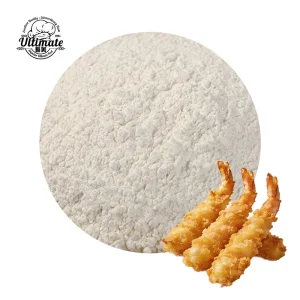
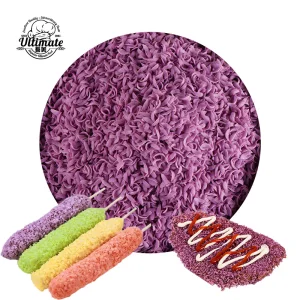
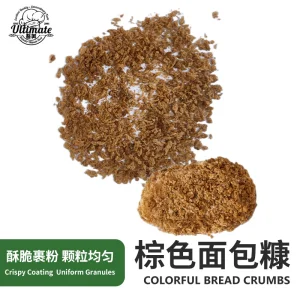
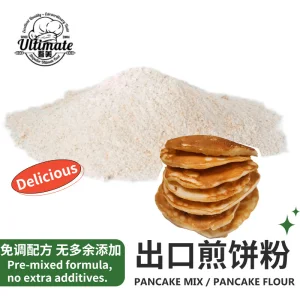
The industrial food manufacturing landscape is heavily reliant on structured liquid carbohydrates, widely categorized under food-grade starch hydrolysates or syrups. China has established itself as the global epicenter for raw agricultural starch refinement (primarily derived from premium yellow maize, wheat, and cassava). By converting these complex polymers into specialized monosaccharides and disaccharides through advanced enzymatic degradation, Chinese factories offer an extensive catalog of liquid sweeteners. These products include high-fructose corn syrups (HFCS), liquid maltose, glucose syrups, and customized sugar-free options such as maltitol and sorbitol. These products are crucial for setting viscosity parameters, maintaining relative sweetness levels, and preventing unwanted crystallization in finished food items.
In modern industrial applications, syrups do not merely function as sweetening agents. They act as critical texturizers, binding mediums, humectants, and enzymatic substrates. For export-oriented food producers, securing a reliable flow of raw syrup materials with strict Brix, DE (Dextrose Equivalent), and pH consistency is vital to ensuring product shelf stability and flavor integrity. As global logistics networks navigate post-pandemic restructuring, B2B food buyers are prioritizing supply chains that integrate both advanced ingredient chemistry and machinery compatibility.
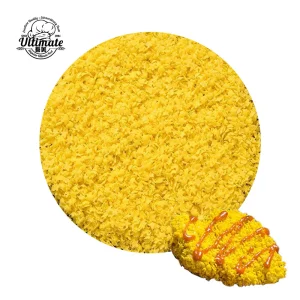
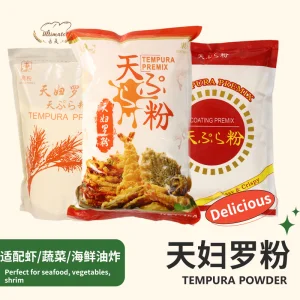
Information Gain Concept: High-performance starch syrups from China are increasingly utilized in synergy with specialized food coating systems (such as Tempura and Panko breading lines) to optimize dry-mix adhesion, control Maillard reaction rates (browning profiles), and reduce moisture absorption during structural frying processes.
Starch-derived syrups are categorized by their Dextrose Equivalent (DE) values. Low-DE glucose syrups (typically DE 20–38) supply high viscosity, low hygroscopicity, and superior binding strengths. They are indispensable in structural food applications, such as the formulation of commercial batter binders and pre-dust systems. Medium-DE syrups (DE 40–58) offer a balanced sweet-to-viscous profile, serving as the foundational ingredient in beverage manufacturing, canned preserves, and confectionaries. High-DE alternatives (DE 62 and above) act as powerful fermentable bases, high-solubility humectants, and moisture controllers.
| Syrup Type | DE Range | Primary Function | Standard Commercial Application |
|---|---|---|---|
| Liquid Maltose Syrup | 35 - 55 | Mild sweetness, high viscosity, crystallization inhibition | Bakery glazing, confectionery mass, industrial food coatings |
| High Fructose Syrup (F-42/F-55) | N/A (Fructose 42%-55%) | High relative sweetness, moisture control, rapid solubility | Soft drinks, commercial dairy products, canned preserves |
| Glucose Syrup (Liquid Starch) | 38 - 60 | Texturizing, freezing point depression, binding agent | Ice cream bases, hard candy, sauce thickening |
| Low-DE Maltodextrin Liquid | 10 - 20 | Viscosity enhancer, dry-basis carrier, humectant | Commercial gravies, soup bases, batter pre-dust mixes |
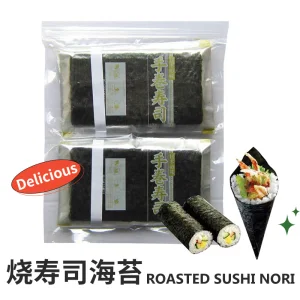
A major bottleneck for food processing lines in regions like Southeast Asia, North America, and Eastern Europe is the calibration mismatch between bulk sweeteners and operational food processing machinery. Beijing Haining Times Technology Co., Ltd. resolves this industrial challenge. While maintaining standard export channels for dry-mix coatings (such as panko, tempura powders, and seaweed sheets), the company leverages its strong machinery manufacturing background—specifically commercial-scale noodle machines and ice cream dispensers—to provide integrated raw material and machine calibration solutions.
For example, in commercial soft-serve ice cream production, the ratio of liquid glucose to dry dairy solids dictates the overrun and freezing-point depression. A slight variation in the syrup’s dextrose equivalent can cause crystallization, leading to equipment failure or a gritty mouthfeel. By sourcing calibrated syrups and starches alongside robust food machinery, processors achieve consistent output quality and reduce machinery downtime. This approach ensures optimal production line output, whether utilizing heavy-duty noodle extrusion gear or high-speed mixing lines.
How China exporters leverage strict biochemical controls, automated refining, and global food certifications to guarantee quality.
By employing double-enzyme saccharification methods, modern production facilities carefully monitor syrup filtration, maintaining precise control over dry matter content and carbohydrate distributions.
All raw sweetener streams comply with international food regulations, including HACCP, ISO 22000, Kosher, and Halal, ensuring clean and seamless clearing through global customs check-points.
We provide comprehensive OEM/ODM services, adjusting viscosity, color profiles, Brix density, and packaging modes (drums, IBC totes, or flexitanks) to match client specifications.
The manufacturing paradigms of starch-based syrups are shifting from conventional acid hydrolysis processes toward sophisticated continuous enzymatic conversions. Acid hydrolysis often resulted in side products like 5-hydroxymethylfurfural (5-HMF) and dark-colored complexes, which lowered the purity of the end-product. The continuous double-enzyme saccharification method now standard in major Chinese factories addresses this issue. This process utilizes heat-stable alpha-amylase and glucoamylase to target specific starch glycosidic bonds. As a result, exporters can guarantee low color value (less than 10 RBU) and exceptionally low ash content (under 0.1%).
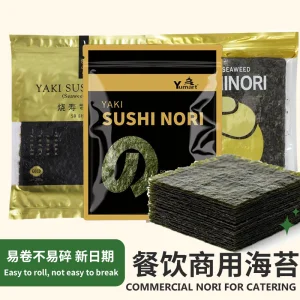
This purity directly translates to a clean flavor profile, ensuring that when the syrup is integrated with delicate food structures, it does not overpower the natural taste of the food matrix. For instance, in sushi nori sheets or seasoned seaweed layers, low-impurity maltose syrups act as cohesive glazes. They prevent micro-cracks in dried sea vegetables without introducing an off-flavor aftertaste.
Globally, consumer preferences are transitioning toward low-calorie and reduced-sugar profiles. To support this trend, Chinese syrup manufacturers have scaled up the production of hydrogenated starch hydrolysates (HSH), primarily liquid maltitol and sorbitol. These ingredients provide the bulk structure, mouthfeel, and crystallization control of traditional sucrose or high-fructose syrups, but with a low glycemic index and reduced caloric value. Exporters now deliver these non-carcinogenic, low-calorie polyol blends in large packaging formats (250kg drums and 1.3-ton IBC tanks) to global snack food, baking, and condiment manufacturers.
This expansion complements the demand for traditional sweeteners and offers alternative solutions for formulating diabetic-friendly coatings, sugar-free pastries, and low-calorie syrups. Additionally, these alternatives retain the critical hygroscopicity necessary to preserve freshness and prolong the shelf life of retail items.
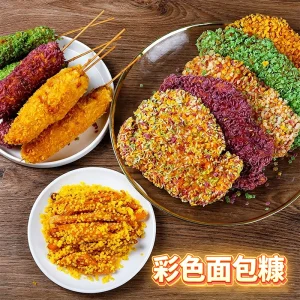
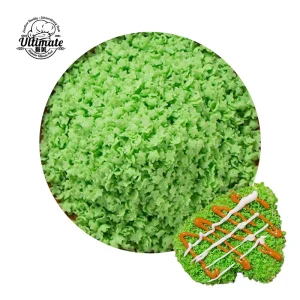
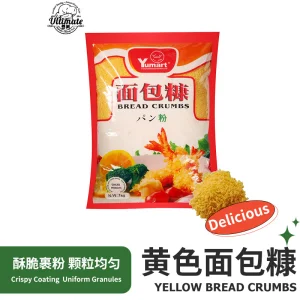
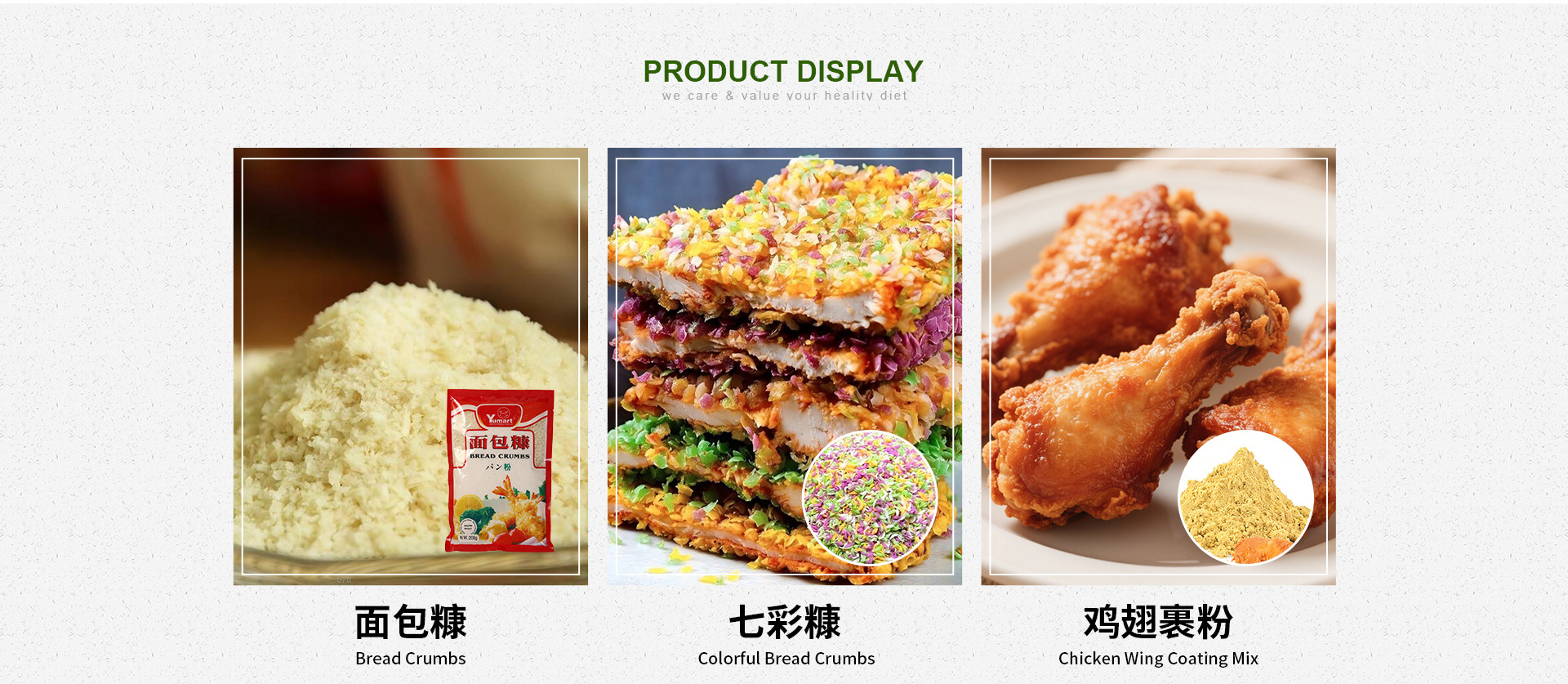
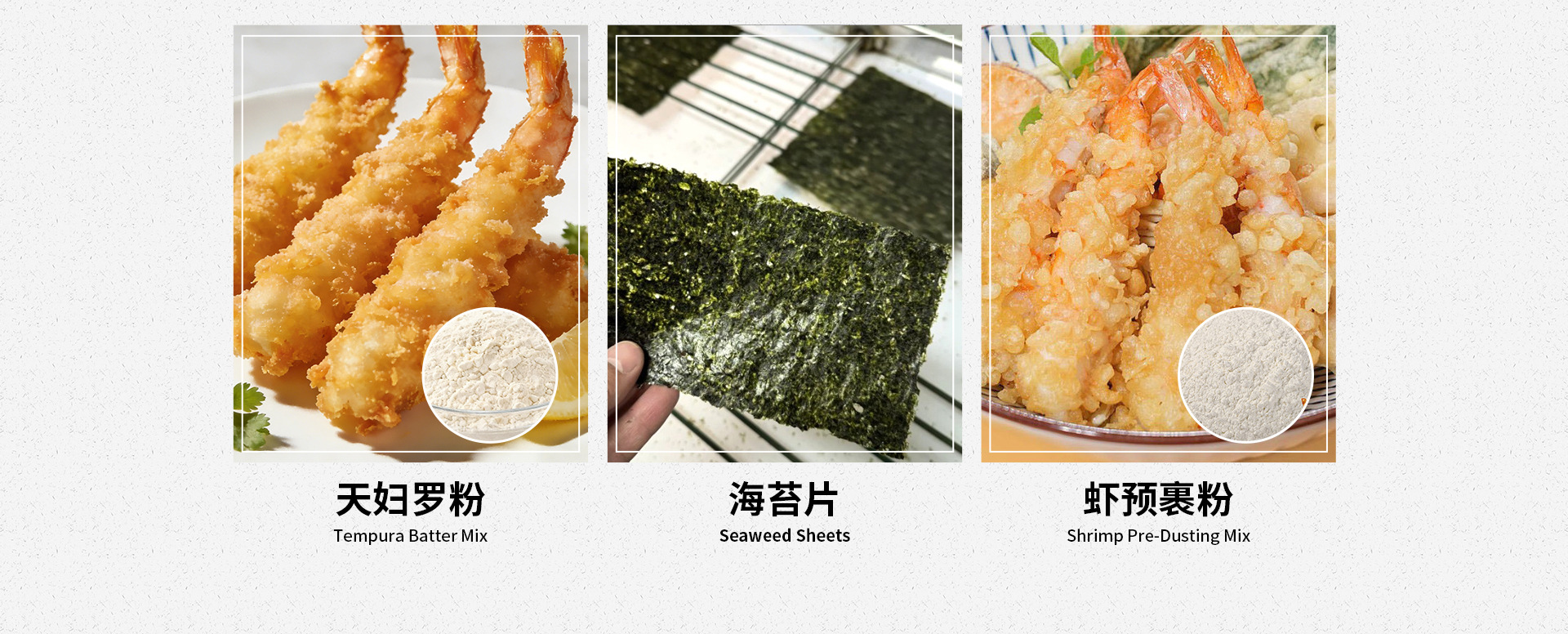
Explore our complete export collection of commercial baking mixes, specialty nori, and breadcrumbs designed for industrial food service operations.

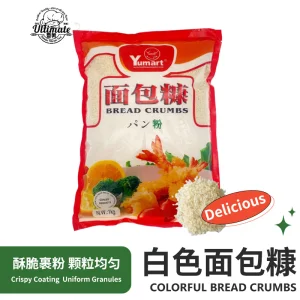
Clear, direct, and expert-reviewed responses to standard technical queries in the B2B starch syrup and food coating export trade.
A premier source manufacturer focusing on consumer electronics, commercial food equipment, and high-performance agricultural export operations.
Beijing Haining Times Technology Co., Ltd. (北京海宁时代科技有限公司) is an export manufacturer specializing in consumer electronics, food processing machinery, and bulk food ingredients. With independent manufacturing qualifications and robust export compliance structures, we maintain a large inventory of core machinery, including commercial noodle machines and soft-serve ice cream dispensers. This guarantees rapid lead times and stable logistics fulfillment for overseas B2B clients.
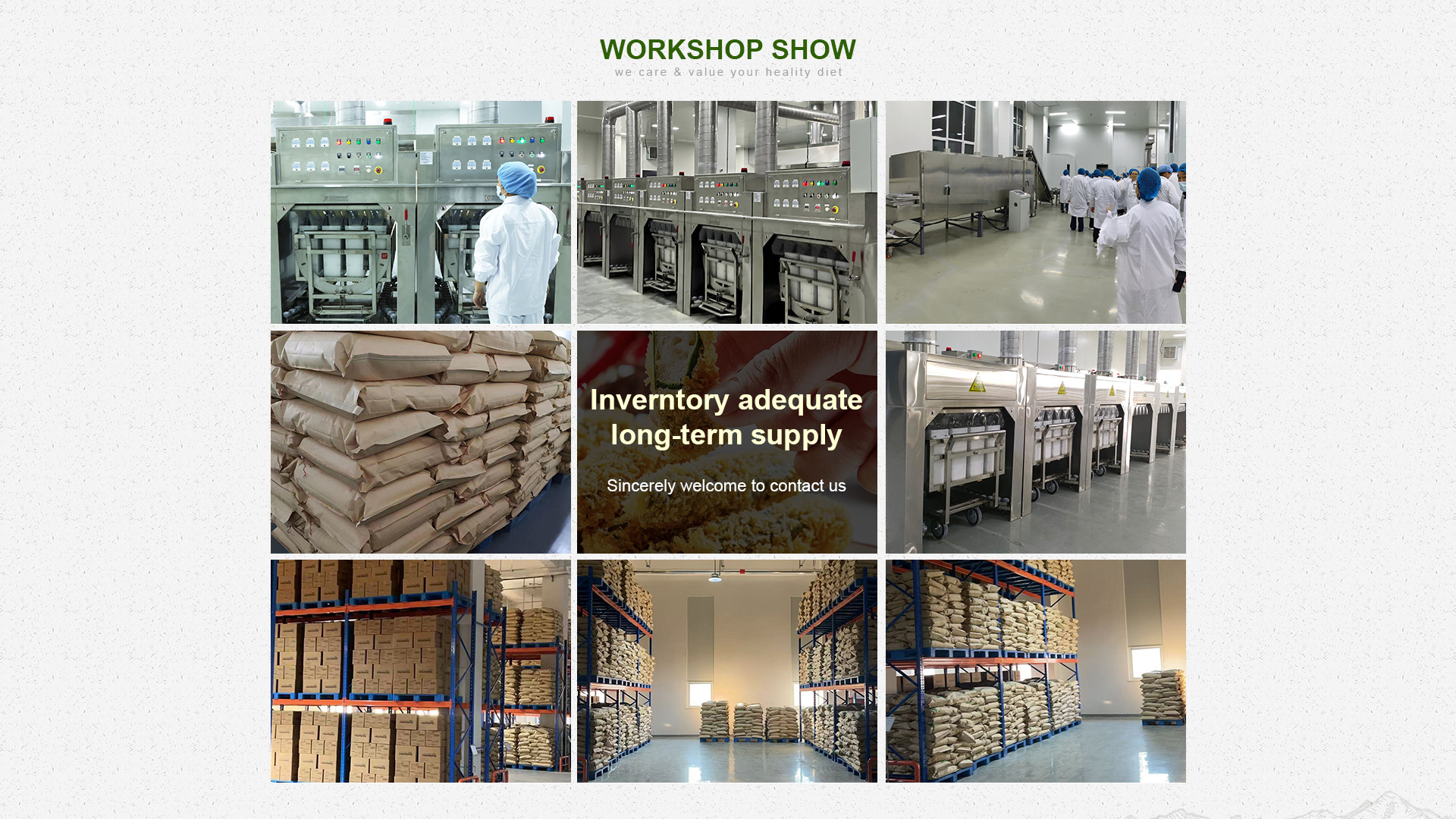
In addition, we provide customized OEM/ODM processing to meet the needs of global distributors and industrial food services. Leveraging our manufacturing experience and integrated supply chain management, we have served diverse business accounts worldwide, establishing a reputation for reliability, quality assurance, and execution consistency. Our production floors feature advanced automated controls that guarantee consistency across all equipment runs and food packaging lines.
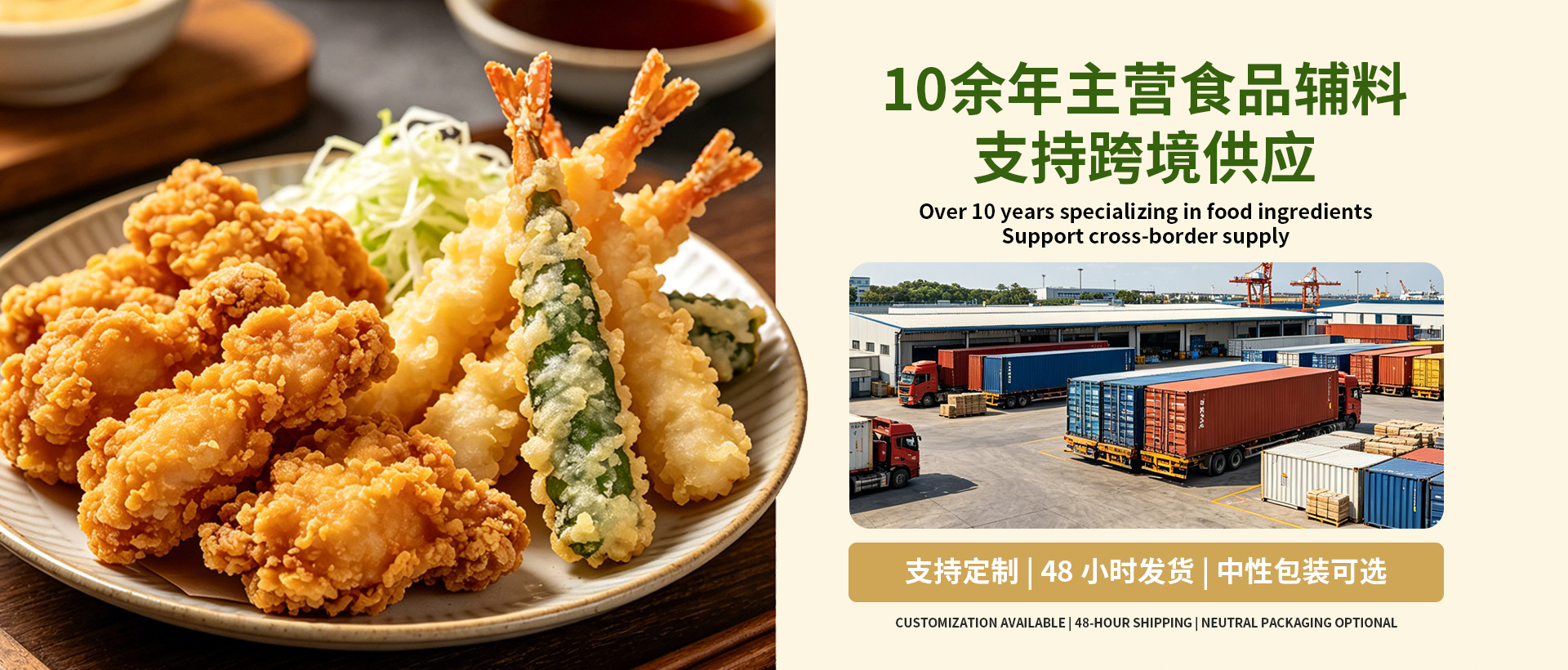

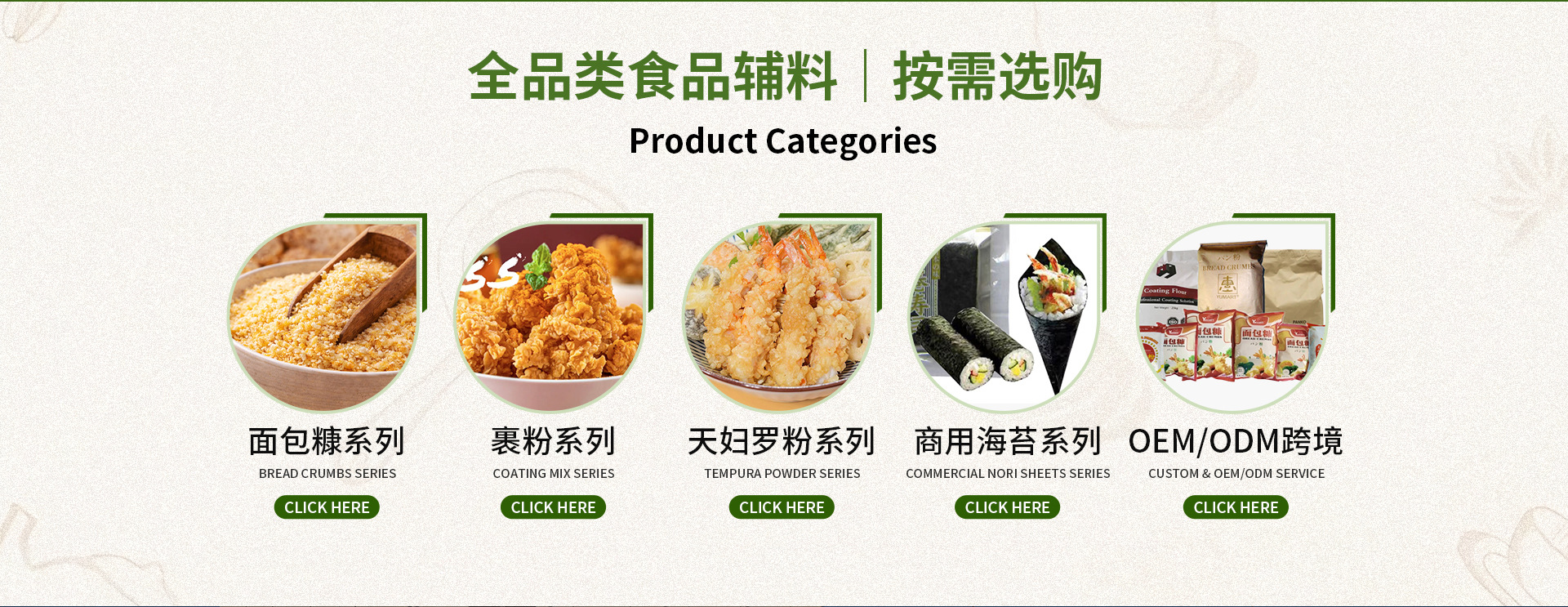
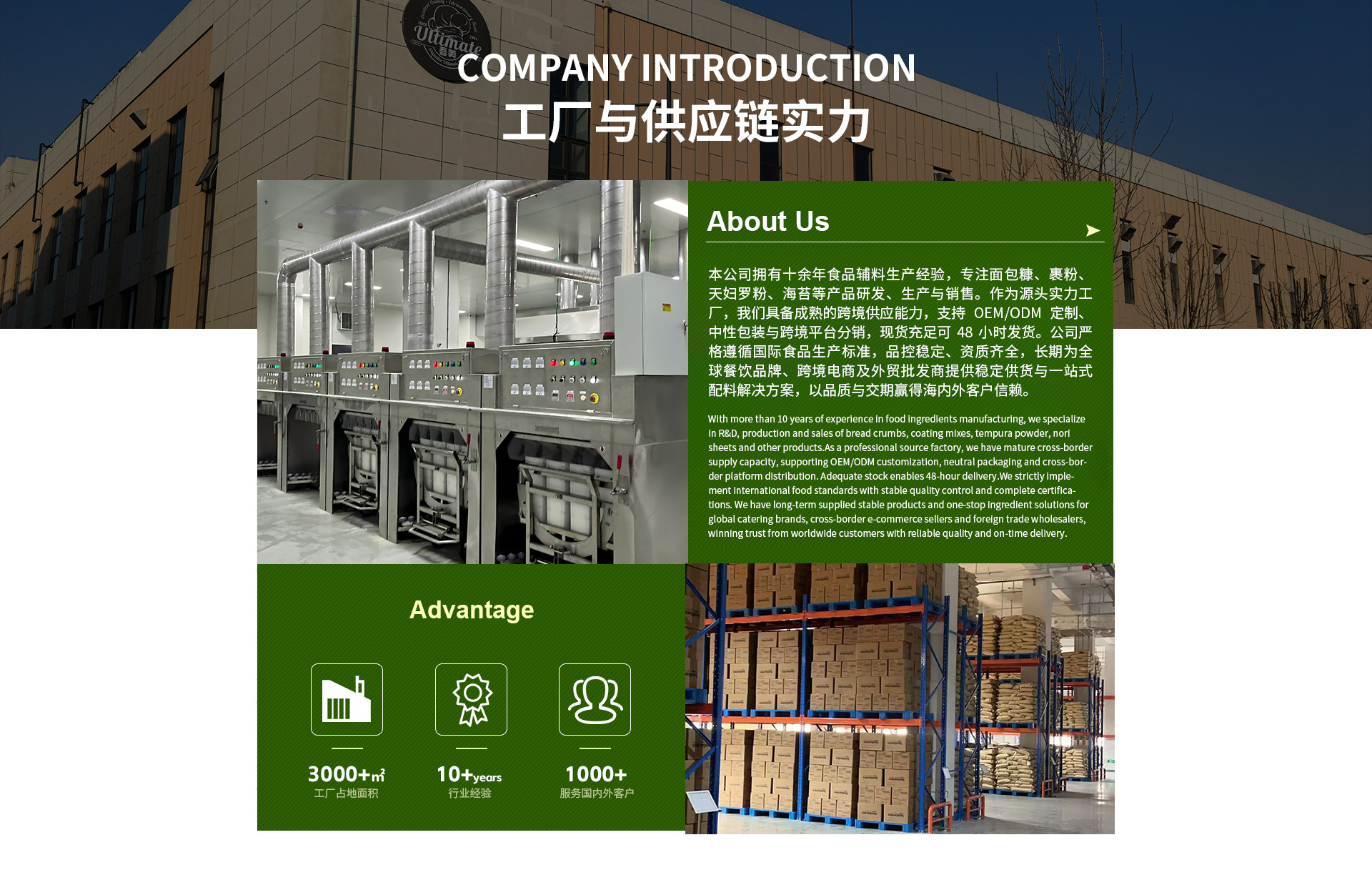

 Baking Supplies