Engineered for high-volume processors, regional caterers, and restaurant supply distributors throughout the Puget Sound region.
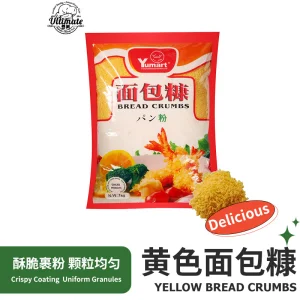
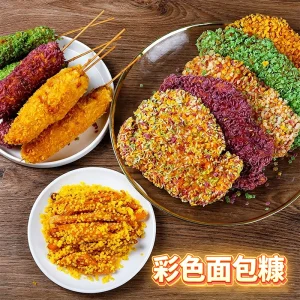
The Seattle metropolitan area, extending from Everett down to Tacoma, represents one of the United States' most dynamic and discerning food manufacturing markets. Driven by a population with a strong preference for clean-label, organic, and allergen-controlled options, commercial bakeries and institutional food processors in the Pacific Northwest face a unique challenge: scaling production volumes while maintaining clean, traceable ingredient lists. Local food brands, quick-service restaurant (QSR) chains, and seafood processors demand functional ingredients that offer exceptional crispiness, uniform coloration, and extended heat-lamp stability without relying on artificial additives.
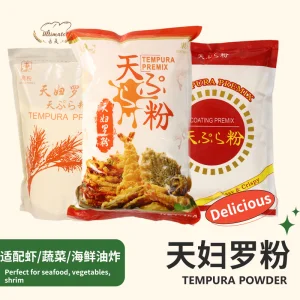
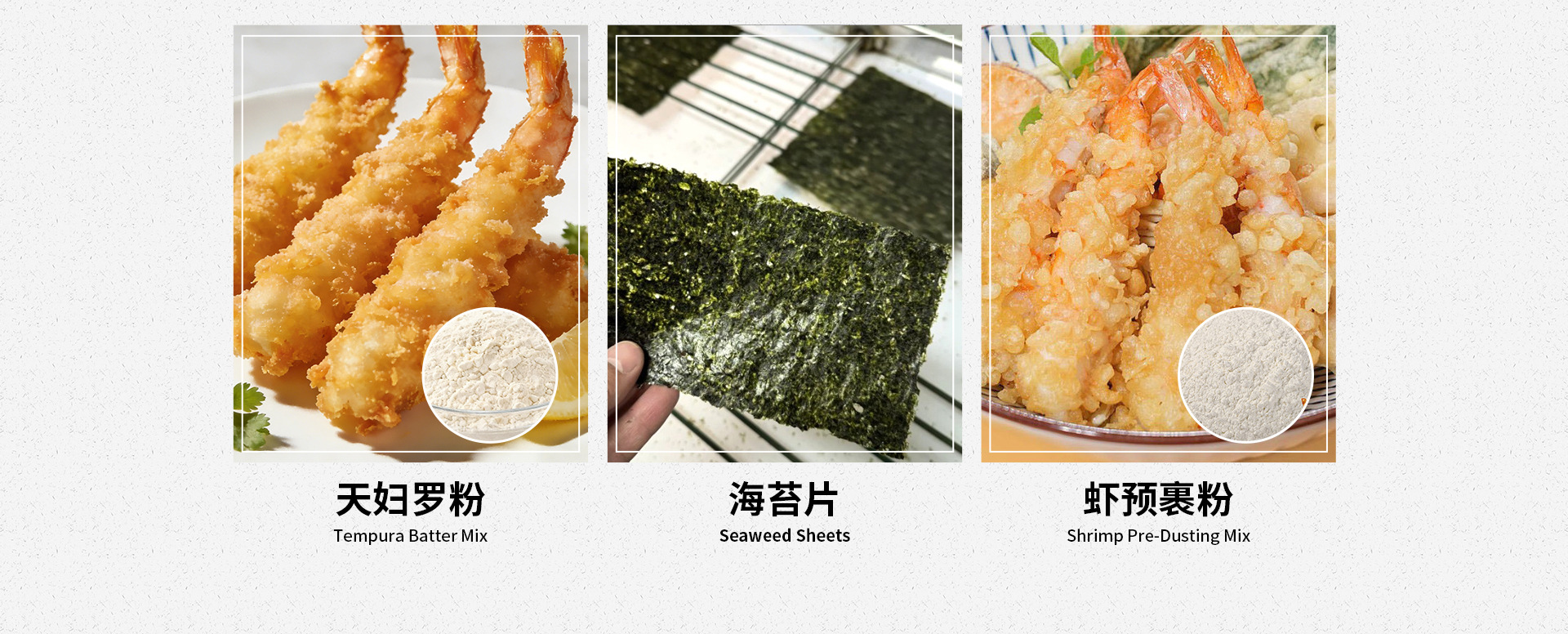
For procurement officers in King and Pierce counties, the focus has shifted from simple transactional purchasing to securing long-term partnerships with manufacturers capable of providing tailored technical support. The demand for specialized coating agents, such as Japanese-style panko and tempura pre-dusts, is particularly elevated due to the region's historical culinary links to Asian cuisines and the concentration of high-volume marine protein processing facilities along the Puget Sound coastline.
Aligning raw material processing with the structural requirements of automated manufacturing environments.
We modify structural proteins and hydration capacity inside our breadcrumbs and flours to control oil absorption levels during large-scale industrial frying lines.
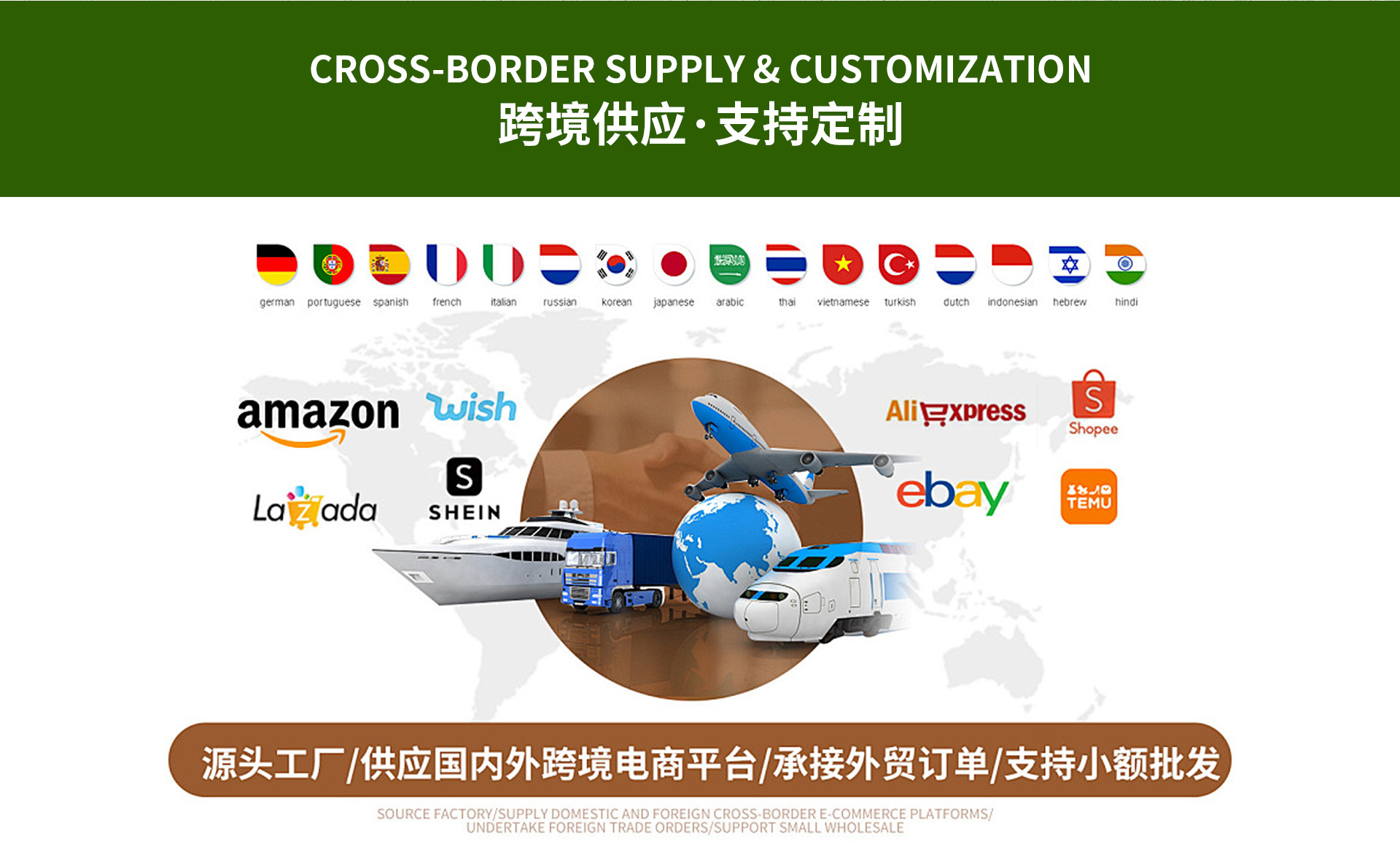
Direct routes from Qingdao to Seattle-Tacoma (NWSA) ports guarantee consistent container flow, insulating buyers from internal rail freight delays.
Every single batch undergoes metal detection, colorimetric analysis, and microbiology screening prior to seal and dispatch.
The science of food coatings has progressed past simple starch dustings. Modern industrial fry lines require coatings that control moisture release to prevent sogginess. We employ specialized heating profiles in our baking process to modify wheat starches, improving cell structure density. This structural enhancement keeps fried products crispy for up to 45 minutes under commercial heating lamps, a vital capability for Seattle's takeout and delivery networks.
Looking ahead, we are exploring clean-label modifications to eliminate synthetic raising agents in pre-dusts. By using natural enzyme combinations and organic starches, our formulations achieve the desired expansion ratio without chemical additives. For food manufacturers in Washington State, this transitions processing lines into clean-label operations, matching the purchasing preferences of retail consumers.
Our manufacturing capacity is supported by an advanced Industry 4.0 smart factory facility. We run automated milling, blending, and packaging systems that minimize human intervention, ensuring consistent products and food safety. By implementing automated control loops throughout the baking and drying stages, we manage humidity and temperatures within tight parameters, producing highly consistent crumb densities and coloring across production runs.
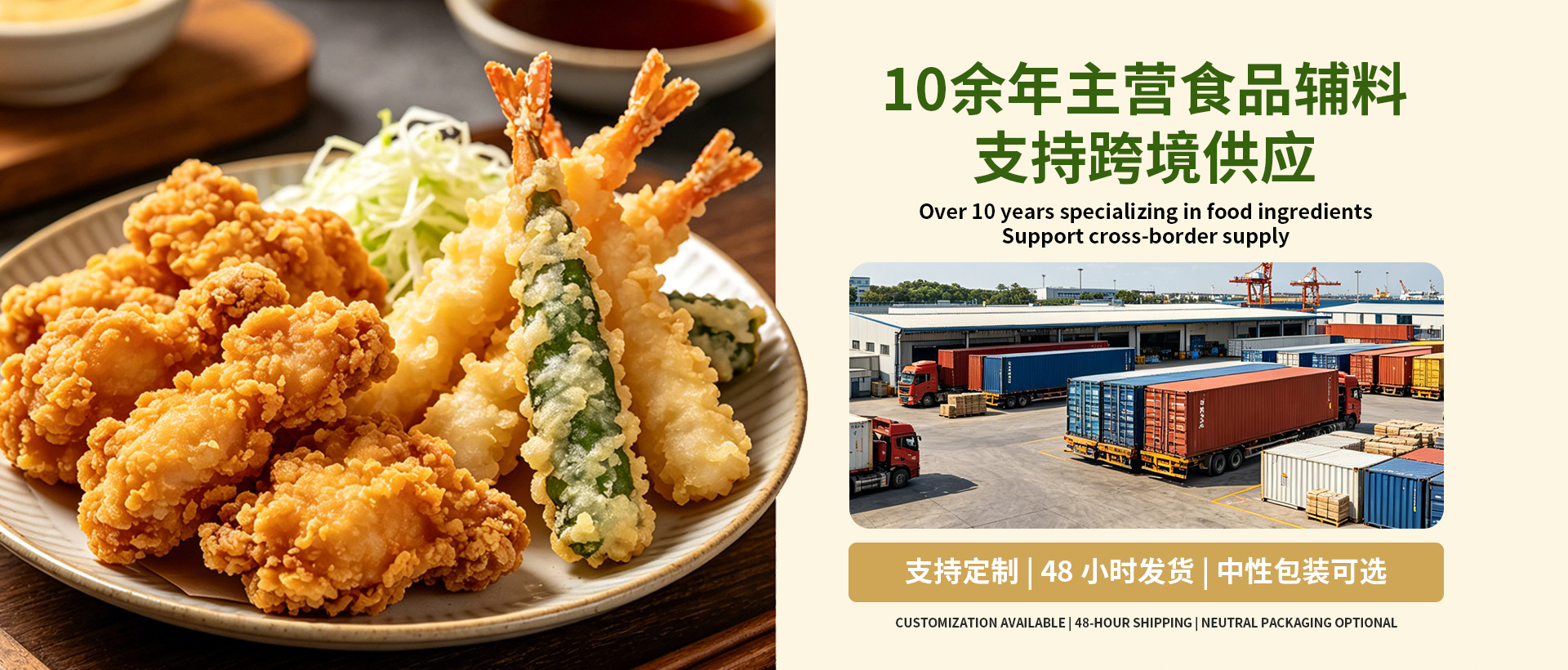

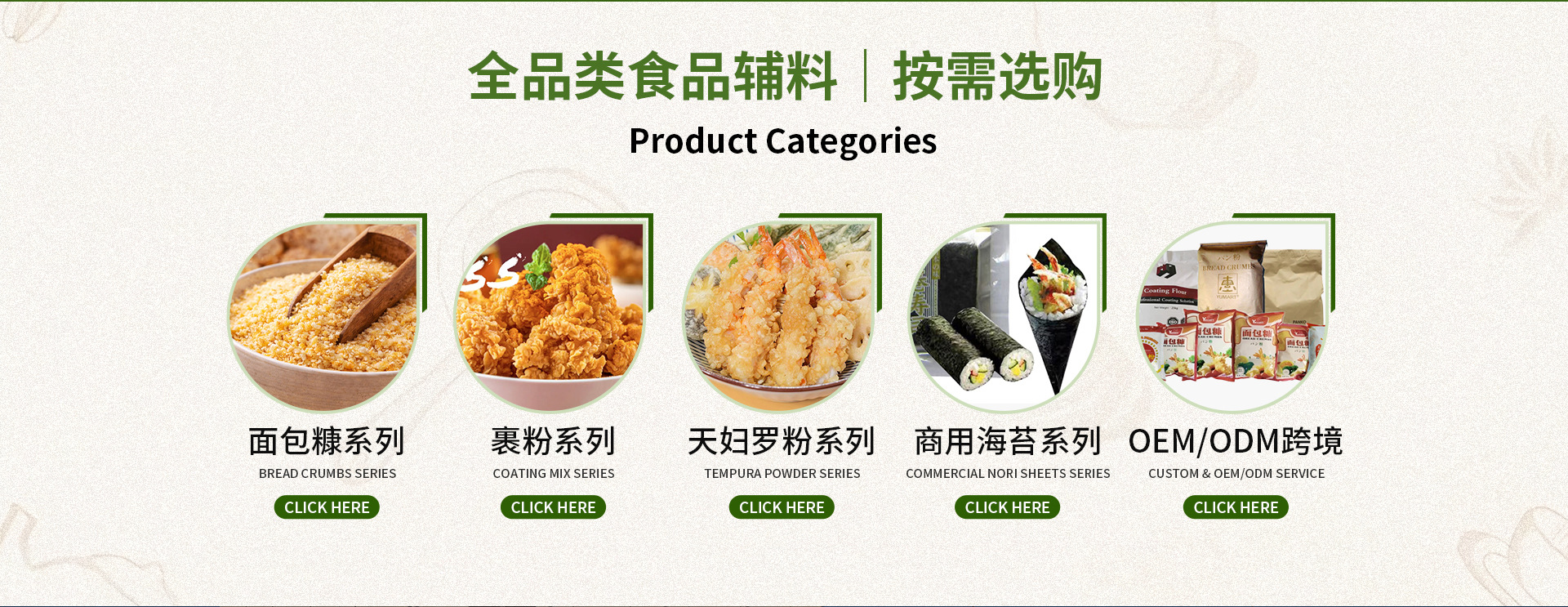
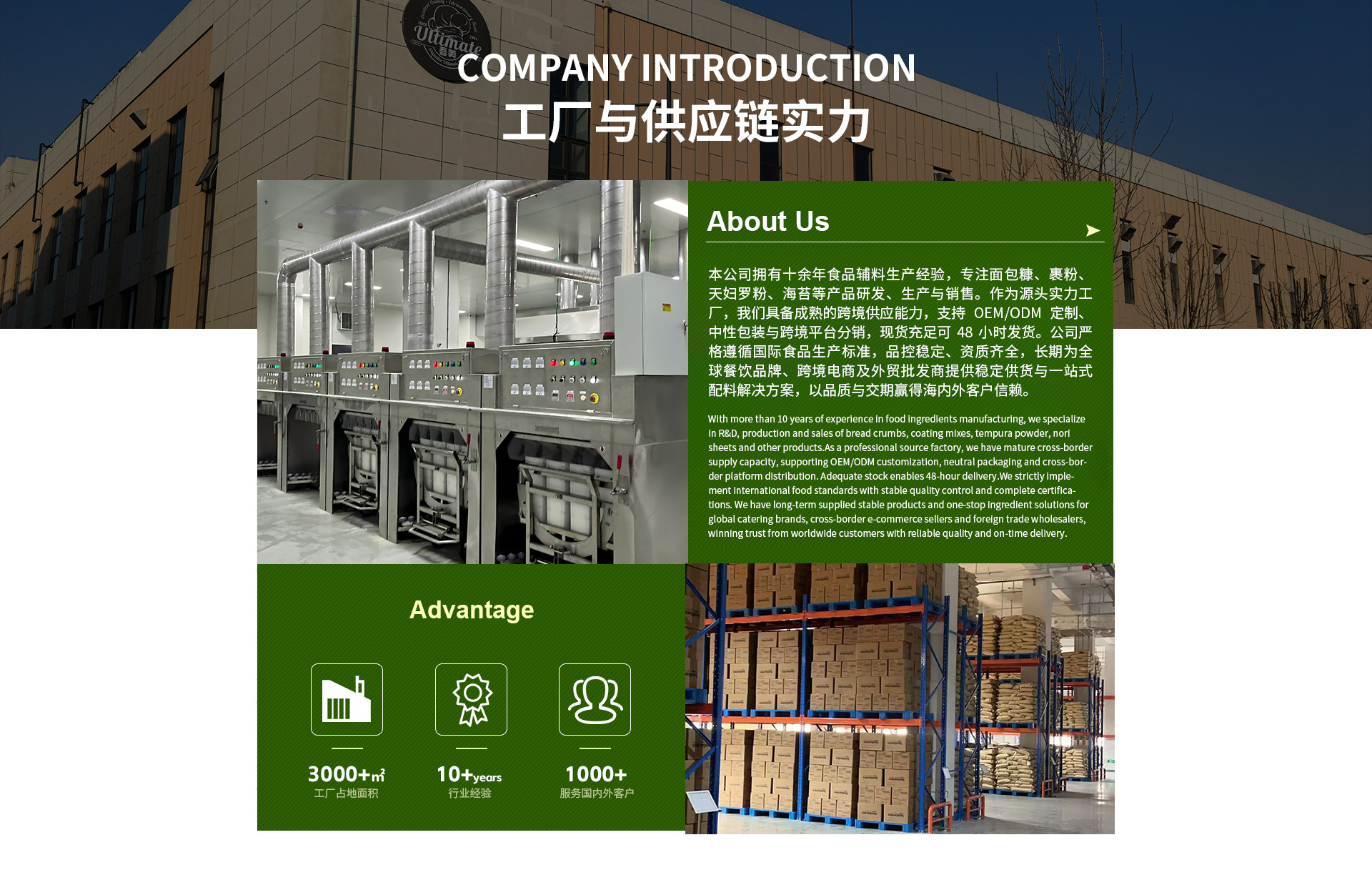
Equipment Integration: Beijing Haining Times Technology Co., Ltd. serves as our dedicated machinery manufacturing and engineering division, focusing on consumer electronics and commercial food equipment. We supply high-output noodle-making machinery, ice cream machinery, and automated dough mixers to support food brands, B2B food service clients, and commercial bakeries.
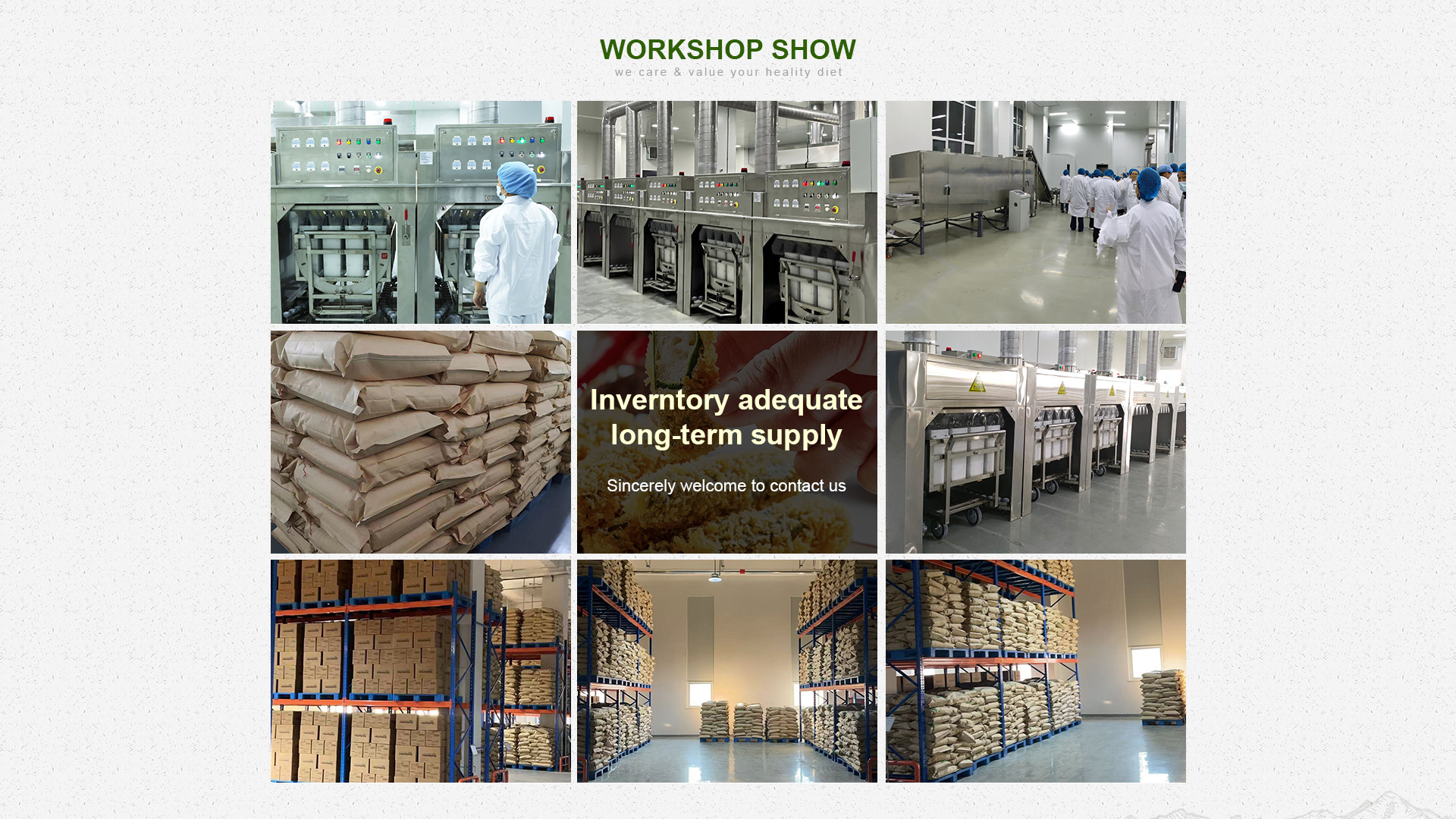
This combined capability allows us to offer both ingredients and the hardware to process them. Whether you are setting up a commercial kitchen in Seattle or scaling up a packaging line, we provide the integrated support needed to ensure steady production and clear traceability.
A step-by-step approach to supply chains, technical documentation, and product optimization.
Strict selection of wheat flours based on gluten quality, ash content, and water absorption indexes to ensure reliable raw materials.
Adjusting recipe parameters to adapt to Pacific Northwest climatic conditions, managing product performance during storage and thawing cycles.
Utilizing high-frequency baking ovens to produce uniform crumb matrices, followed by sizing through multi-stage mills.
Conducting final analyses for FDA Compliance, including micro-biology screens and heavy metal verification, prior to sea freight shipment.
Exporting ingredients to the United States requires compliance with food safety regulations. Under the FDA Food Safety Modernization Act (FSMA), exporters must provide documentation of hazard analysis and preventive controls. Our facility is registered with the FDA and follows GFSI-benchmarked standards (BRC and IFS), providing Seattle-based importers with complete transparency during USDA inspection processes.
Our logistical connections with the Port of Seattle and the Port of Tacoma minimize transit delays. We coordinate with local customs brokers to clear documentation before arrival, avoiding demurrage charges and ensuring ingredients reach your warehouse on time.
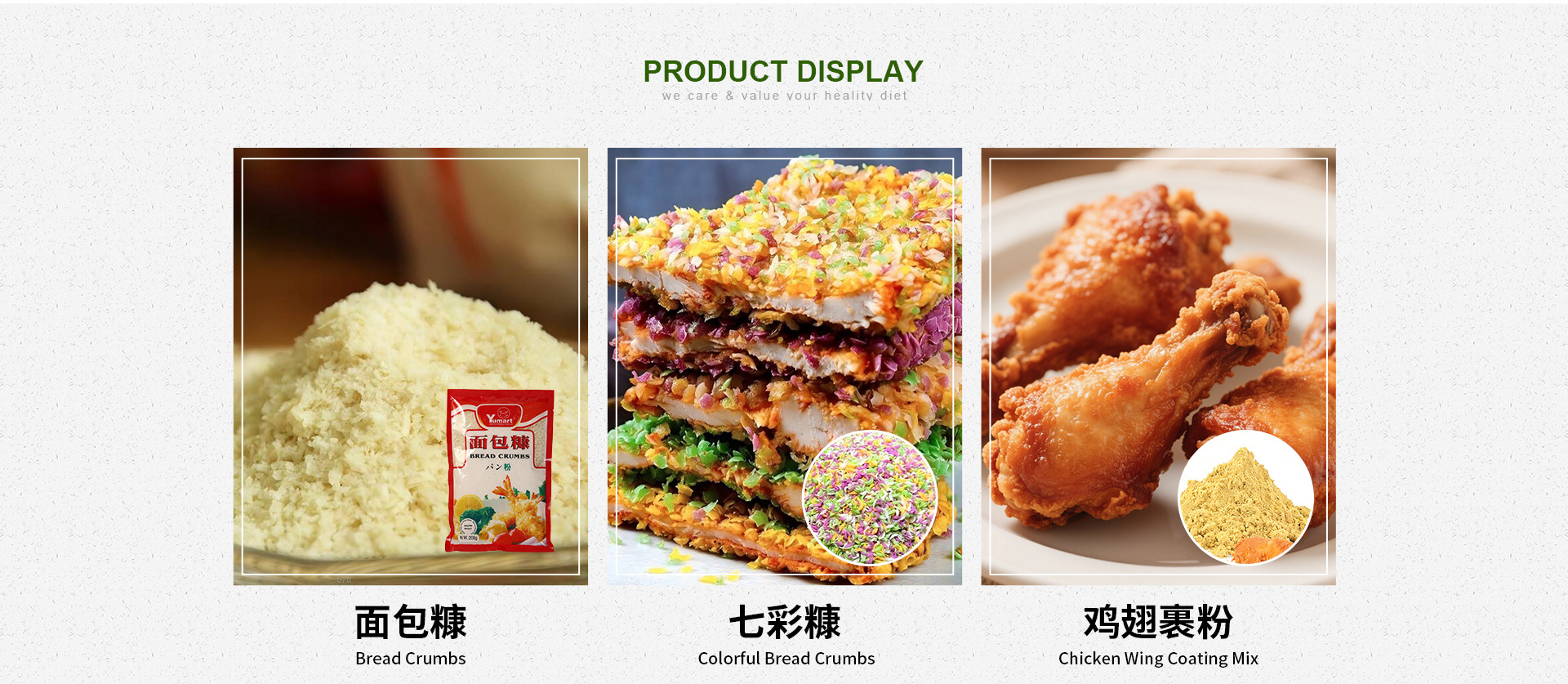
Bulk ingredients for commercial food processing, catering supply companies, and retail manufacturing.

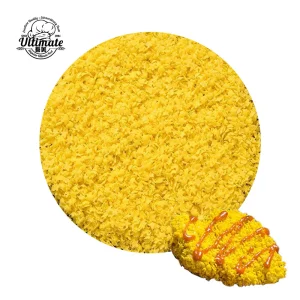
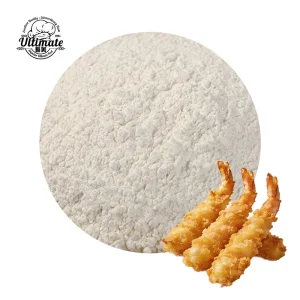
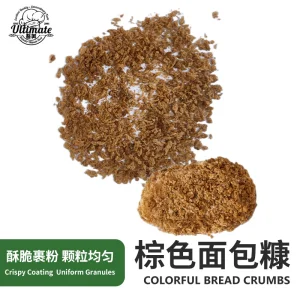
Addressing the common operational and chemical regulatory queries from quality assurance teams.
 Baking Supplies