Specially selected food service solutions and industrial grade coatings for commercial kitchens and food processing facilities across the Gulf Coast.
The Greater Houston area, serving as a primary economic engine for the Gulf Coast, features one of the most dynamic food production, manufacturing, and distribution infrastructures in North America. Anchored by the Port of Houston, the region offers unparalleled access to international raw material flows, enabling local manufacturers to scale production dynamically. However, Houston’s unique coastal climate—characterized by prolonged high relative humidity and elevated temperatures—presents distinct biochemical challenges for commercial bakeries and food processors. Dry-mix ingredients, functional powders, and breadings require advanced moisture-resistant technologies and high-barrier packaging to prevent premature starch degradation, caking, and microbial spoilage.
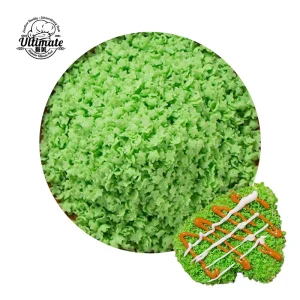
In Houston's industrial baking sector, dehydrated vegetables have transitioned from simple flavoring agents to functional formulation components. Dehydrated onion, garlic, bell peppers, carrots, and spinach powders are increasingly utilized by high-volume bakers to build complex flavor profiles while maintaining strict control over moisture migration. Water activity ($a_w$) control is paramount. Standard fresh vegetable additions introduce uncontrolled moisture levels, accelerating retrogradation of starches and shortening product shelf-life in retail environments.
By leveraging precisely dried granulated and powdered vegetables, local manufacturers achieve uniform distribution within the dough matrix. This prevents local moisture pockets that could lead to mold growth under Texas's humid retail shelves. Furthermore, dehydrated vegetable powders act as natural hydrocolloid matrices, aiding in water retention during the initial dough mixing stage and supporting gas-cell stabilization during proofing, resulting in improved crumb structure and yield.
Procurement directors within large-scale Houston bakeries and snack food operations face complex purchasing environments characterized by volatile commodity pricing, freight rate swings, and evolving supply chain regulations. To mitigate these risks, strategic sourcing models must focus on supply chain transparency, technical compliance, and volume consolidation. Working directly with integrated manufacturer-suppliers who maintain control over agricultural sourcing, primary processing, and final packaging is key to ensuring consistent chemical and physical specifications across batches.
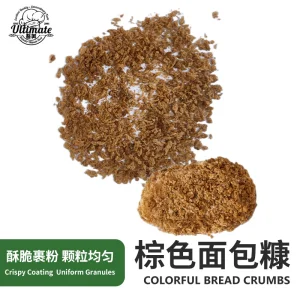
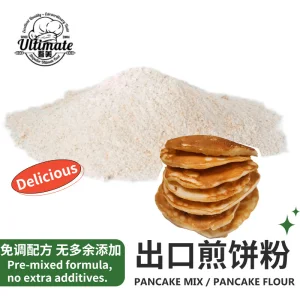
To successfully scale food processing operations in Texas, it is critical to align formulation physics with mechanical capabilities. The physical properties of dry ingredients—such as the oil-absorption capacity of Japanese Panko breadcrumbs, the cold-water viscosity of pancake premixes, or the hydration rate of batter starches—directly affect the uptime of mechanical deposition systems, automated breading applicators, and industrial fryers. Partnering with suppliers who understand both the biochemistry of ingredients and the engineering of commercial processing machinery ensures seamless processing, minimizes downtime, and reduces waste on high-volume production lines.
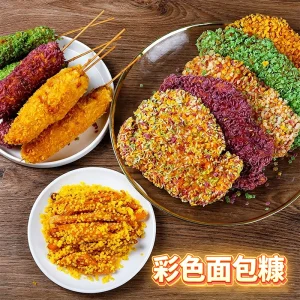
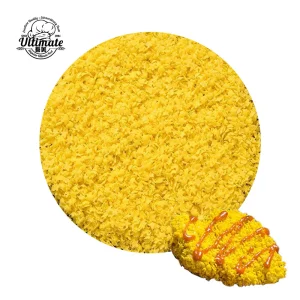
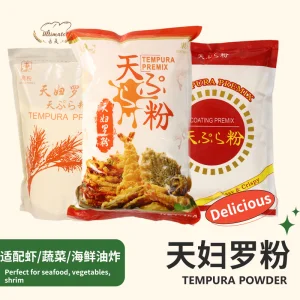
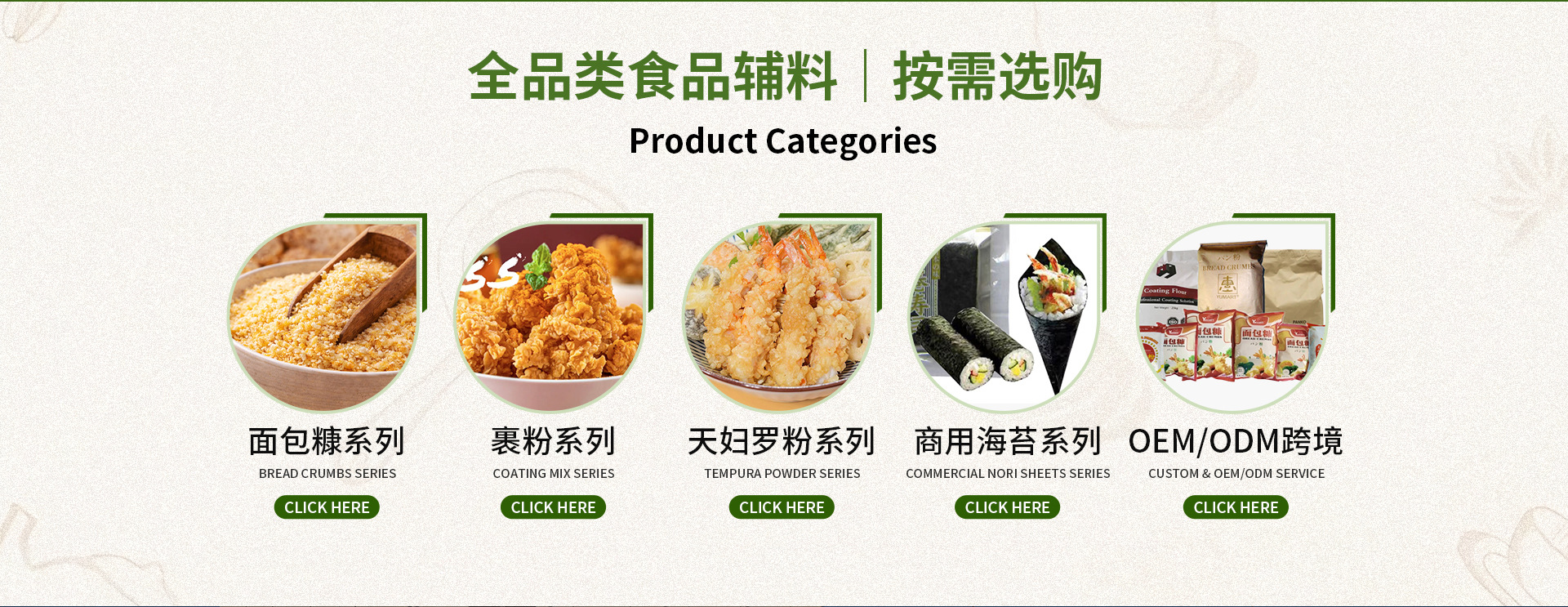
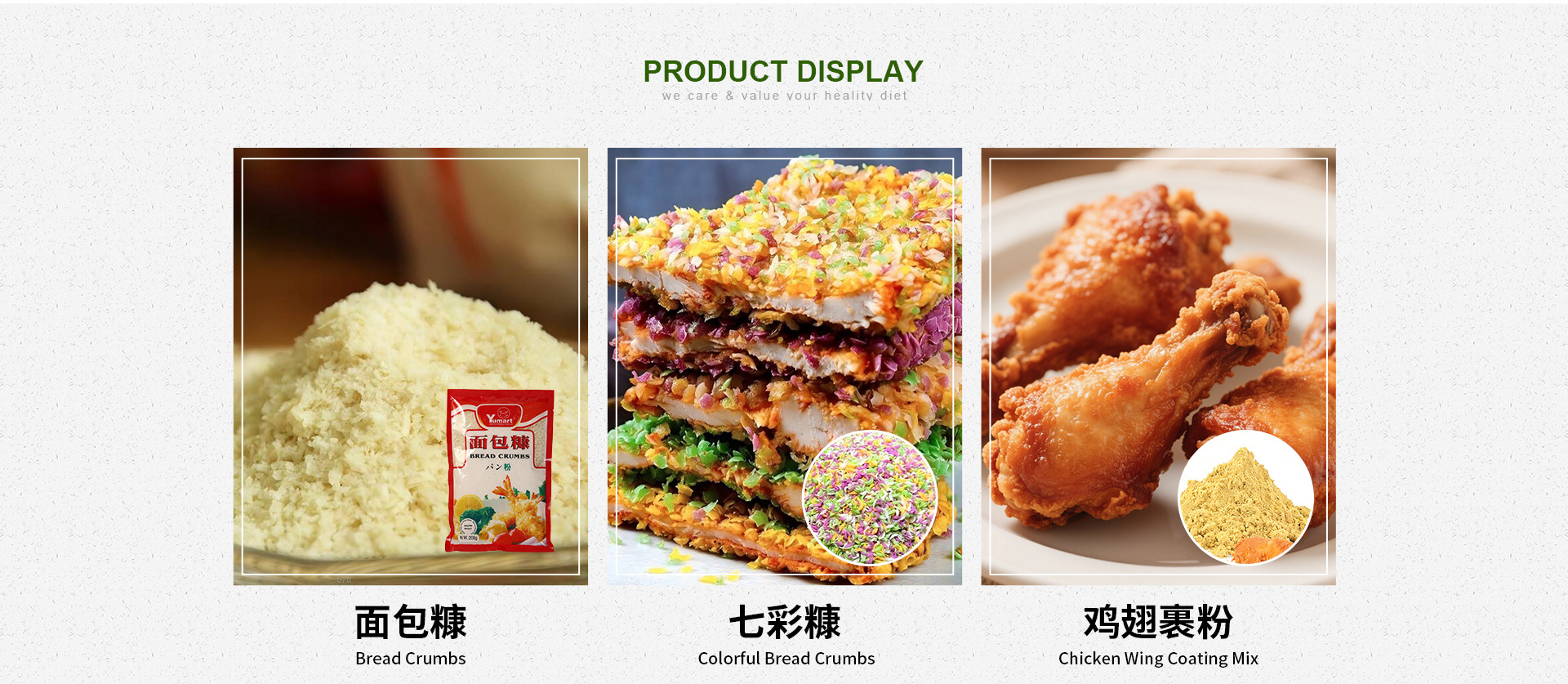
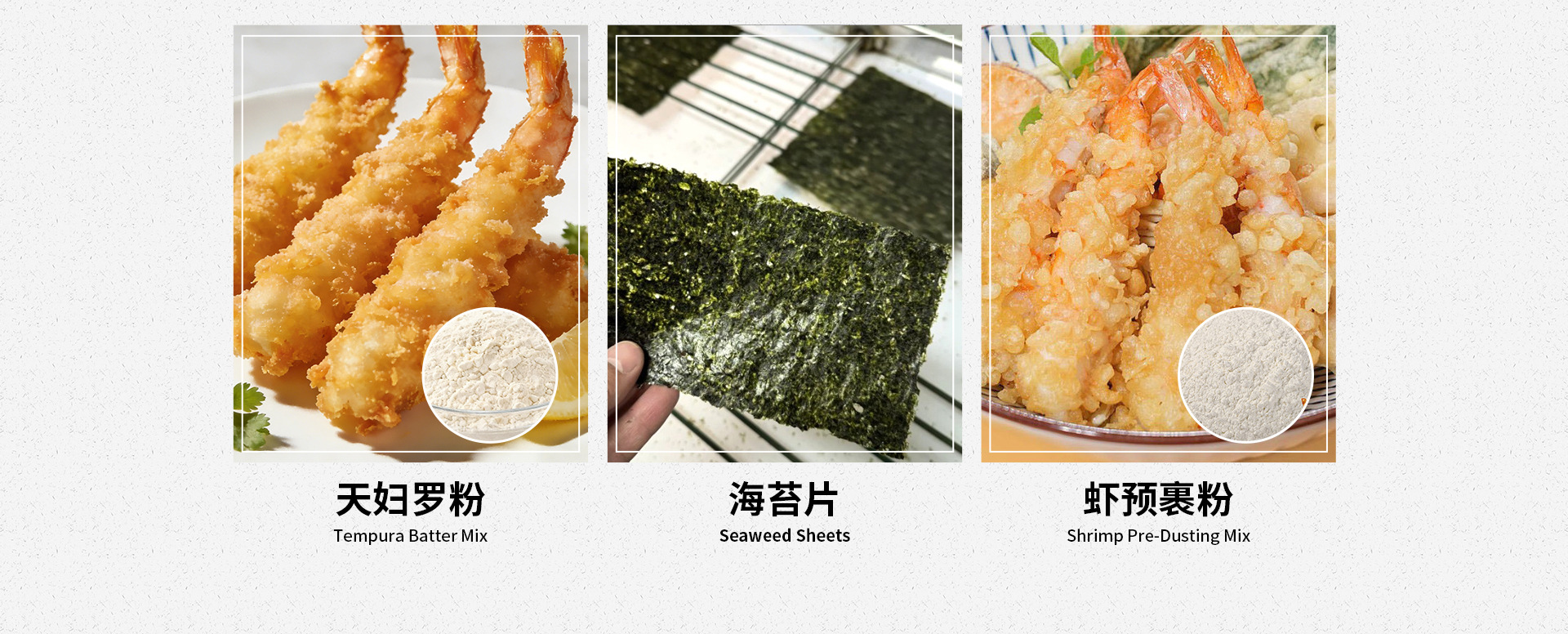
Industrial breading, premium batter powders, and specialty flour mixes designed for consistent performance in automated production lines.
As clean-label mandates and plant-based formulations continue to shape consumer expectations, the functional requirements of baking ingredients are undergoing a significant shift. Future formulation strategies focus on reducing synthetic emulsifiers and replacing them with plant-derived starches, natural proteins, and dietary fibers. This shift requires raw materials with higher technological performance. For instance, modified starches and enzymatic systems must maintain stability under high shear and rapid cooling cycles, which are common in continuous industrial bakeries.
For operations in the Gulf Coast region, moisture migration remains a primary factor in quality degradation. When crispy breadings or dry-mix coatings absorb ambient moisture, their crystalline starch structures soften, resulting in a loss of texture. To address this, current research focuses on using hydrocolloid coatings, developing lipid-based moisture barriers, and optimizing the retrogradation properties of wheat starches during baking. Minimizing the hygroscopicity of dry vegetable powders and seasoning blends allows for longer shelf life without compromising clean-label credentials.
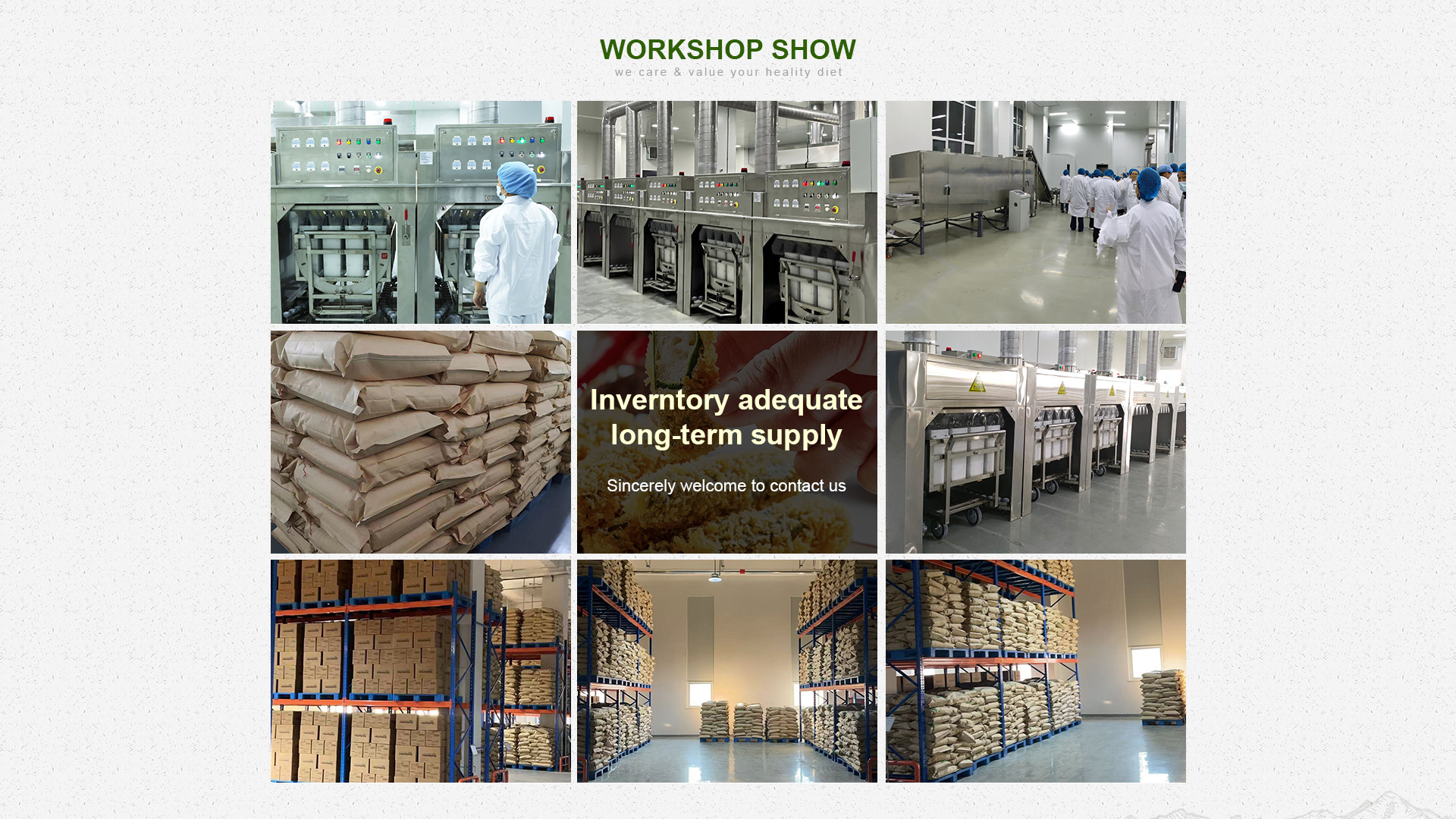
With the implementation of the FDA’s Food Safety Modernization Act (FSMA) and stricter GFSI standards, compliance is a core component of supply chain management. Suppliers must provide comprehensive batch documentation, including allergen control programs, microbiological analysis (with verified log reduction certifications for pathogen control), and physical contaminant detection metrics. Using automated optical sorting systems, inline metal detection, and X-ray inspection at the packaging stage helps minimize physical hazards and ensures consistent quality before products enter global trade channels.
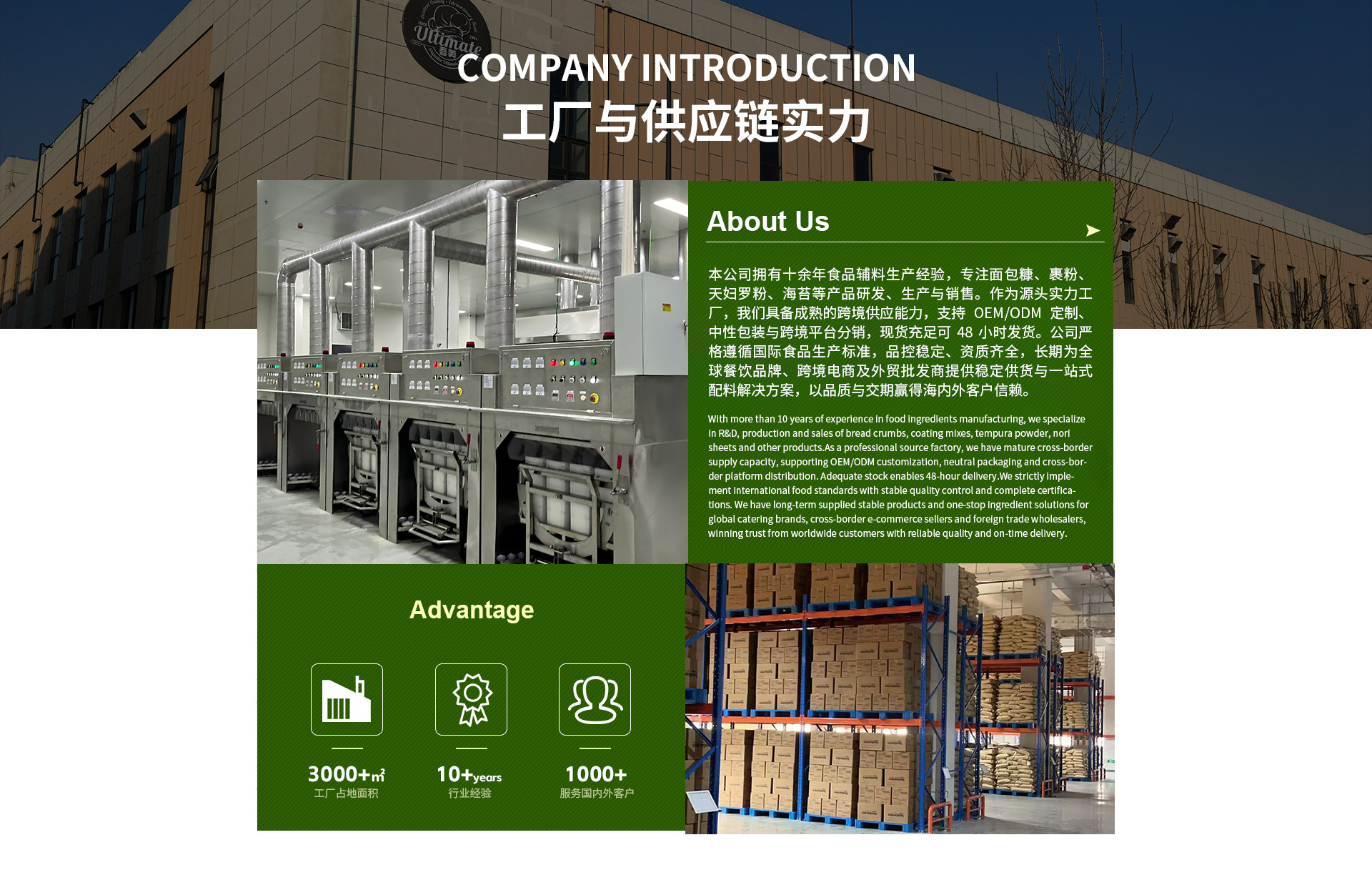
Beijing Haining Times Technology Co., Ltd. is an established manufacturer and exporter specializing in consumer electronics, industrial food processing machinery, and commercial food service equipment. With certified production facilities and export capabilities, the company serves international B2B clients, cross-border businesses, and commercial chains. The company maintains inventories of core equipment, including automatic noodle-making machinery and commercial ice cream production units, allowing for rapid shipment and reliable fulfillment. Additionally, the team provides comprehensive OEM/ODM customization services to meet specific regional requirements, voltage standards, and industrial capacities.
By combining engineering capabilities in machinery with an understanding of food processing dynamics, Beijing Haining Times Technology Co., Ltd. helps commercial kitchens and food processing facilities optimize their production lines. Whether configuring dough extrusion systems for commercial noodle production or calibrating temperature controls for commercial ice cream units, the company focus remains on delivering reliable performance, consistent output, and long-term durability.

Find answers to common questions about technical specifications, industrial logistics, and custom capabilities.
Our dry-mixes, breadcrumbs, and vegetable powders are processed to maintain low initial water activity ($a_w \le 0.60$) and are packed in multi-wall moisture-barrier bags. This prevents moisture absorption, clumping, and premature staling during shipping and storage in humid coastal climates.
All commercial ingredient batches are supported by Certificate of Analysis (COA) documentation, including microbiological assay data (testing for Salmonella, E. coli, and yeast/molds), moisture content verification, and allergen declarations aligned with FDA and FSMA guidelines.
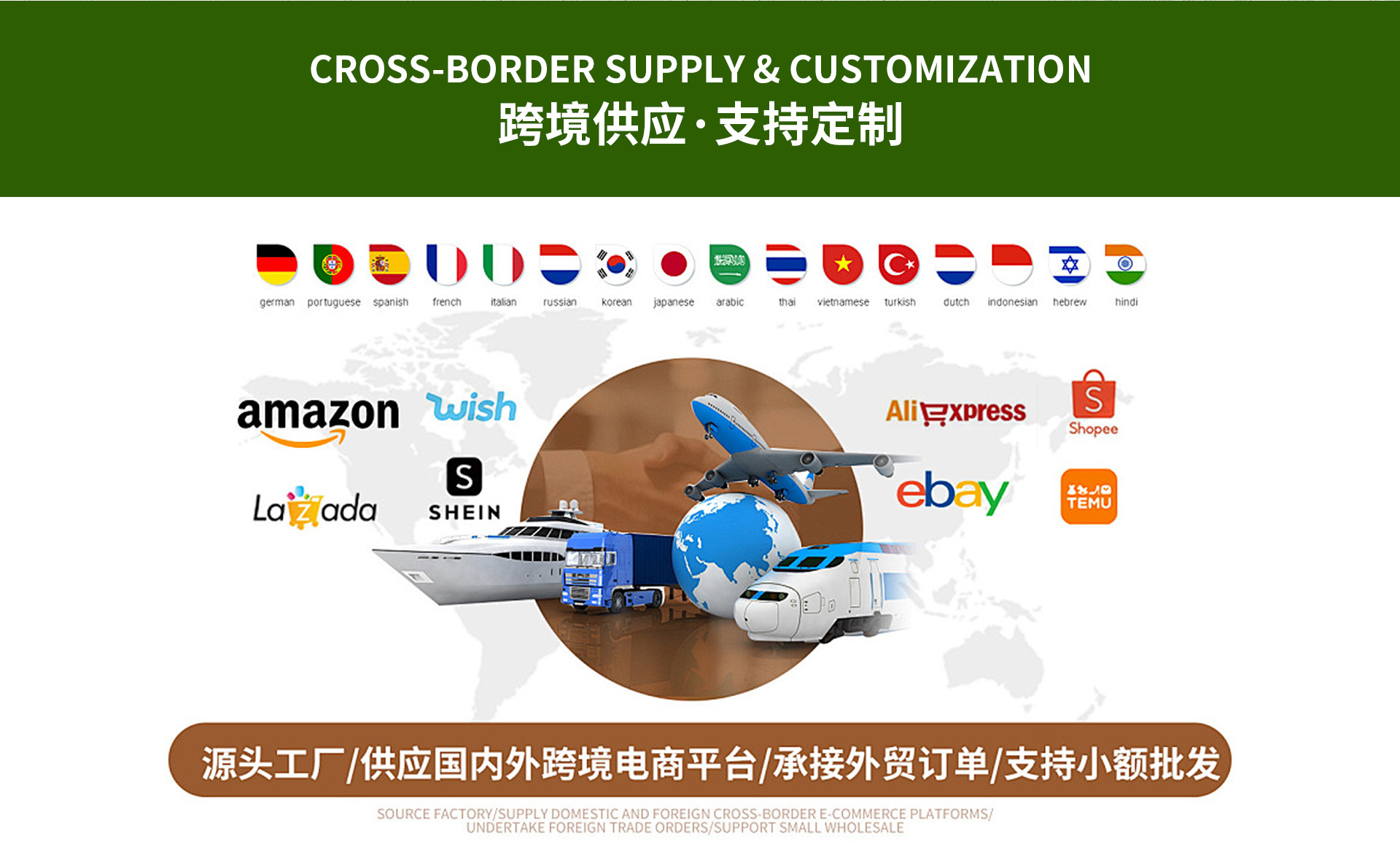
Yes. We provide OEM/ODM customization services for both physical food products (such as custom-formulated batters, pancake mixes, and breadings) and commercial machinery (including custom voltage configurations and custom-molded extrusion dies for automatic noodle makers).
Lead times vary based on configuration and order volume. Typically, standard equipment and catalog-grade ingredient orders ship from stock within 7-14 days. Custom OEM formulations or specialized equipment configurations require 30-45 days for manufacturing, testing, and export clearance.
We utilize strict particle-size screening (mesh analysis) and viscometric testing on every batch of flour and starch mixes. This ensures that the slurry behavior and dusting characteristics remain consistent, preventing clumping and uneven coating on automated production lines.
 Baking Supplies