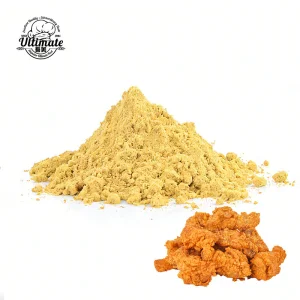
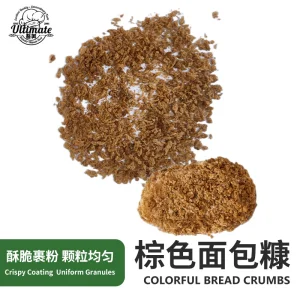
Engineered for consistent crispiness, optimal binding strength, and premium taste profiles matching Australian regulatory standards.
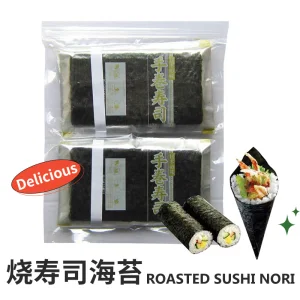
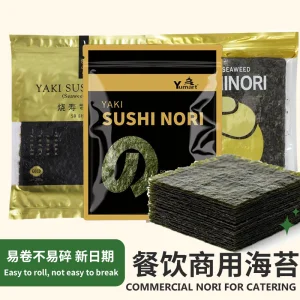
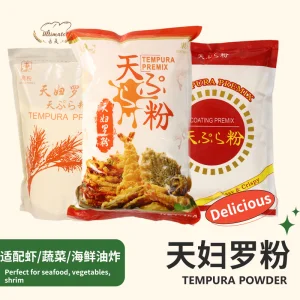
Global Dynamics, Australian Market Nuances, and China’s Factory Processing Advantages
In the contemporary landscape of global food processing and industrial manufacturing, stability and innovation at the ingredient level dictate the commercial viability of end-products. Australia's food industry—ranging from regional bakeries in Victoria to nationwide Quick Service Restaurant (QSR) chains based in Sydney and Brisbane—is currently navigating a transitional phase characterized by rising operational costs, fluctuating crop yields due to climate variations, and escalating demand for "clean label" inputs.
Australia boasts a robust agricultural sector, yet local environmental extremes make domestic supplies of key dehydrated ingredients highly volatile. Crops such as garlic, onions, bell peppers, carrots, and chives require specialized climatic conditions and massive resources to undergo dehydration locally. Consequently, Australian commercial bakeries and industrial food processors rely heavily on imported dehydrated vegetables to guarantee supply chain resilience.
Within Australian industrial baking, dehydrated vegetables serve as crucial functional components. For example, dried chives, onion flakes, and powdered vegetables are integrated directly into flour mixes for savoury breads, artisan crackers, and institutional pre-mixes. Traditional fresh vegetables introduce moisture variance, leading to enzymatic breakdown, shorter shelf life, and inconsistent crumb texture. Dehydrated ingredients resolve these technical issues, providing zero moisture variance, predictable water absorption indexes, and guaranteed shelf-stability in dry bakery distribution channels.
On a global scale, the market for dehydrated vegetables and specialized bakery batters is surging, driven by the expansion of ready-to-eat (RTE) meals, instant noodles, and frozen bakery goods. Traditional sun-drying methods have been completely replaced by high-precision AD (Air Dehydration), FD (Freeze Dehydration), and VF (Vacuum Frying) techniques. Global buyers demand raw products that maintain their natural enzymatic color, aromatic volatiles, and fiber structure upon rehydration.
Furthermore, international supply chain dynamics demand that materials undergo rigorous testing for chemical residues, heavy metals, and micro-pathogens (such as *Salmonella* and *Listeria*). Australian biosecurity standards managed by the Department of Agriculture, Fisheries and Forestry (DAFF) are among the strictest in the world. Importers must secure partnerships with factories that offer full batch traceability, standardized certificate profiles, and optimal packaging barrier properties to withstand transit and humidity.
China remains the undisputed epicenter of global agricultural processing, utilizing state-of-the-art automation lines that ensure unprecedented consistency. By sourcing raw materials from standardized agricultural regions (such as Shandong and Jiangsu) and applying high-throughput processing technology, Chinese facilities achieve optimal output economies of scale that domestic Australian plants simply cannot replicate.
The manufacturing advantage centers on three core pillars:
To successfully integrate these ingredients, it is vital to match products to real-world Australian kitchen and plant scenarios:
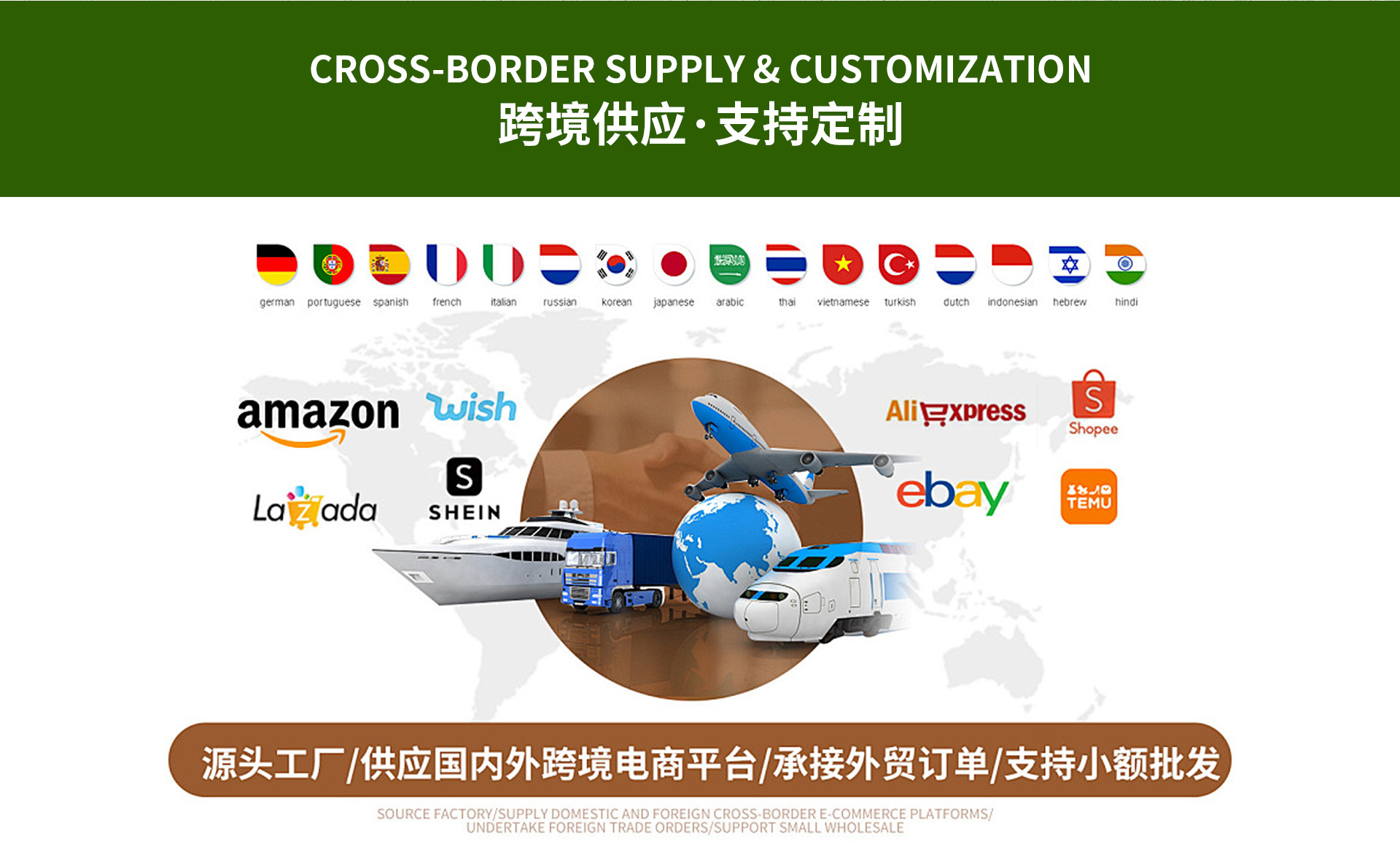
Beijing Haining Times Technology Co., Ltd. — Your Trusted OEM/ODM Partner with Global Export Credentials
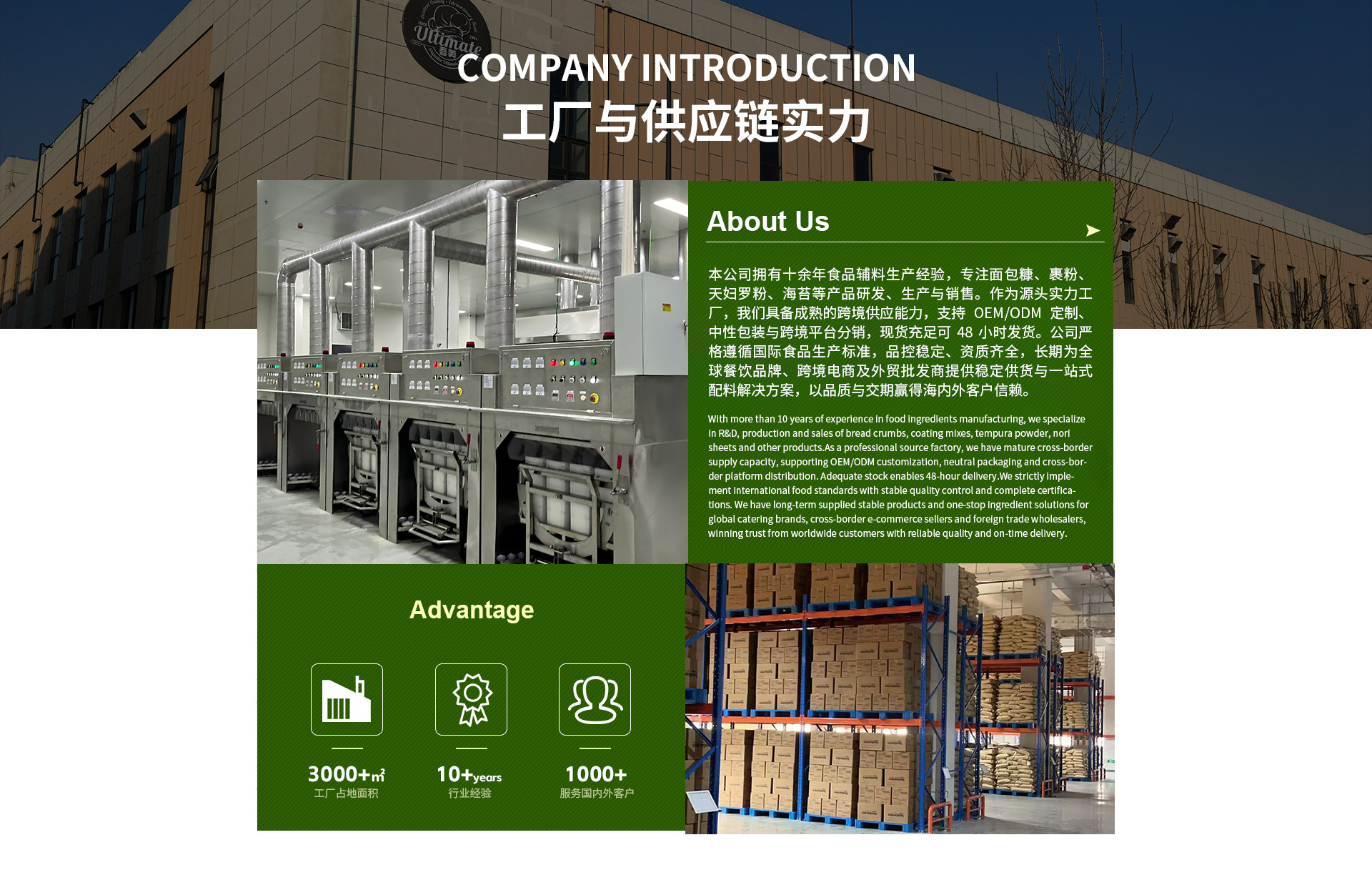
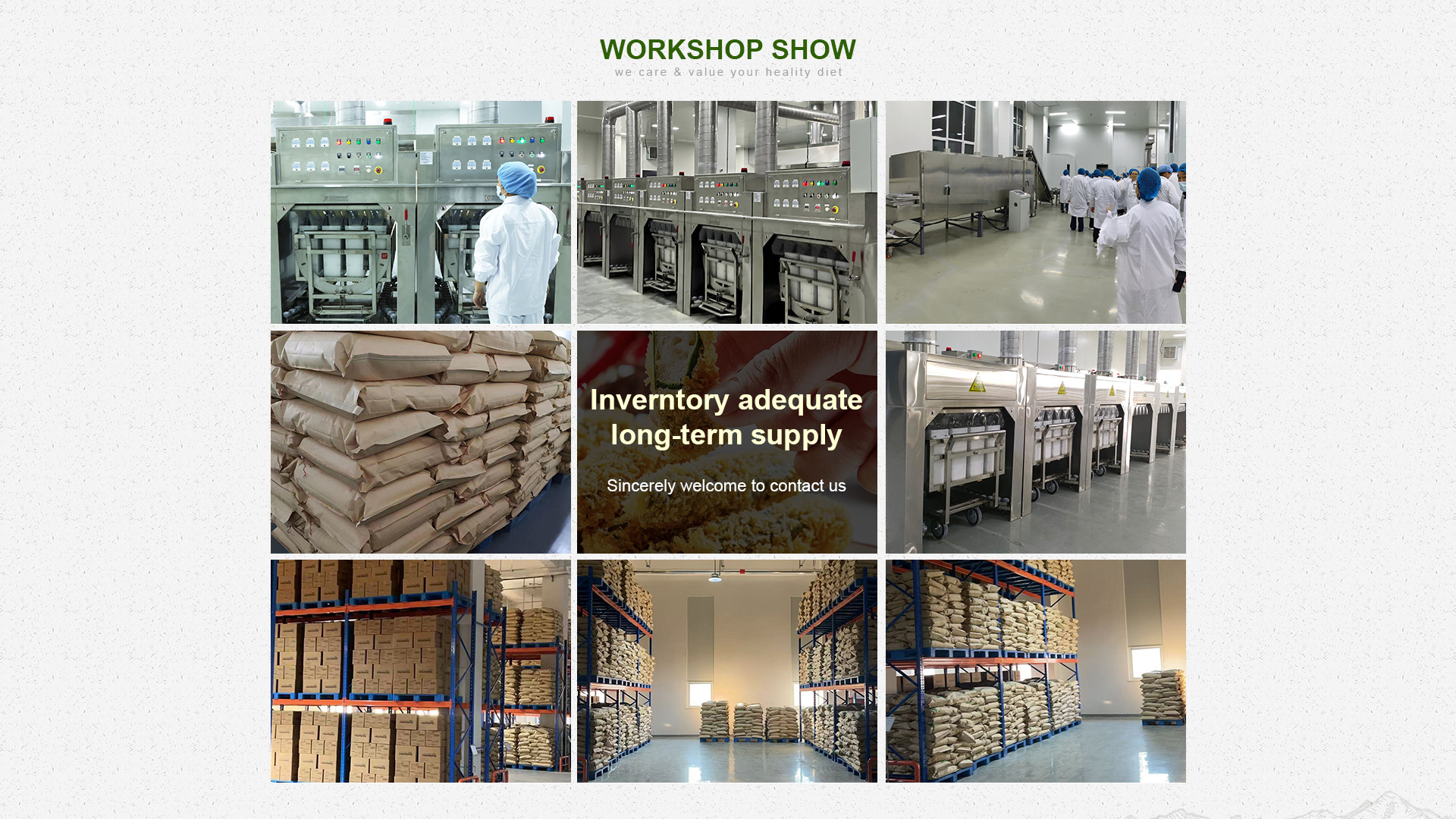
Beijing Haining Times Technology Co., Ltd. (北京海宁时代科技有限公司) stands as a prominent, source-level manufacturing enterprise specializing in both food processing machinery and premium commercial food ingredients. We maintain massive raw ingredient and equipment inventories, enabling rapid dispatch, consistent scaling, and reliable delivery for Australian importers, commercial kitchen chains, and food distributors.
Our facilities are fully certified under international safety management schemes, featuring high-capacity automated production lines, climate-controlled warehousing, and cleanroom packaging spaces. Whether you require custom-formulated breadcrumb shades, tailored batter viscosities, or specialized commercial equipment configurations (such as high-speed noodle lines or commercial ice cream systems), our engineering and food-science teams deliver seamless OEM/ODM adaptations to meet your precise market target.
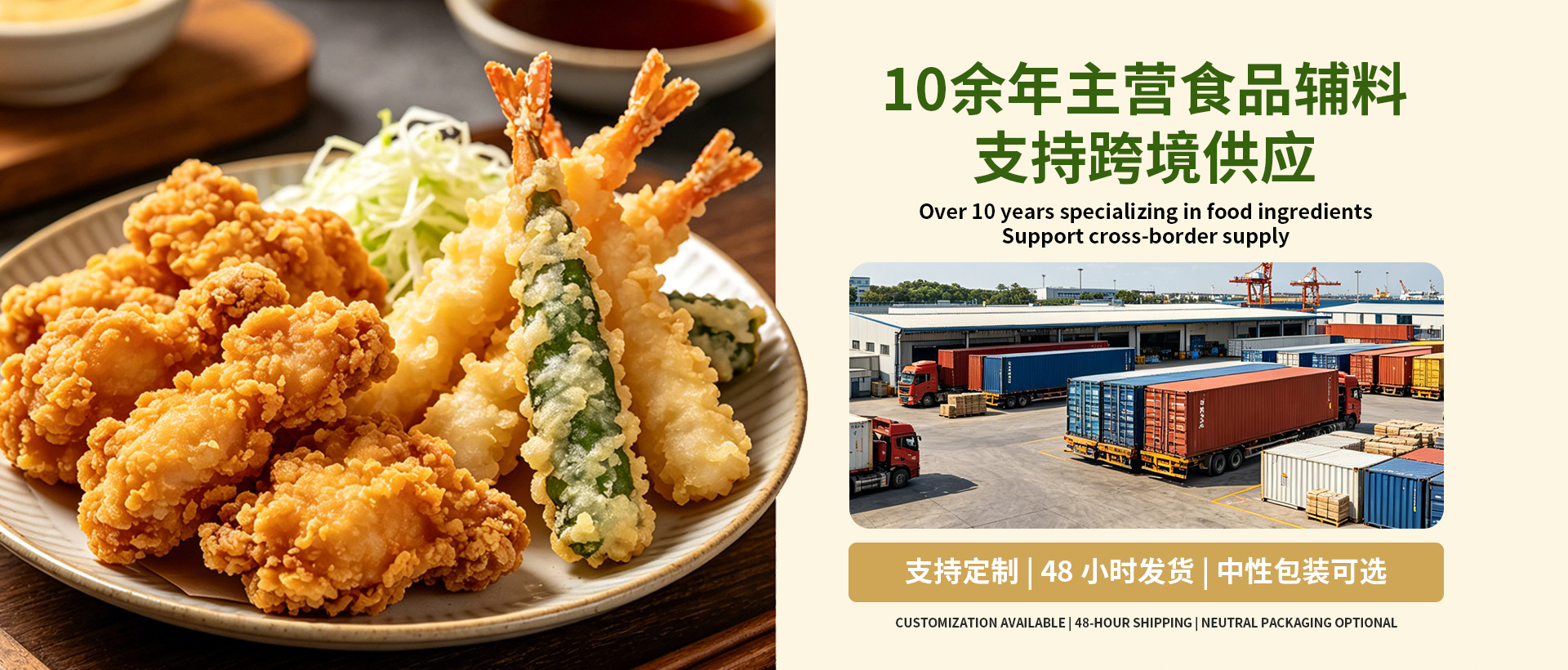

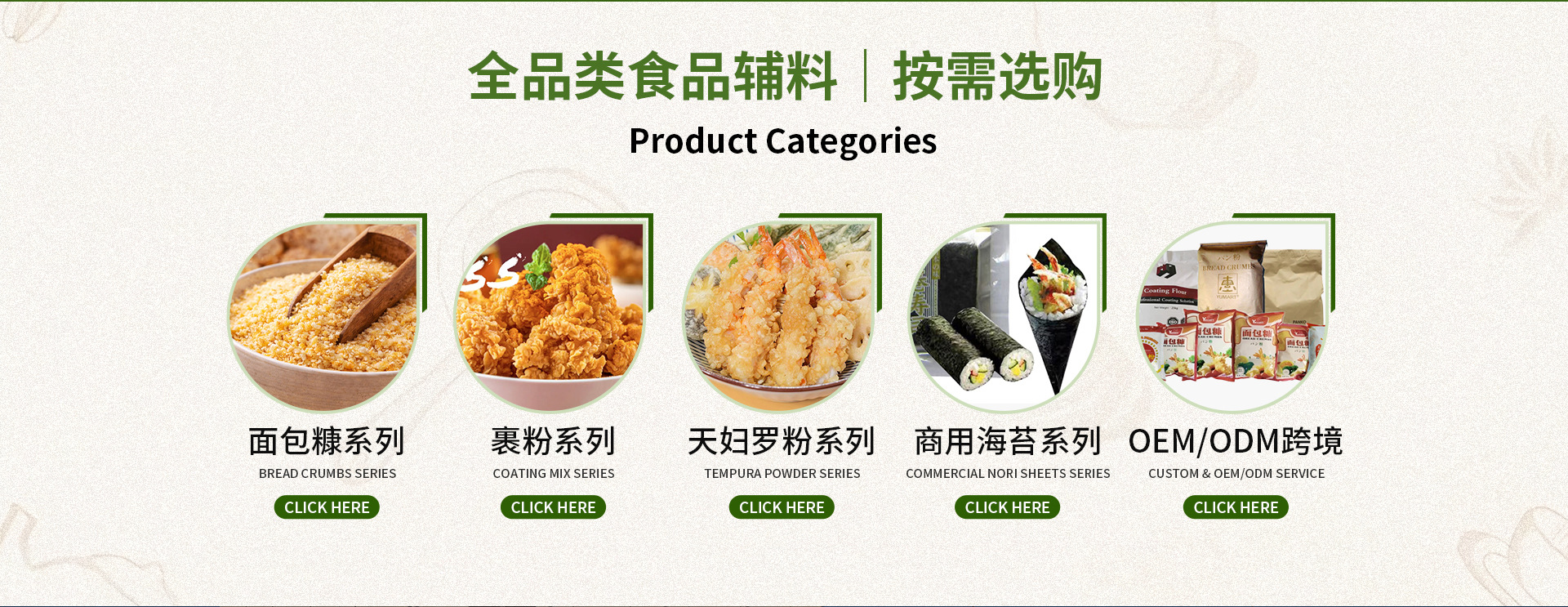
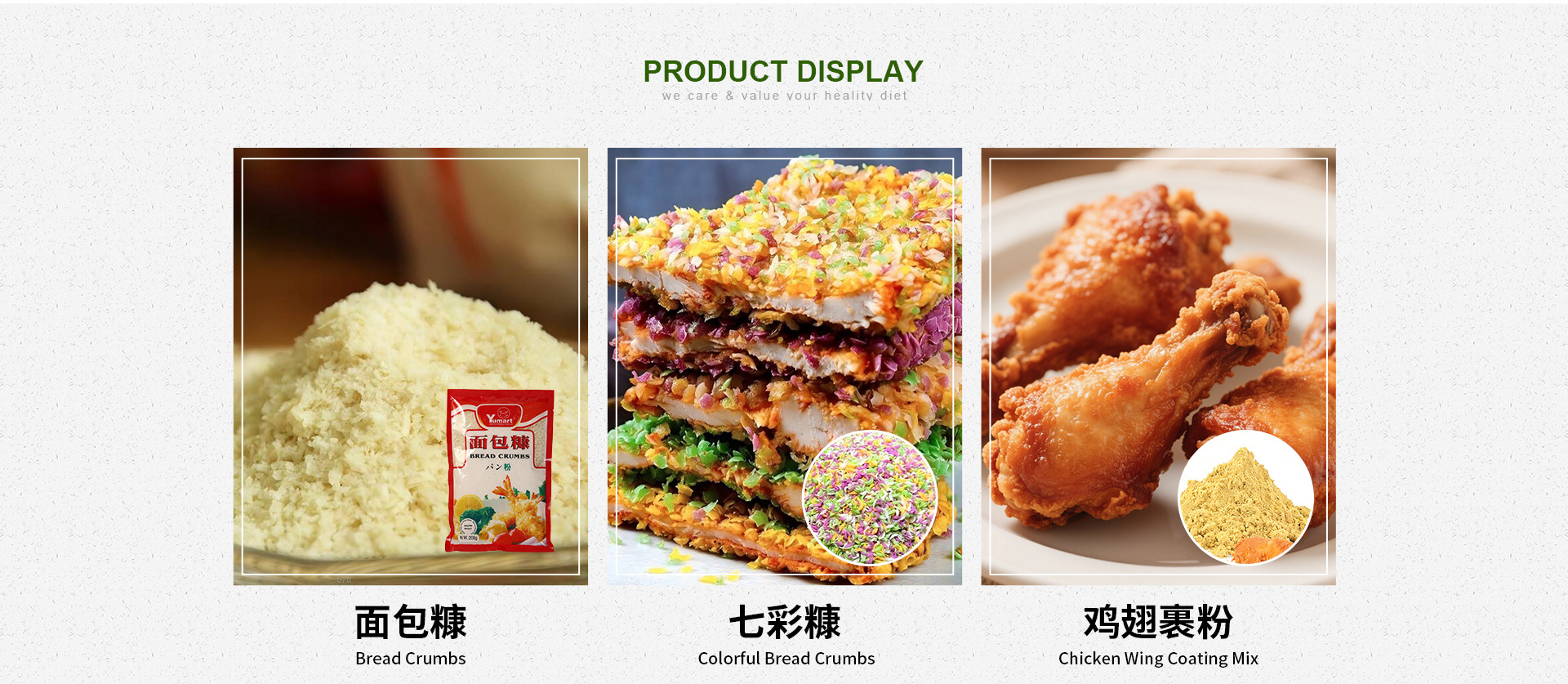
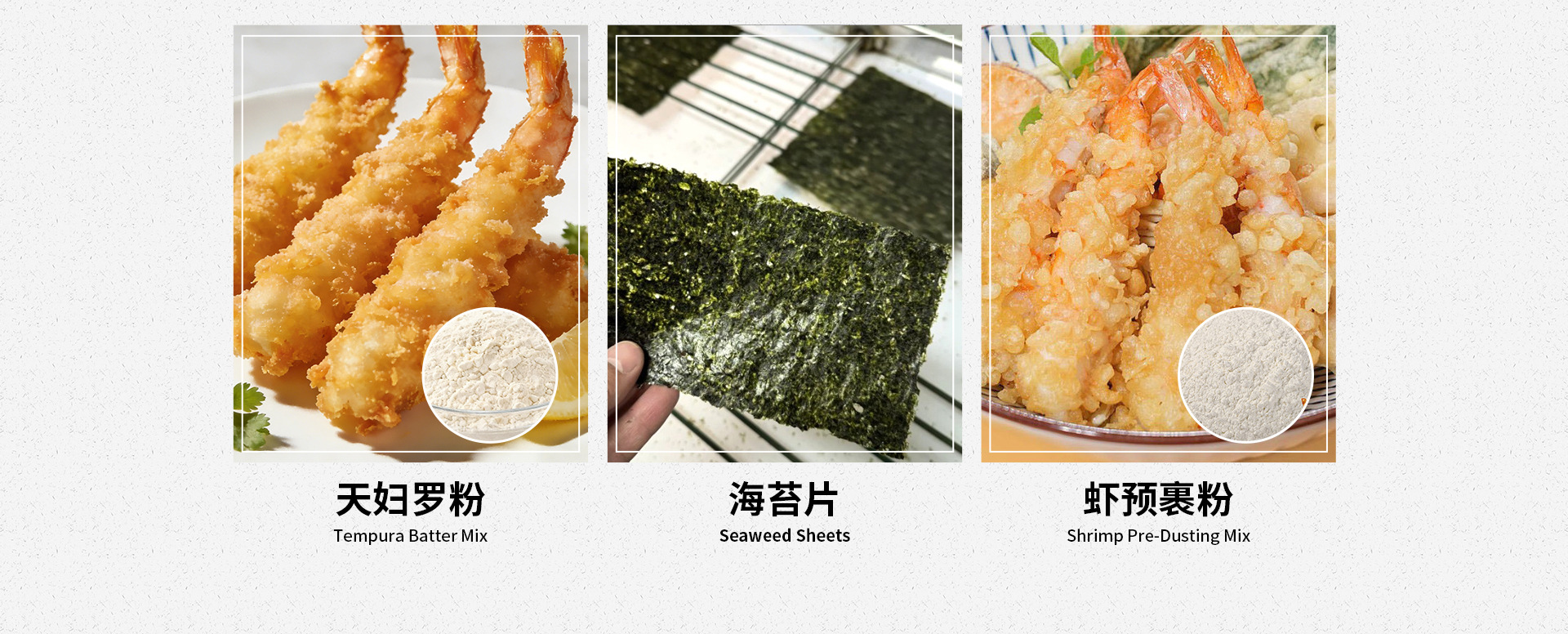
Formulated for industrial frying applications, commercial breakfast systems, and premium Japanese culinary products.
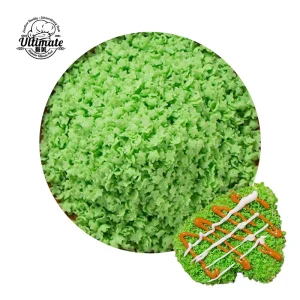
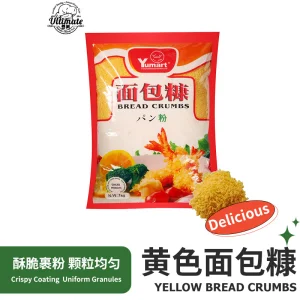
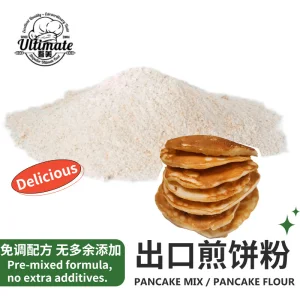

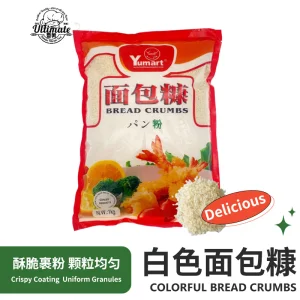
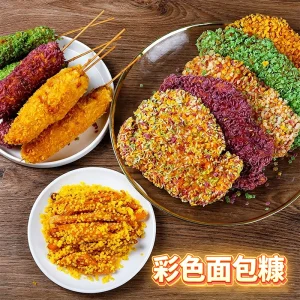
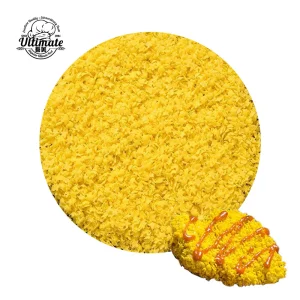
Targeted binding formulas and premium ingredients to expand your commercial product lines.
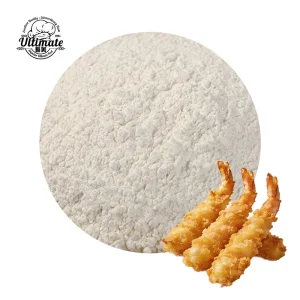
Expert Insights into Import Compliance, Custom Formulations, and Logistics for Australian Buyers.
Get in touch with our team of food scientists and export engineers for batch pricing, customized formulations, or trial orders to Australia.
 Baking Supplies