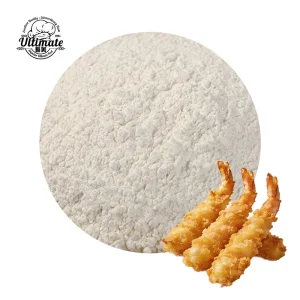
Engineered for high-volume Japanese commercial kitchens, convenience store (Konbini) hot food counters, and industrial food processing plants.
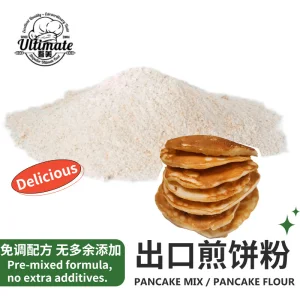

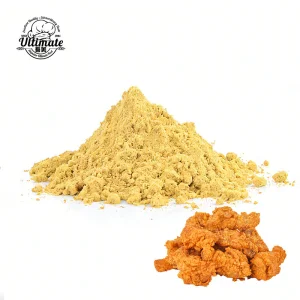
An in-depth analysis of import regulations, consumer patterns, and micro-specification expectations.
Japan's food industry is undergoing a structural transformation driven by an aging demographic and single-person households. The rise of "Nakashoku" (home meal replacements, ready-to-eat bento boxes, and convenience store meals) has heightened the demand for highly stable, long-shelf-life food ingredients. Dehydrated vegetables and prepared coating powders serve as critical components in this supply chain, ensuring that convenience foods retain texture, color, and nutritional value over extended display times.
For global suppliers, entering the Japanese B2B market requires an understanding of the regional preference for portion-controlled, clean-label raw materials. Food processing giants require ingredients that integrate seamlessly with automated dosing systems, preventing production line downtime.
Introduced by the Ministry of Health, Labour and Welfare (MHLW), Japan's Positive List System regulates agricultural chemicals, veterinary drugs, and feed additives remaining in foods. Any food containing agricultural chemicals exceeding established Maximum Residue Limits (MRLs) is prohibited from sale. For dehydrated vegetables, which undergo concentration during the drying process, pesticide residue levels can intensify. Consequently, testing protocols at the farm level and primary processing facilities must execute at precision limits down to 0.01 ppm.
Our factory implements strict agricultural control measures, maintaining full batch traceability from soil composition analysis to final X-ray inspection. This rigorous protocol assures Japanese buyers that every shipment complies with customs regulations and passes inspection without delay.
Balancing yield, sustainability, and localized industrial applications.
| Ingredient Parameter | European/US Market Standards | Japanese Market Standards (JAS) | Our Factory Capability |
|---|---|---|---|
| Pesticide Residue | FDA/EFSA tolerances (regional variability) | Positive List System (0.01 ppm default limit) | GC-MS/MS 500+ residue screen compliance |
| Microbial Profile (TPC) | < 100,000 cfu/g typical | < 10,000 cfu/g (Strict control for fresh foods) | Steam sterilization reaching < 3,000 cfu/g |
| Heavy Metals (Pb, Cd) | Regulatory limit based on consumption | Zero tolerance for contamination in dried items | ICP-MS verified zero contamination |
| Foreign Material Specs | Optical sorting standard | Dual X-Ray, color sorting, metal detection | Triple inspection (Sus < 0.5mm, Fe < 0.3mm) |
Climate changes present operational challenges for global B2B procurement. Disruptions in weather affect crop yields and compromise raw ingredient quality. To combat these market fluctuations, smart sourcing strategies require contracting with factories that have robust cold-storage facilities and vertically integrated domestic agricultural partners.
Combining modern industrial facilities with high-capacity logistics for international export.
China remains a global hub for dehydrated vegetable processing due to geographical crop diversity, specialized farming technology, and integrated transport networks. Our primary factory employs advanced technologies including Air Drying (AD), Freeze Drying (FD), and high-velocity fluid bed drying to preserve nutritional value and natural colors.
By consolidating processing facilities near rich agricultural zones, we minimize transport times and prevent oxidation of raw vegetables. This optimization directly influences flavor profiles and extends shelf life, satisfying the high quality expectations of Japanese retail buyers and chain store operations.
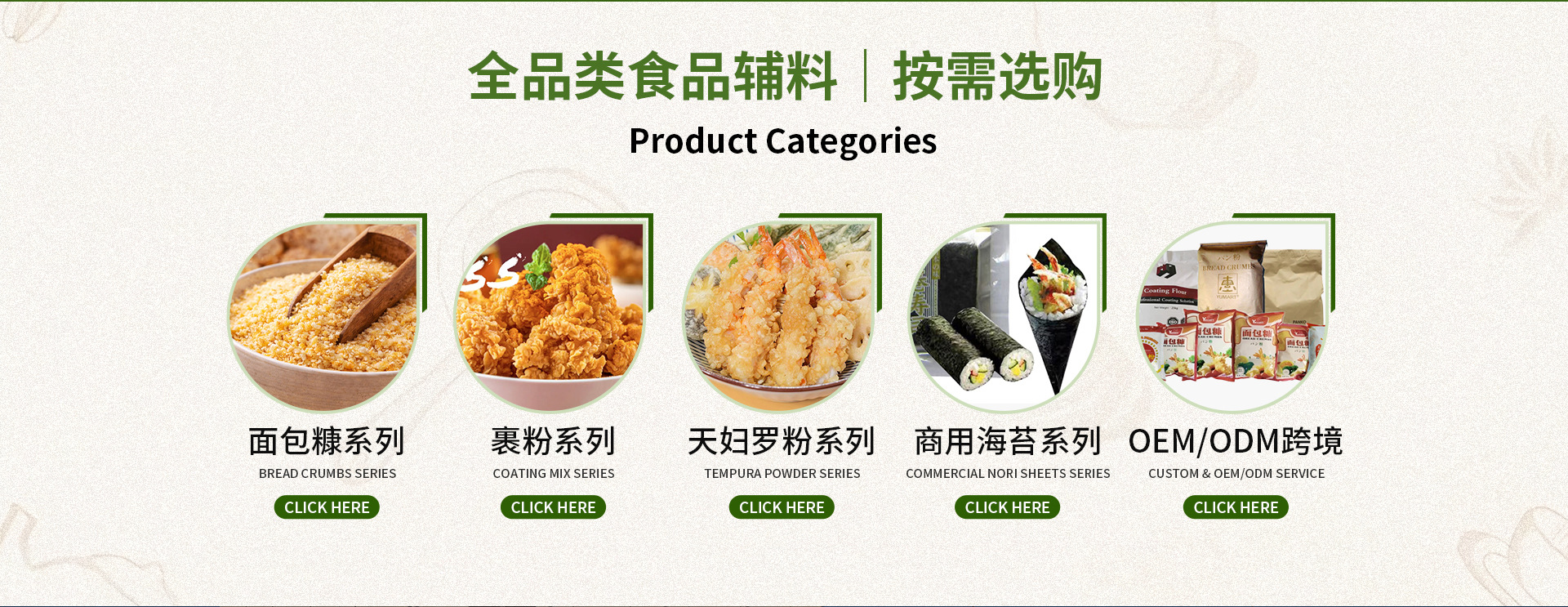
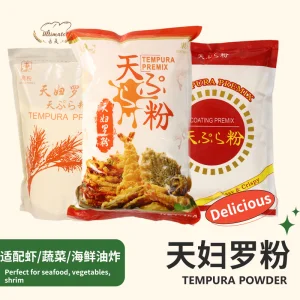
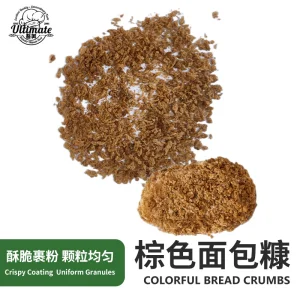
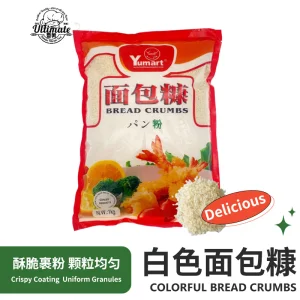
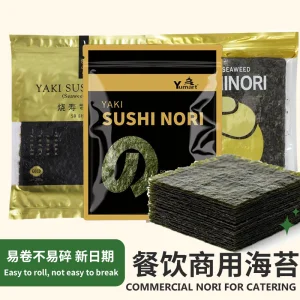
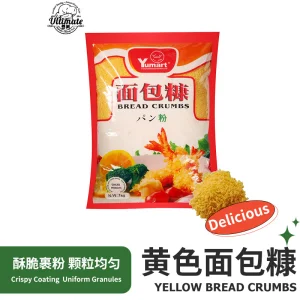
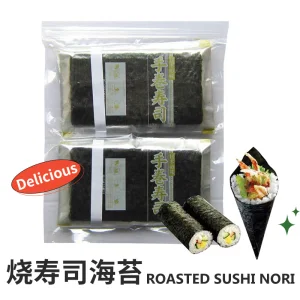
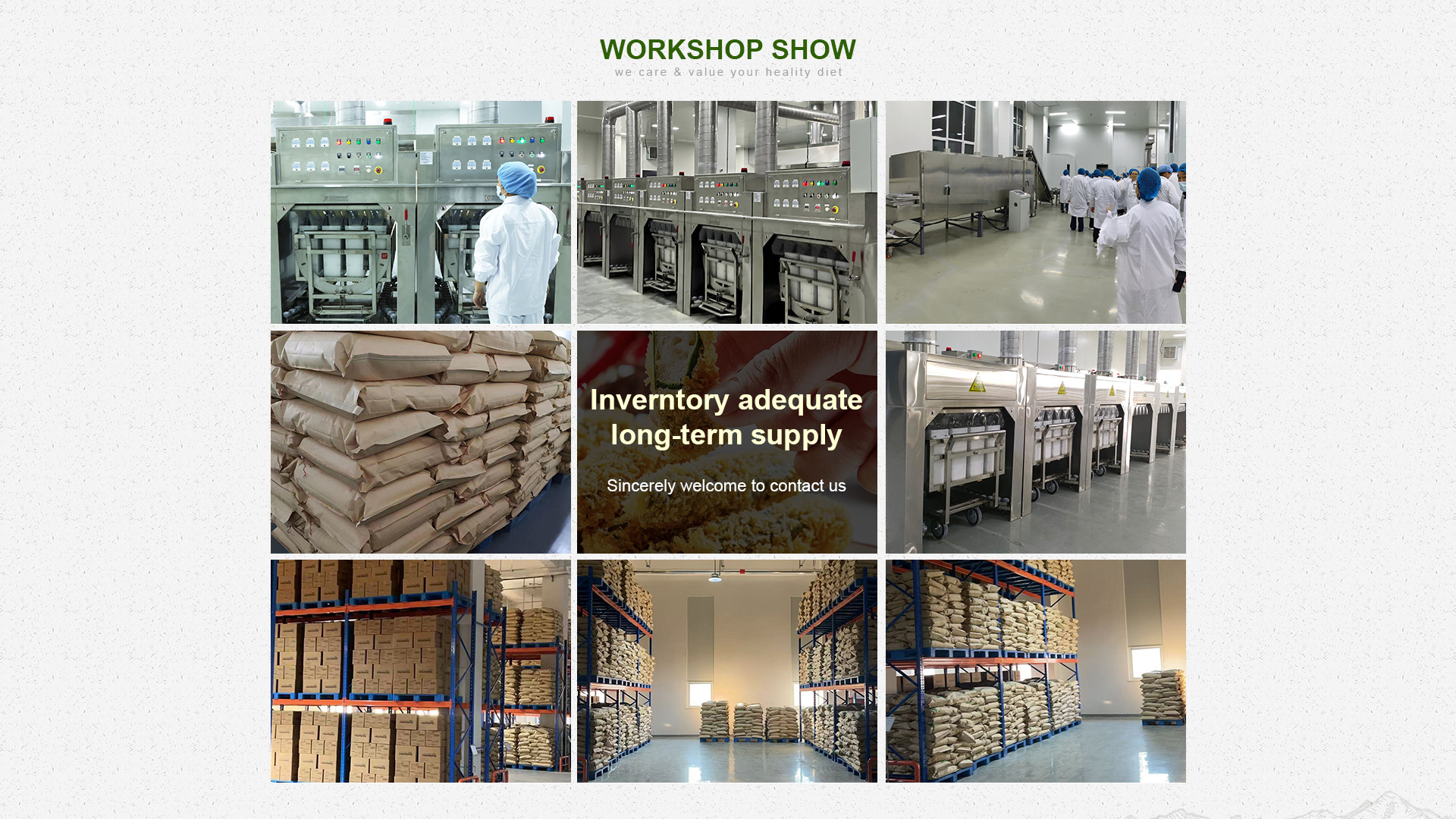
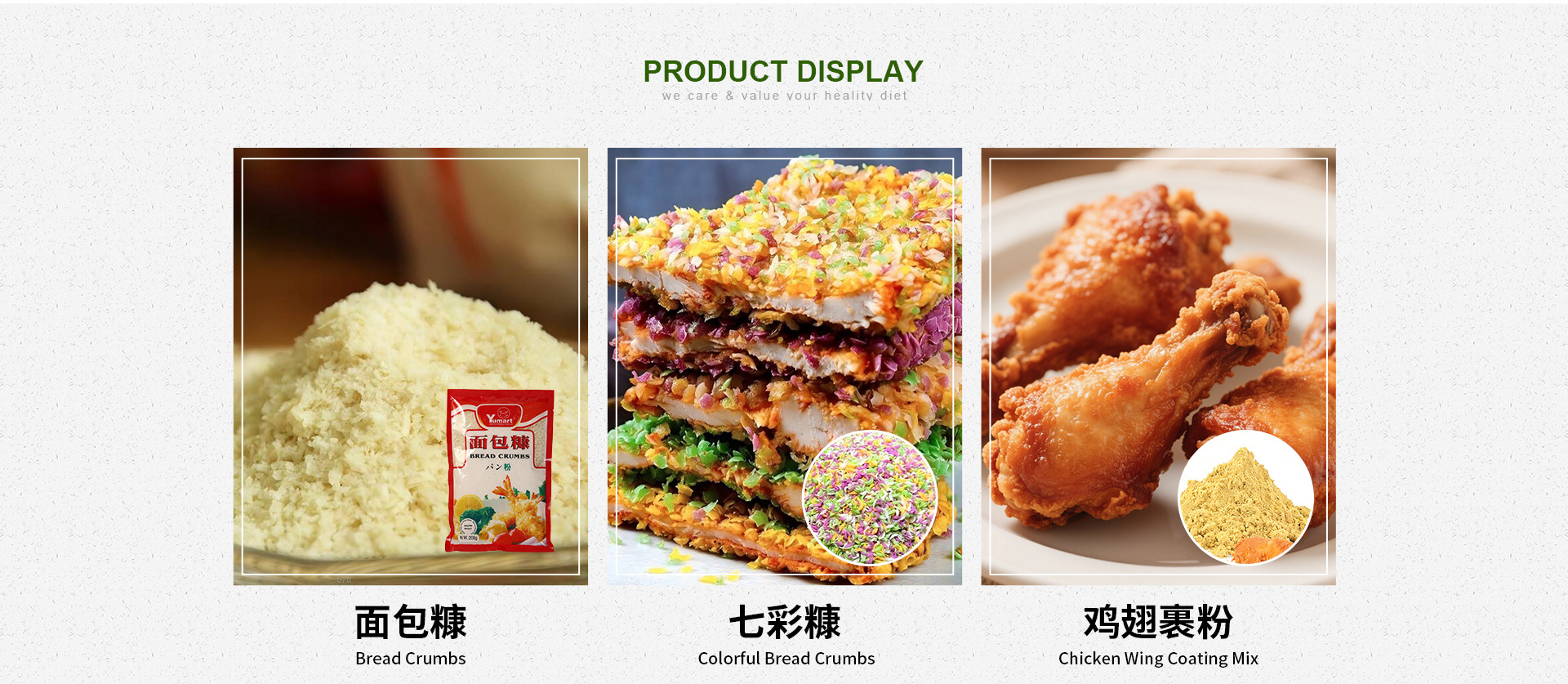
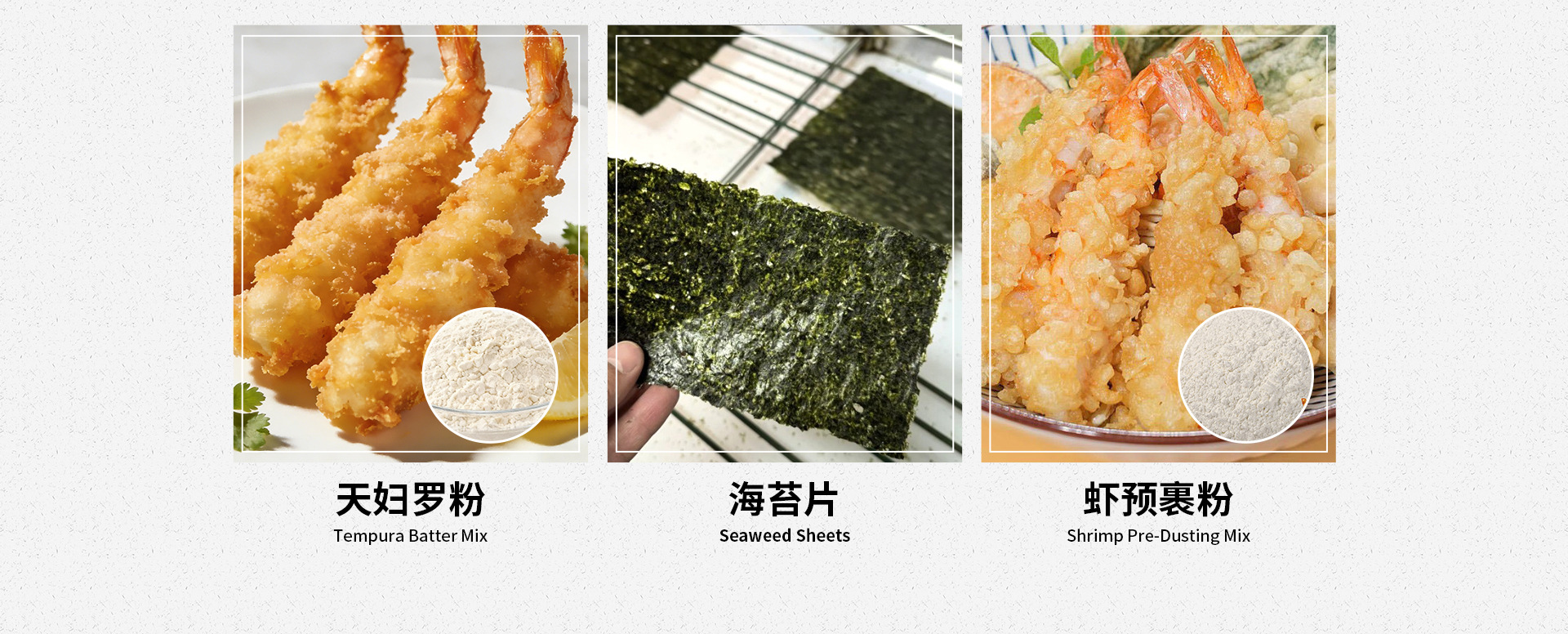
Beyond drying raw materials, our facilities handle specialized milling, seasoning blending, and customized coating formulation. From standard Panko breadcrumbs to functional batter mixes and customized seaweed (nori) sheets, we support large-scale OEM/ODM projects. Our processing lines feature advanced metal detection, density separation, and optical sorting systems to eliminate foreign matter and ensure high batch uniformity.
Targeted solutions for retail, hospitality, convenience stores, and industrial food manufacturing.
Addressing the growing demand for clean-label formulation, ecological packaging, and supply security.
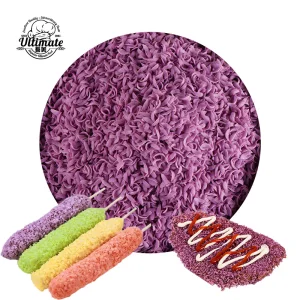
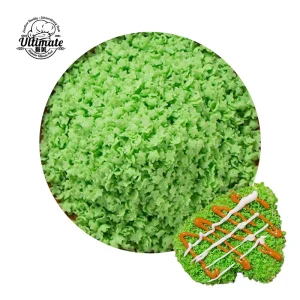
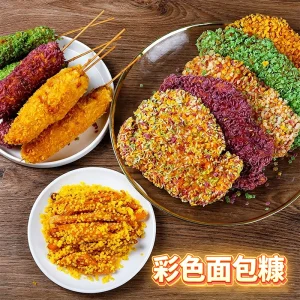
Modern procurement managers prioritize clean labels. The reduction of synthetic preservatives and artificial colors has increased interest in natural functional alternatives. For instance, colored breadcrumbs utilizing natural vegetable juices (such as purple sweet potato or pumpkin extracts) satisfy the visual and clean-label demands of premium Japanese retail outlets.
To ensure supply chain resilience, corporate buyers prefer long-term procurement agreements. Stabilizing price fluctuations through crop futures contracting and maintaining safety stock levels in strategic ports (such as Tokyo, Osaka, and Kobe) helps mitigate the risks of geopolitical and logistic volatility.
Advanced commercial food formulations developed to meet clean label initiatives and texture stability parameters.
Beijing Haining Times Technology Co., Ltd. - State-of-the-Art Production Lines Serving Global Distributors.
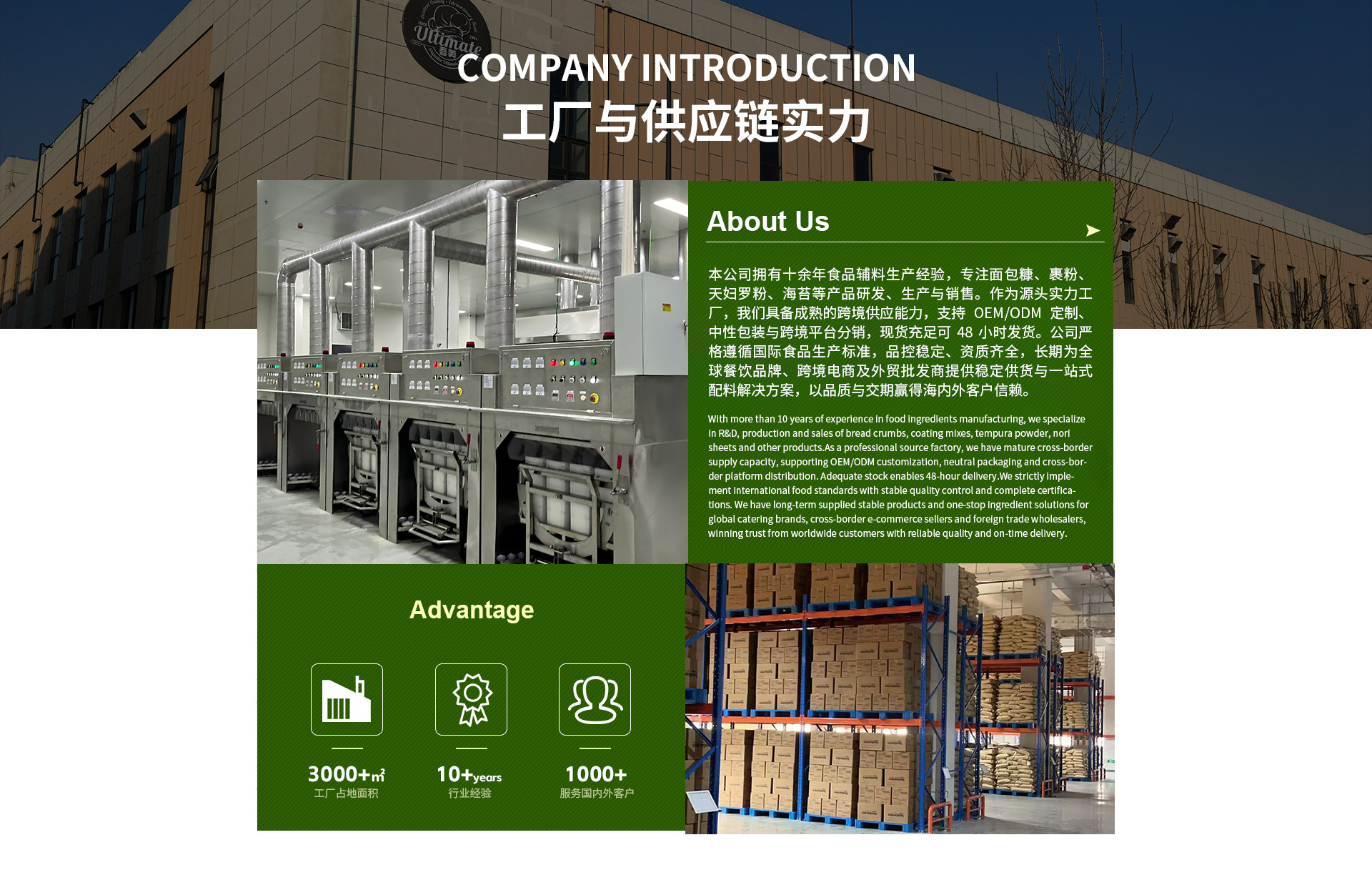
Beijing Haining Times Technology Co., Ltd. is a leading manufacturer specializing in consumer food processing solutions and bulk ingredient exports. With extensive manufacturing credentials and established export channels, we maintain a year-round inventory of food processing machinery (such as automated noodle makers and ice cream dispensers) alongside high-capacity production lines for dry coating mixes, Panko breadcrumbs, and dehydrated seasoning ingredients.
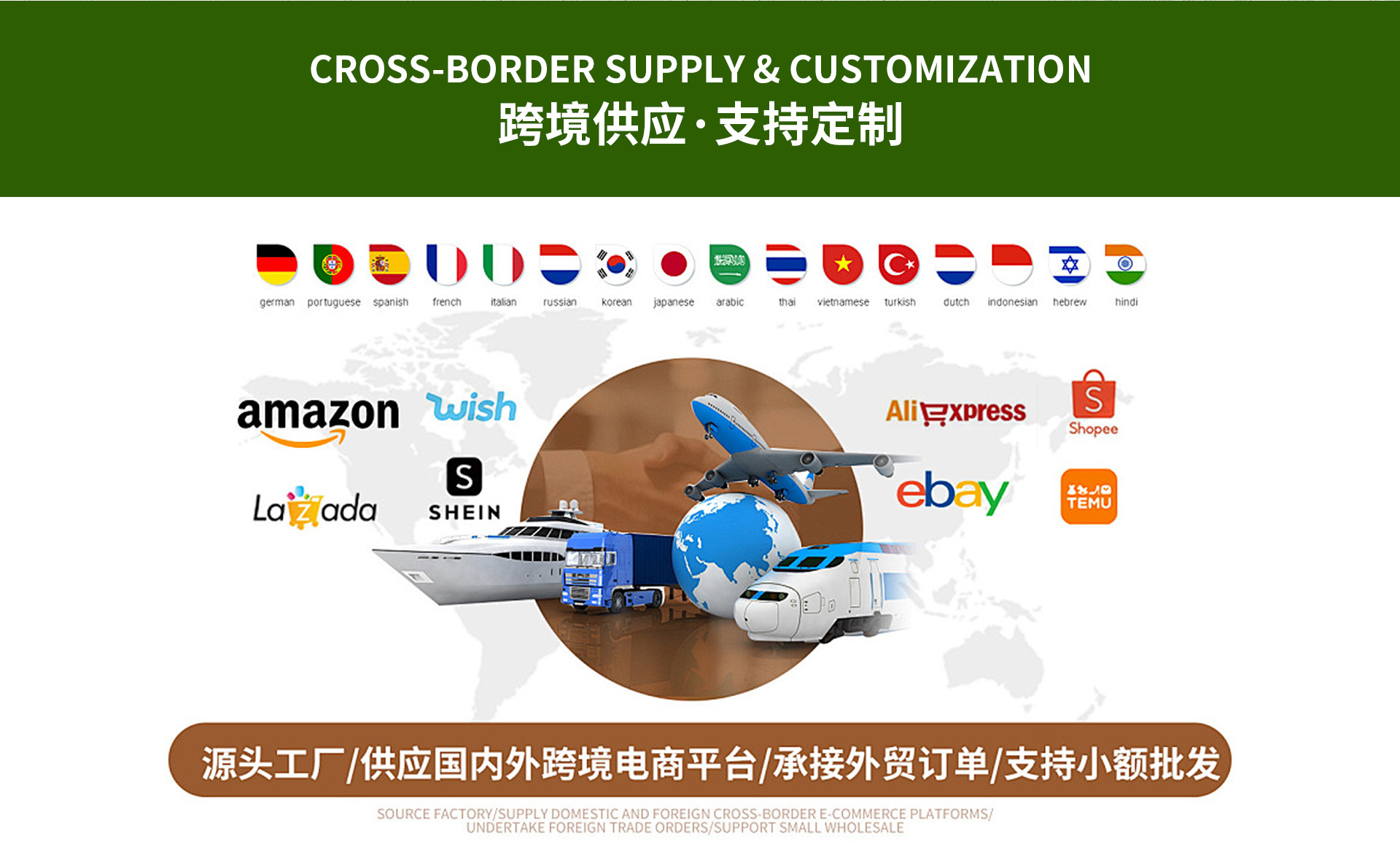
We support comprehensive OEM/ODM custom processing to meet the regulatory, packing, and formulation criteria of cross-border buyers and institutional suppliers. Backed by solid technical execution and dynamic supply chain integration, we offer consistent delivery schedules and certified compliance reports for major trading ports worldwide.
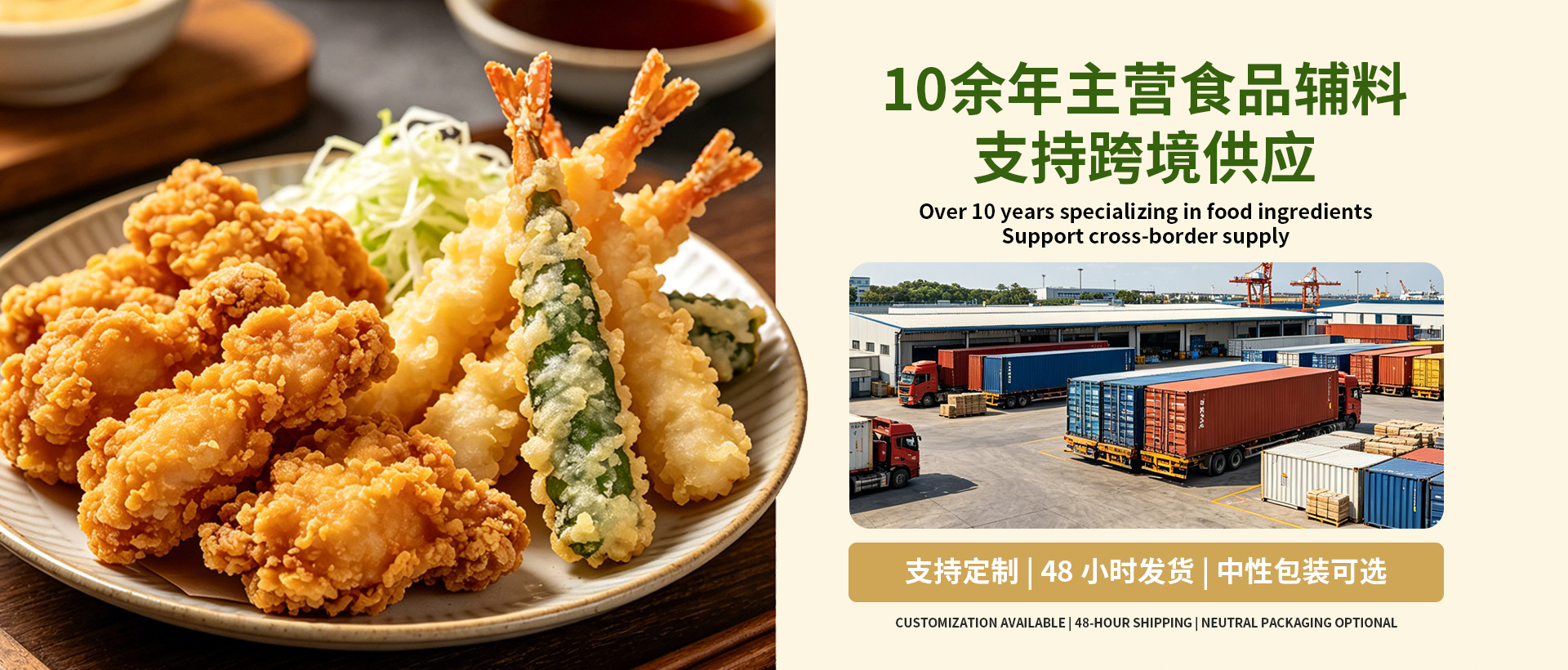

Addressing compliance, packaging, custom orders, and logistical routing parameters for Japan market entry.
 Baking Supplies