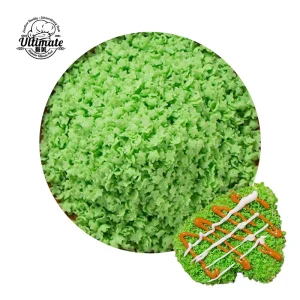
Engineered for high-volume quick service restaurants (QSR), convenience food producers, and commercial bakeries across Seoul Capital Area.
An in-depth analysis of processing evolution, localized consumer behaviors, and supply chain paradigms in South Korea's capital.
Commercial bakeries in Mapo, Gangnam, and Yeongdeungpo require continuous inputs of clean-label dehydrated vegetables and premium binding matrices for savory pastry lines and traditional K-bakery trends.
Consumer pressure in South Korea has triggered strict standards regarding food additives. Raw materials, specifically dehydrated scallions, carrots, and cabbage flakes, must feature zero artificial sulfur dioxide levels.
Rising land costs around the Seoul Gyeonggi metropolitan region demand just-in-time warehouse strategies. Industrial ingredients must feature high bulk density and long-term shelf stability to offset storage costs.
The Seoul food industrial zone is witnessing an unprecedented transition from standard wheat flour operations to specialized, value-added baking systems. Rapid growth in "K-Bakery" franchises (such as Paris Baguette and Tous Les Jours) alongside independent artisanal chains has placed extraordinary demands on dry raw material consistency. Specifically, there is a surging need for premium dehydrated vegetable flakes, specialized panko breadcrumbs, and pre-formulated batter mixes that can withstand industrial mechanical handling while maintaining localized flavor profiles.
In addition, convenience foods (Home Meal Replacements - HMR) are taking center stage in the purchasing patterns of single-person households in Seoul. Dehydrated ingredients are no longer simple fillers; they are key structural and flavor components. For example, dehydrated green onions, garlic, and mushrooms must rehydrate in under three minutes while retaining their original texture, color, and nutritional value to satisfy discerning urban consumers.
To succeed in the highly regulated South Korean food sector, processing technologies must meet the stringent guidelines monitored by the Ministry of Food and Drug Safety (MFDS). We employ three distinct manufacturing pathways to ensure our products align with global and local buyer expectations:
Our industrial AD facilities process root vegetables, leafy greens, and cruciferous crops. Using multi-stage conveyor driers with continuous temperature control, we preserve the natural enzymatic activity and pigmentation of vegetables like spring onion, carrot, and cabbage. This method guarantees a moisture level of less than 6%, preventing microbial propagation during transit across East Asia.
For premium applications in pastry, confectionery, and functional foods, our FD process utilizes sublimation in vacuum chambers at temperatures below -40°C. This technique preserves the exact cellular structure of the raw material, ensuring instantaneous rehydration and preservation of aromatic compounds. This is highly suitable for premium baked toppings and high-end instant soups sold in Seoul’s central business districts.
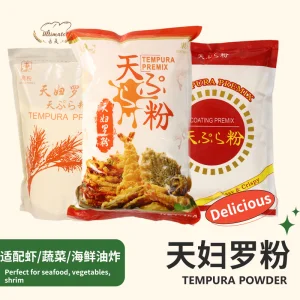
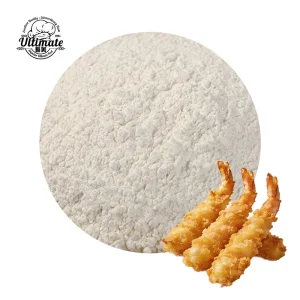
For industrial soup powders, baking mixes, and seasoned coatings (like our customized Tempura and Breading Powders), precise particle distribution is vital. We utilize laser diffraction particle sizing to ensure uniform dispersibility, preventing clumping in automatic mixing lines in industrial food preparation centers.
How advanced automation, digital tracking, and strategic maritime logistics benefit B2B food operations in Seoul.
Global food security and shipping volatility require highly reliable, high-yield manufacturing partners. Our production centers in China leverage the latest Factory 4.0 paradigms to optimize the supply chain from farm sourcing to destination warehouses in Seoul (via Incheon Port/Gyeongin Port):
This systematic optimization ensures that food processing giants, convenience store suppliers, and large catering chains based in Seoul receive premium ingredients with unparalleled batch-to-batch consistency and competitive pricing.
From traditional street foods to highly engineered convenience foods, our ingredients are key building blocks.
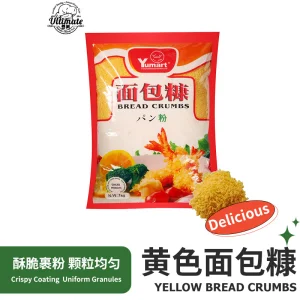
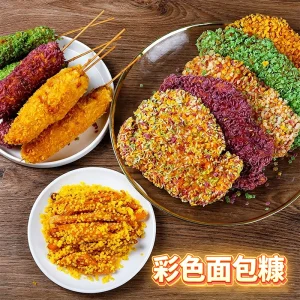
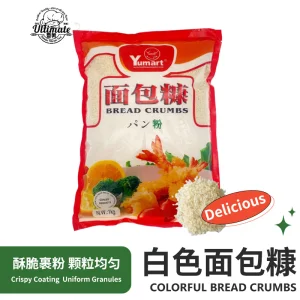
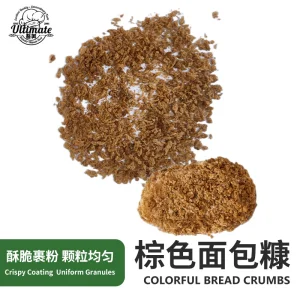
The iconic crunch of Korean fried chicken requires specialized breading systems. Our Panko breadcrumbs and crispy frying powders are designed for low oil absorption, helping products stay crispy even during delivery runs throughout the Seoul metropolitan area. Our purple and colored breadcrumbs allow local brands to differentiate their menus visually without using artificial dyes.
High-end bakery chains rely on dehydrated scallions, onions, and red pepper flakes to create distinctive savory rolls and vegetable-infused loaves. Using dehydrated rather than fresh vegetables prevents excess moisture from altering the dough's hydration ratio, guaranteeing consistent baking outcomes.
Seoul’s rapid lifestyle drives massive demand for ready-to-eat meals. Our custom vegetable blends rehydrate smoothly in hot water, restoring their natural color and texture to provide an appealing consumer experience.
Direct answers to questions regarding import regulations, logistics, customization, and quality control.
Beijing Haining Times Technology Co., Ltd. is a leading source manufacturer specializing in high-performance food processing machinery and consumer technology. With independent manufacturing qualifications and robust export capabilities, we maintain large-scale stock of noodle machines, ice cream machines, and commercial food equipment. We provide comprehensive OEM/ODM customization services to satisfy cross-border clients, corporate users, and specialized food service providers. Leveraging our solid production infrastructure and resilient supply chain, we serve B2B clients globally with guaranteed quality and reliable delivery fulfillment.
Our processing equipment plays a key role in automated production lines, helping commercial bakers, noodle makers, and snack factories in Seoul achieve uniform production and reduce operating costs.
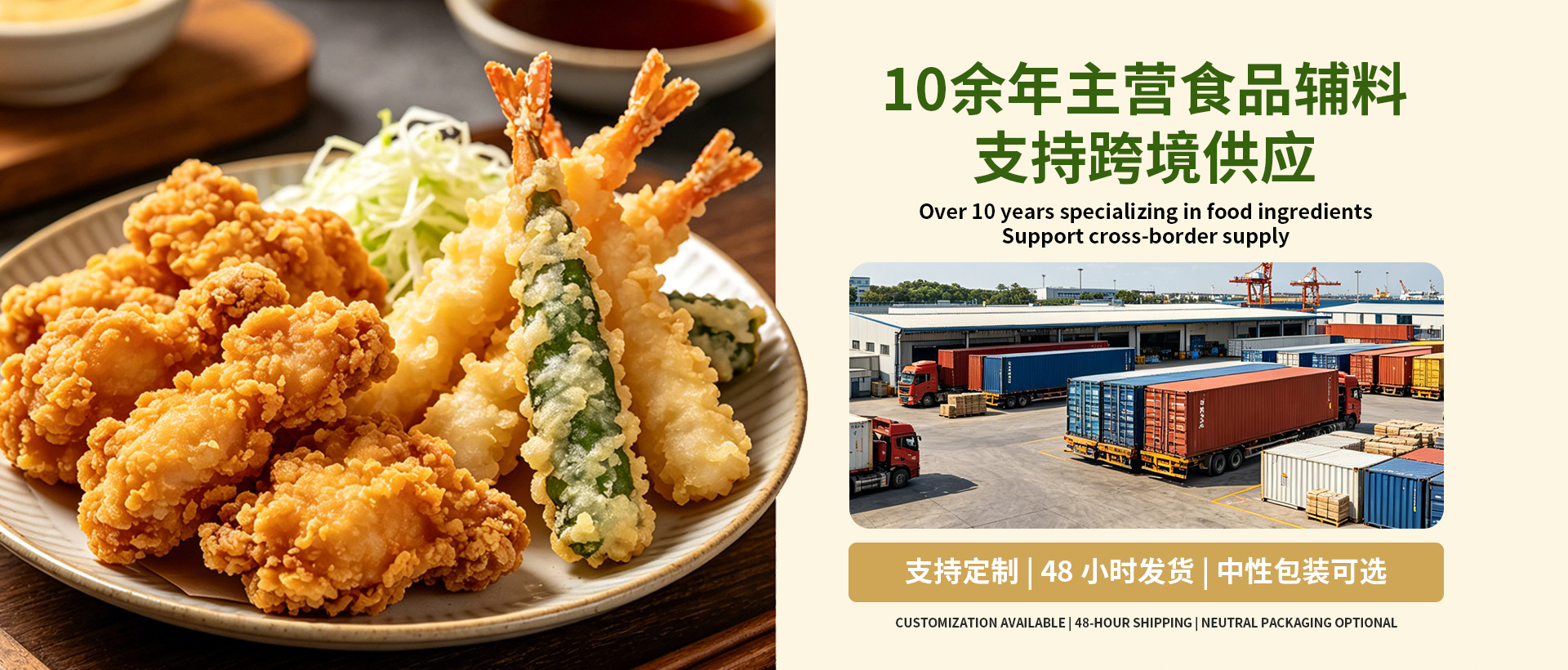

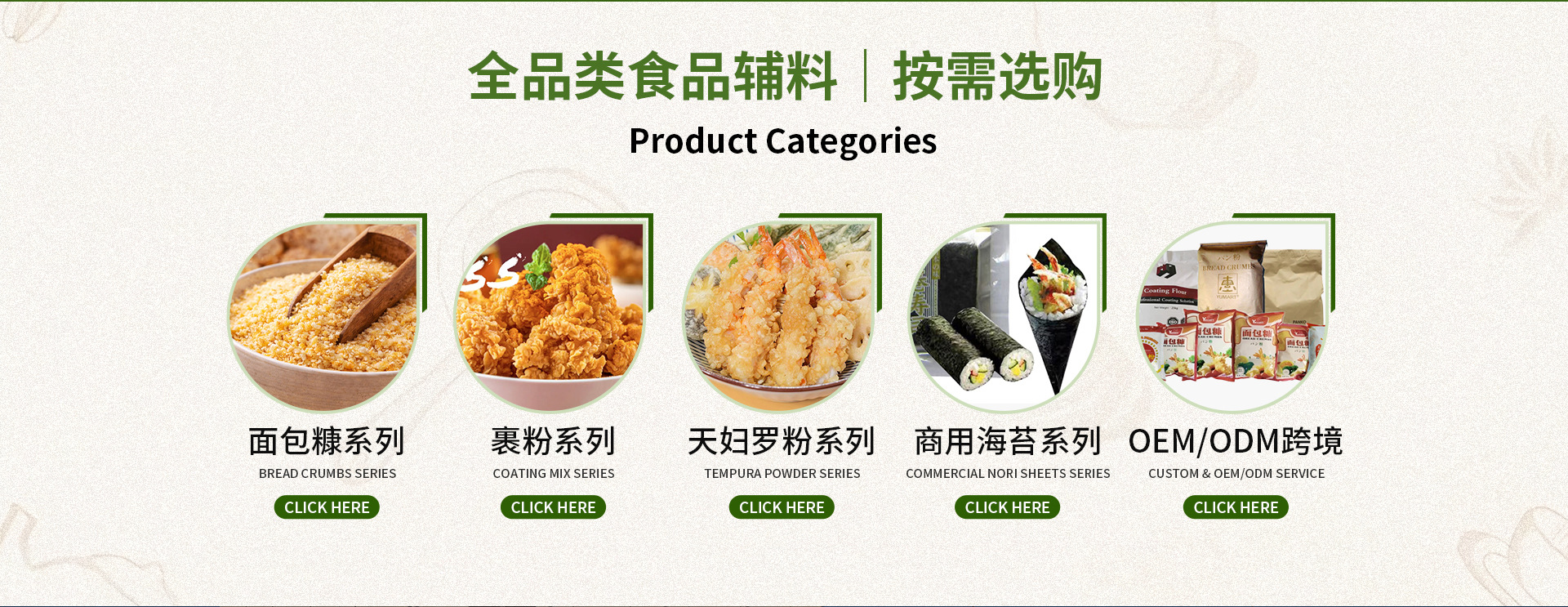
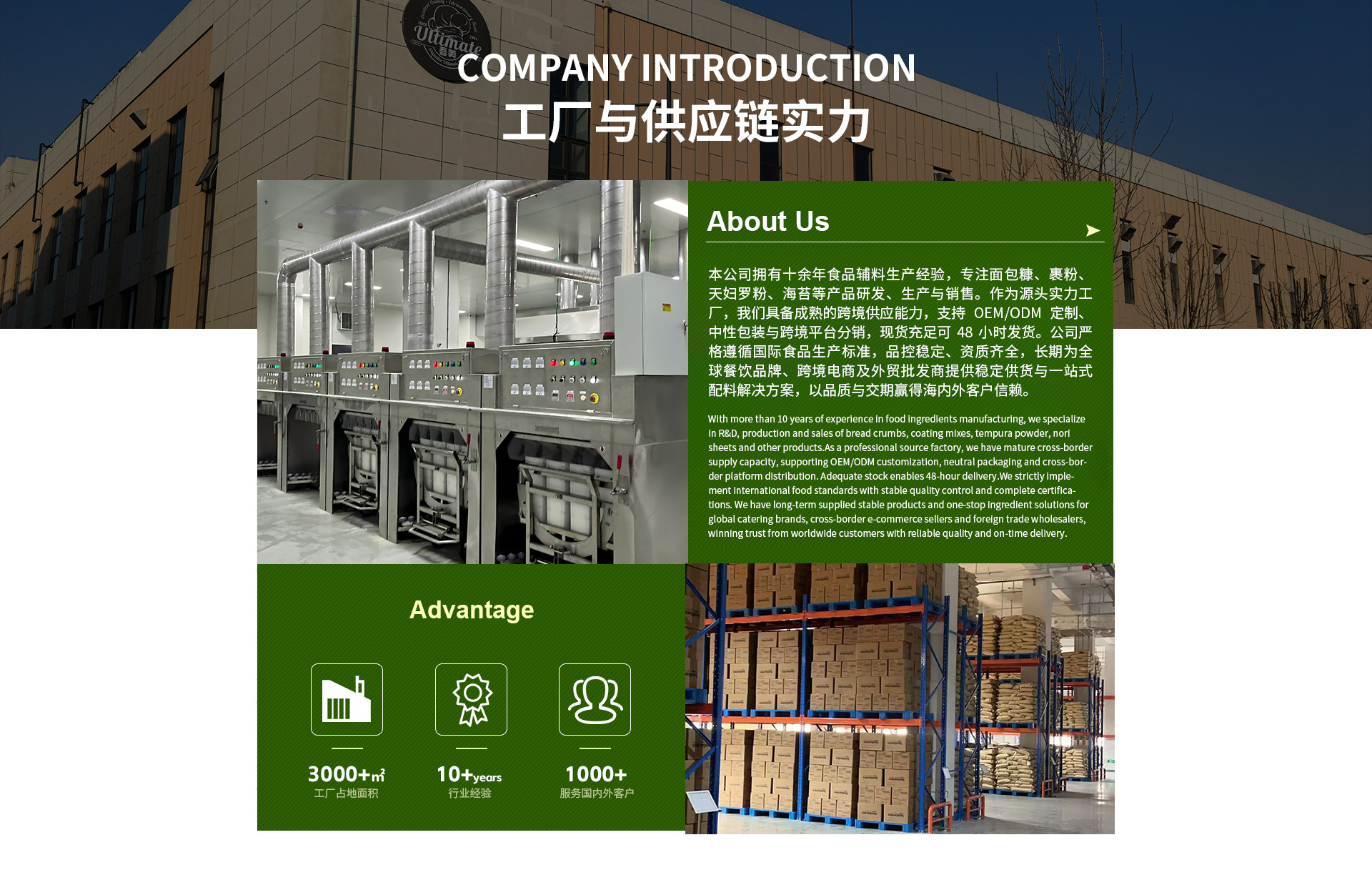
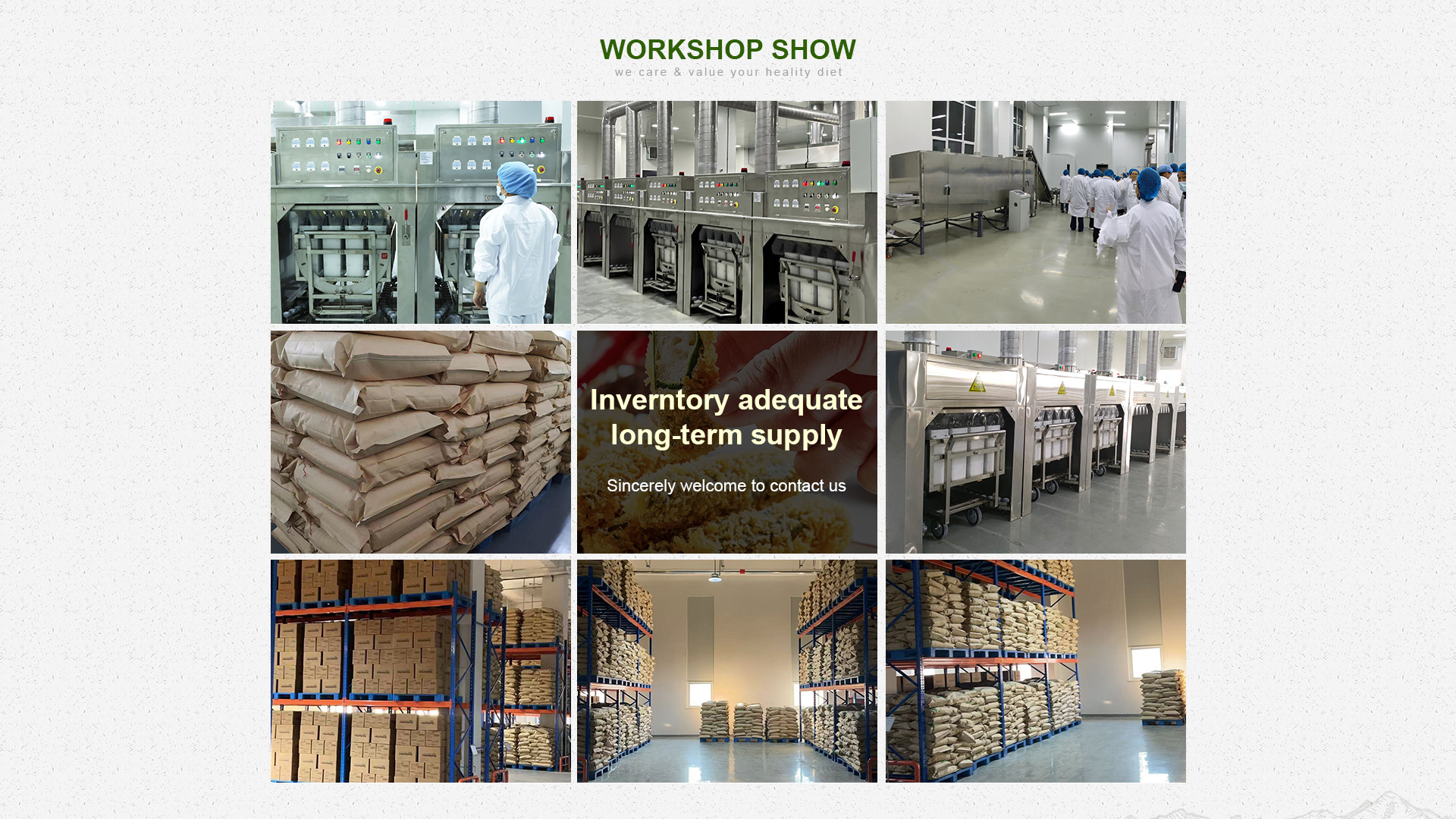
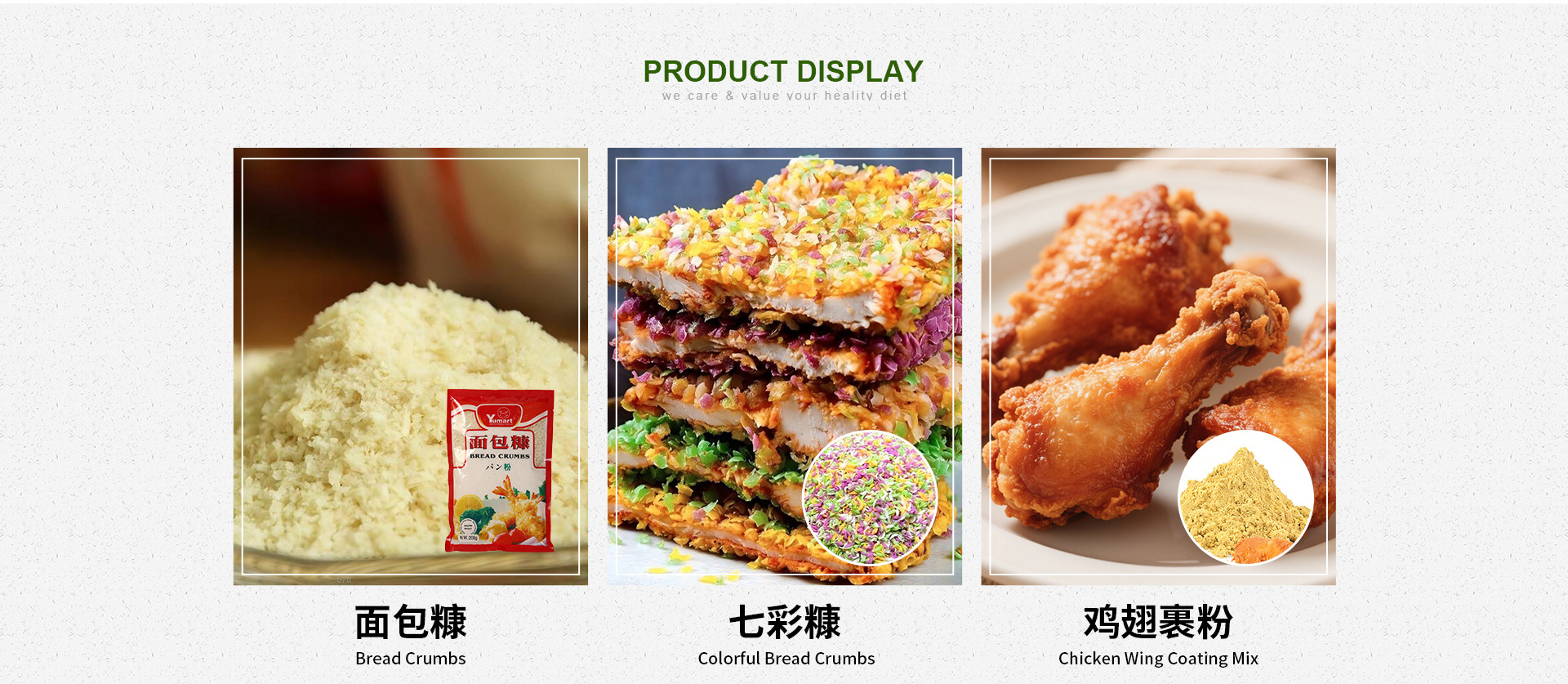
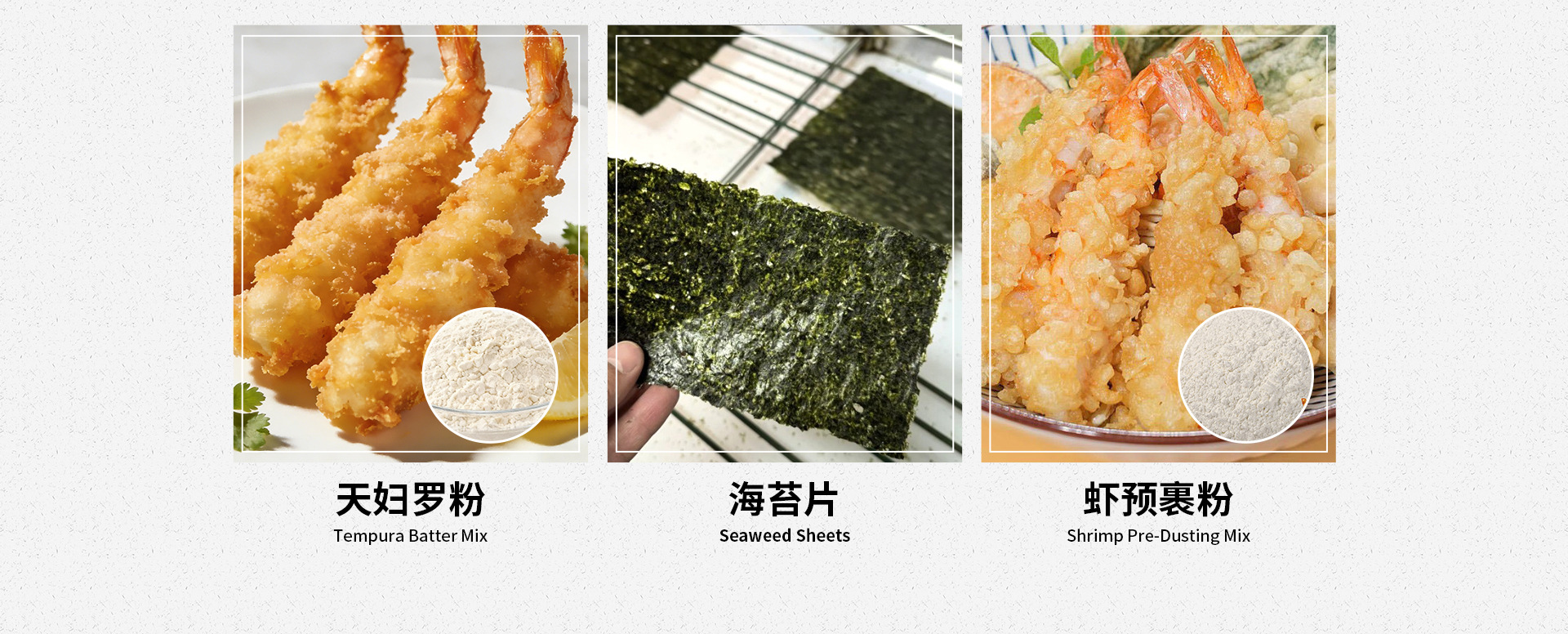
Explore our full range of specialty starches, breadings, and functional culinary mixes manufactured to international food safety standards.
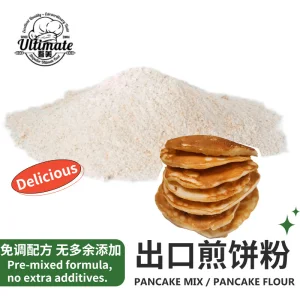



 Baking Supplies