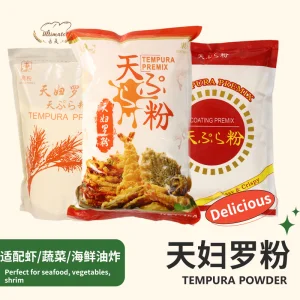
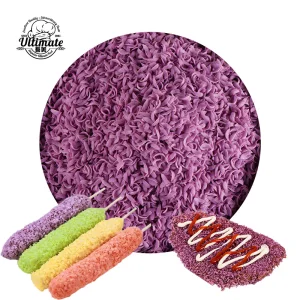
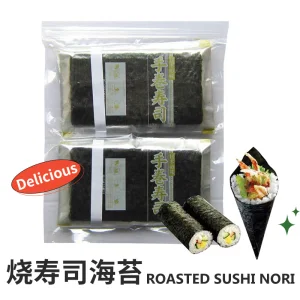
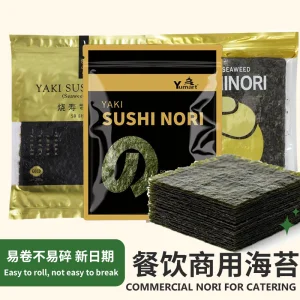
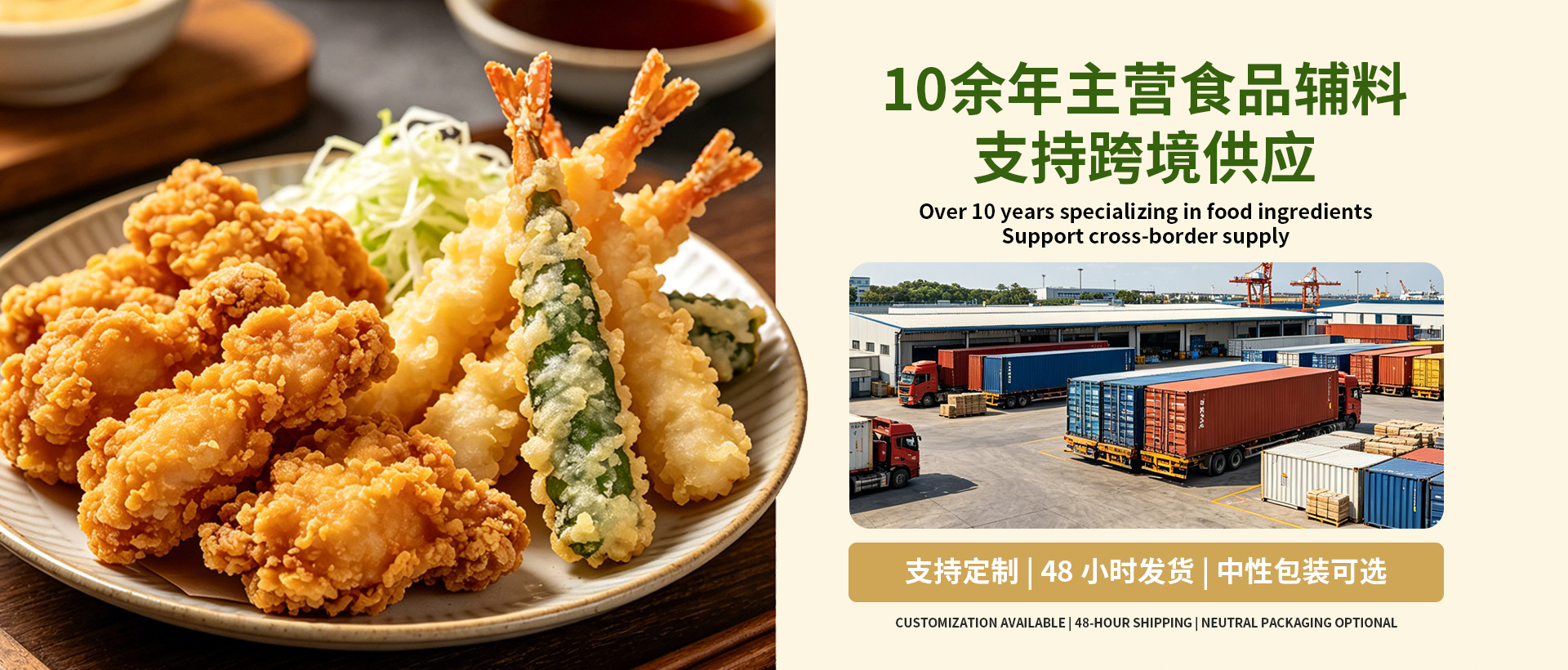
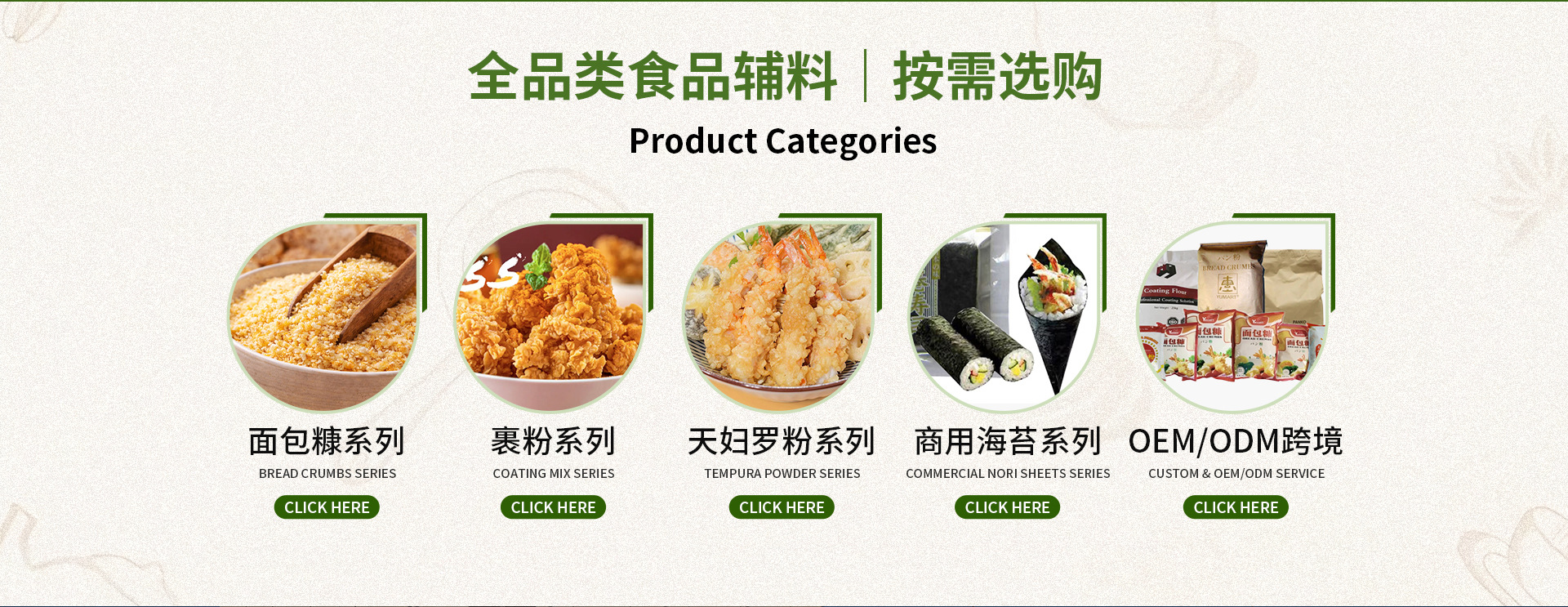
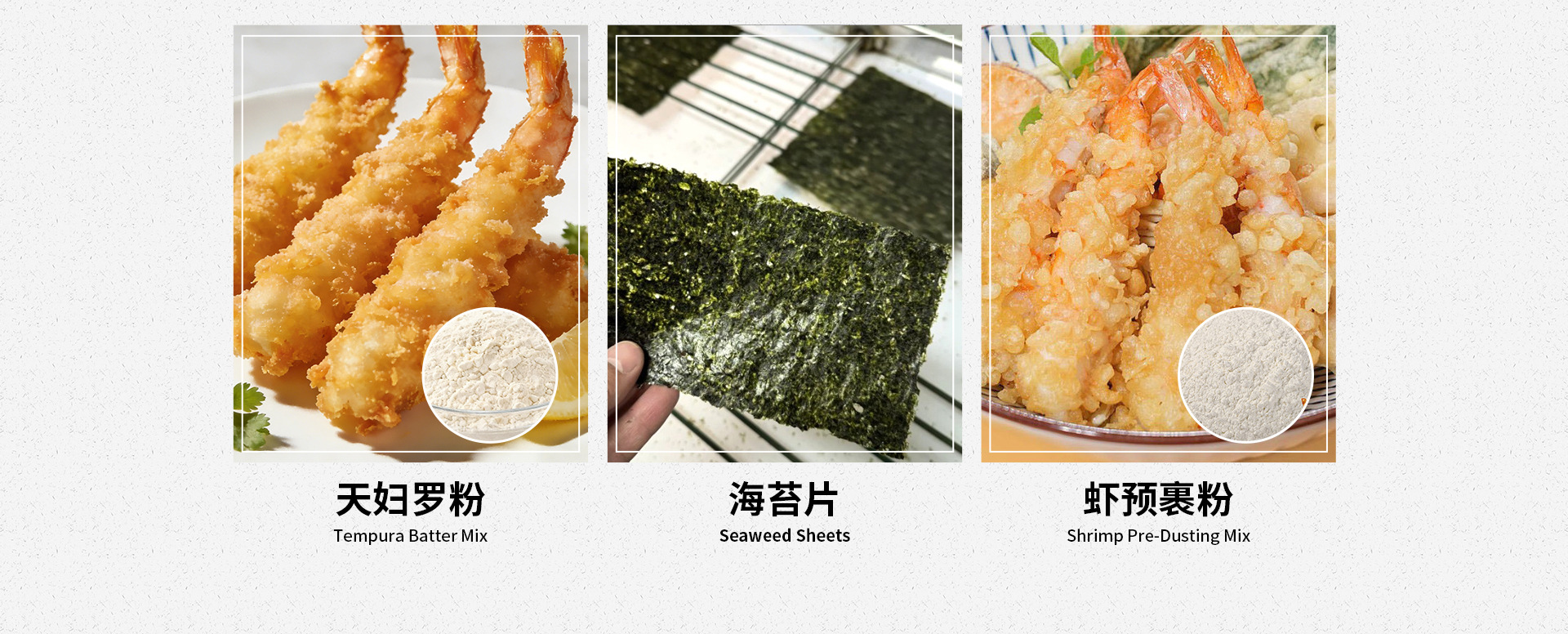
Direct factory sourcing of premium food coating components and specialty nori sheets designed specifically for European food service standards and Polish retail chains.
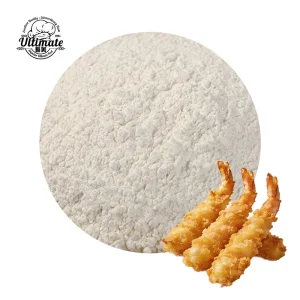
Integrating state-of-the-art thermal engineering and strict EFSA-compliant quality control lines to deliver zero-loss nutrient retention.
We deploy high-vacuum freeze-drying (FD) and multi-stage hot air dehydration (AD) to preserve natural color structures, delicate phytonutrients, and native organoleptic profiles of harvested raw crops.
Fully certified under IFS Food V7, BRCGS, and HACCP frameworks. We offer 100% clean-label dehydrated products with zero additives, zero artificial preservatives, and strict non-GMO sourcing guarantees.
Utilizing high-throughput Buhler optical sorters and dual x-ray physical contaminant detection to ensure 99.99% purity across granulated, flaked, and powdered dehydration channels.
In the modern global food supply chain, dehydrated vegetables represent a critical vector of innovation, resource efficiency, and sustainability. For the Polish market—which serves as the primary agricultural and food processing gateway of Central and Eastern Europe (CEE)—dehydrated ingredients have shifted from standard commodities to high-tech, functional food systems. In the face of intense energy dynamics, shifting consumer preferences, and rigorous European food safety frameworks, selecting the right partner among global dehydrated vegetables manufacturers is a strategic imperative.
Poland's position as a dominant agricultural powerhouse within the European Union has catalyzed the growth of a sophisticated food processing ecosystem. The country is a primary hub for the manufacturing of instant soups, processed convenience meals, freeze-dried snacks, baby foods, and pet foods. Polish producers rely heavily on stable, year-round access to premium ingredients, insulated from seasonal crop variations and climate volatility.
Key drivers pushing the demand for dehydrated vegetables in the Polish market include:
On a global scale, the dehydrated vegetable market is undergoing a transition driven by tech-enabled cultivation and processing. Traditional raw-material sourcing is no longer sufficient. Leading manufacturers must integrate digital agriculture, vertical integration, and energy-efficient drying systems to keep pace with demand.
The global production model is shifting toward custom dehydration routes: Air Drying (AD), Freeze Drying (FD), and Vacuum Microwave Drying (VMD). By optimizing the moisture levels down to less than 5%, transport weight is slashed by up to 90%, significantly reducing the carbon footprint of transcontinental logistics. This efficiency makes dehydrated ingredients a cornerstone of green procurement policies for major European food conglomerates.
As search intent data and buyer behavior indicate, commercial food buyers are increasingly searching for organic dehydrated powders and clean-label colorants. Key trends shaping the future of this industry include:
Annual Processing Capacity
EFSA Traceability
Moisture Level Guarantee
Quality Control Auditing
Tracing our comprehensive scientific methodology that guarantees structural integrity, microbial safety, and long shelf life.
All agricultural raw inputs undergo strict agronomic screening prior to harvesting. Contract farms operate under Good Agricultural Practices (GAP), ensuring soil purity, controlled irrigation, and strict monitoring of chemical fertilizer utilization. We execute real-time crop testing to guarantee that raw carrots, onions, leeks, potatoes, and celery meet clean-label requirements from day one.
Depending on the final application, we route crops through two primary drying tracks:
To meet the ultra-strict standards of Polish and EU baby food and dairy manufacturers, our facilities feature continuous steam sterilization and dry-sanitation tunnels. This process reduces total plate count (TPC), yeast, mold, and enterobacteriaceae to negligible levels without altering the product's natural aroma or nutrition. Finally, raw material is milled or diced into custom configurations: from 10mm flakes down to ultra-fine 80-mesh powders.
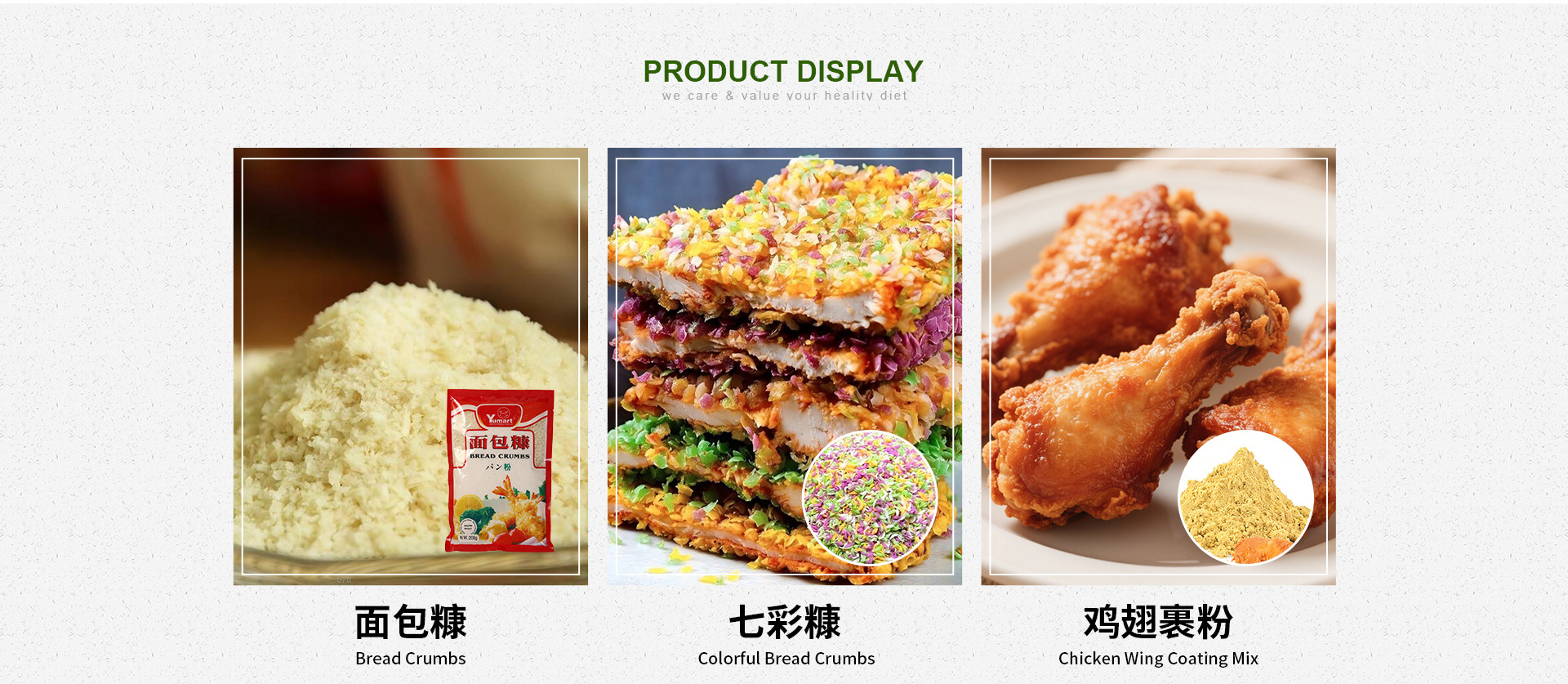
Premium coating solutions, panko breadcrumbs, and functional mixes manufactured under global safety certifications for European retail packaging and catering industries.
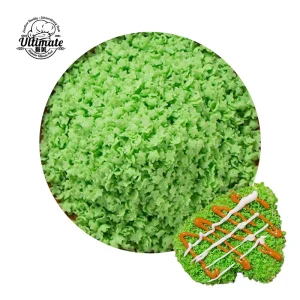
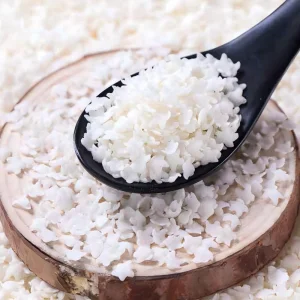
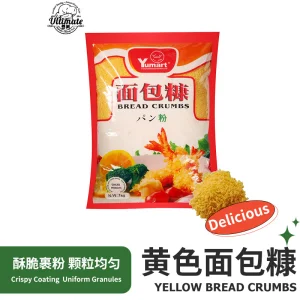
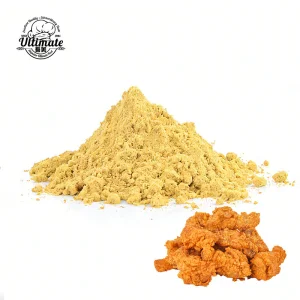
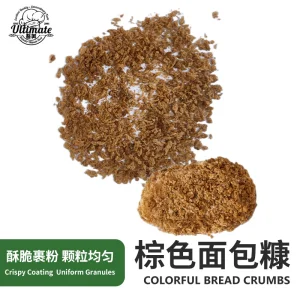
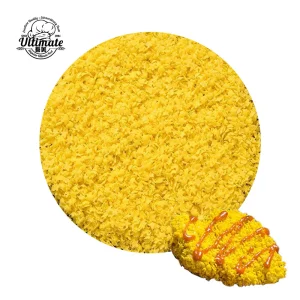
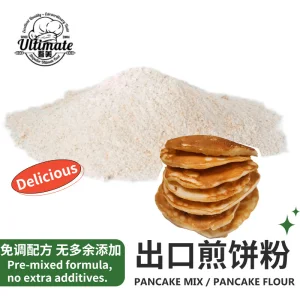
Beijing Haining Times Technology Co., Ltd. delivers global food-grade processing and machinery solutions, backed by robust exports and certified operations.
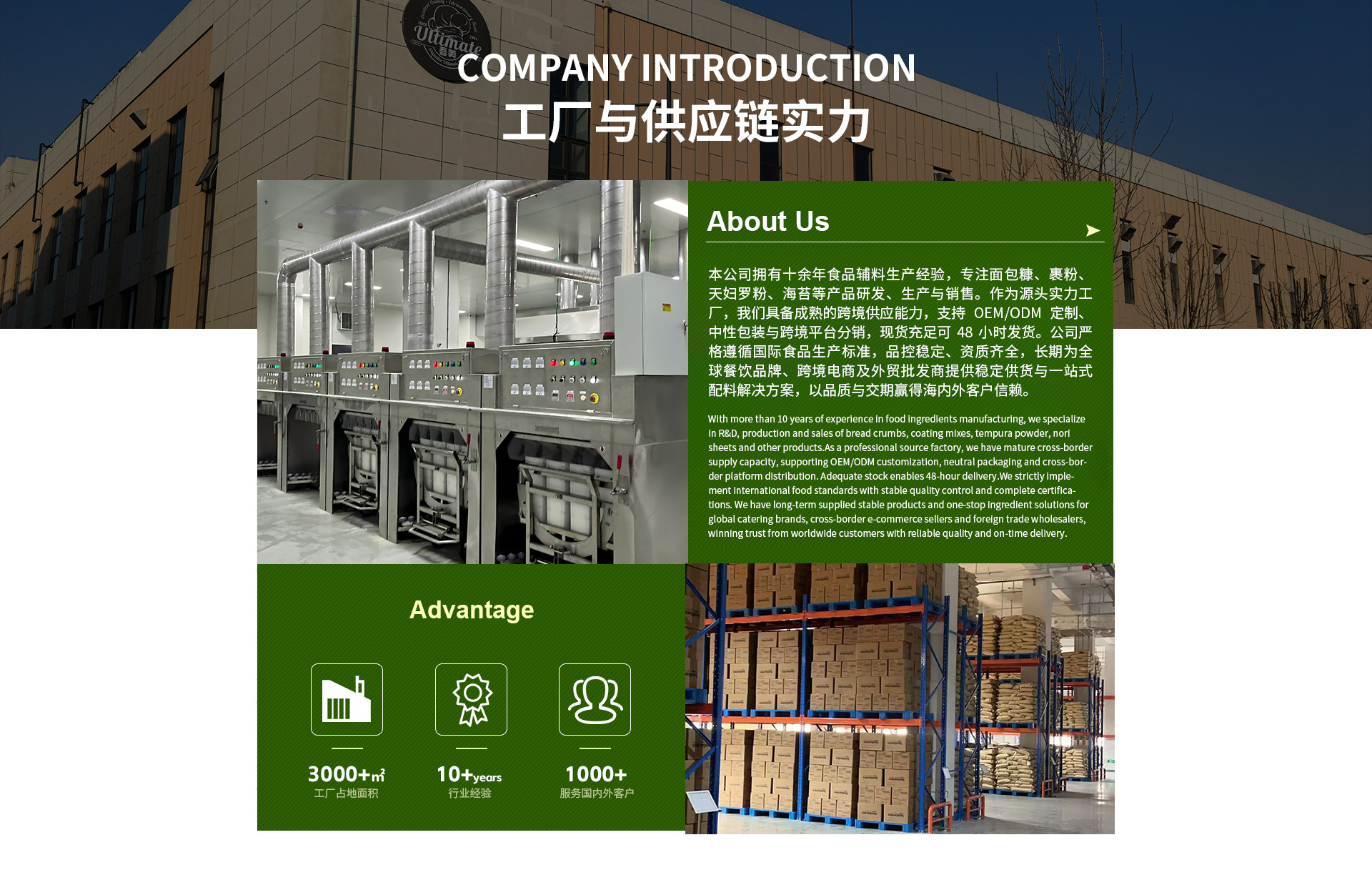
As a premier industrial manufacturer and equipment solution provider, Beijing Haining Times Technology Co., Ltd. (北京海宁时代科技有限公司) stands at the forefront of the food processing and commercial consumer electronics sectors. With direct source manufacturing credentials, we hold comprehensive international quality certifications, enabling stable, high-volume exports to Poland and the broader European market.
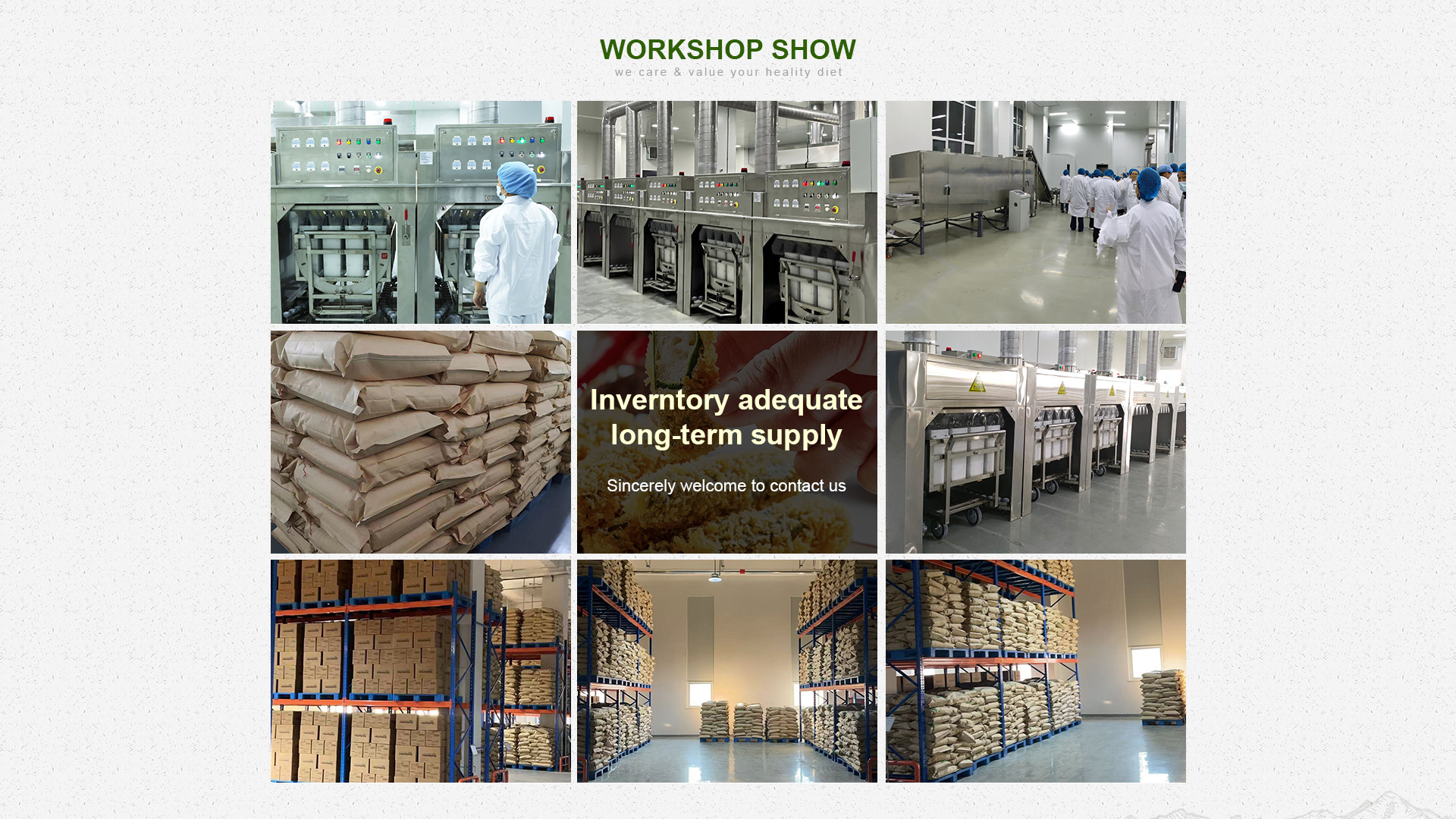
Our state-of-the-art facilities maintain large-scale stock reserves of essential food processing machinery, including advanced industrial noodle machines and commercial ice cream machines. This inventory structure allows us to guarantee rapid response times, immediate order dispatch, and consistent supply chain continuity. Whether you are an industrial brand seeking custom manufacturing or a regional distributor requiring specialized designs, our deep OEM/ODM capabilities can be customized to match your exact regulatory and aesthetic specifications.

How we solve procurement, engineering, and formulation challenges for diverse commercial sectors.
We provide customized dehydrated vegetable blends (carrots, leeks, onions, and cabbage) calibrated to specific rehydration speeds. Our technical team works alongside your R&D department to match the exact buoyancy and absorption profiles required for instant cup noodle products sold across CEE supermarket chains.
Using our plant-based colored breadcrumbs and natural spinach, beetroot, and carrot powders, Polish pastry and baked snack manufacturers can achieve vibrant, stable colors without artificial additives. This direct replacement route enables brands to market their products as 100% natural and clean-label.
Our premium manufacturing lines guarantee exceptionally low microbiological counts (TPC < 10,000 cfu/g) and zero trace pesticide residues. Every batch features fully documented batch coding and laboratory certification, satisfying the stringent baby food manufacturing codes of the European Union.
Get in touch with our food technology engineers to request samples, detailed spec sheets, or custom OEM/ODM packaging options.
Answers to common regulatory, logistical, and technical queries regarding dehydrated vegetable imports to Poland.
 Baking Supplies