Premium-grade imports engineered for processing stability and superior sensory performance in Philadelphia's competitive food processing facilities.
The Greater Philadelphia metropolitan area—anchored by its rich culinary heritage and sprawling industrial processing sectors—stands as a critical hub in the Mid-Atlantic food distribution channel. As macro-economic shifts compel processing operations to seek higher cost efficiencies, sourcing premium raw ingredients and advanced food machinery from global factory exporters has become a key competitive differentiator. From the bustling kitchens of Center City to industrial facilities across the Delaware Valley, the demand for stable, high-performance commercial breading solutions and automated processing equipment continues to rise.
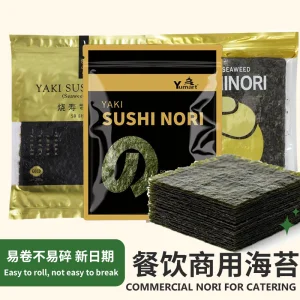
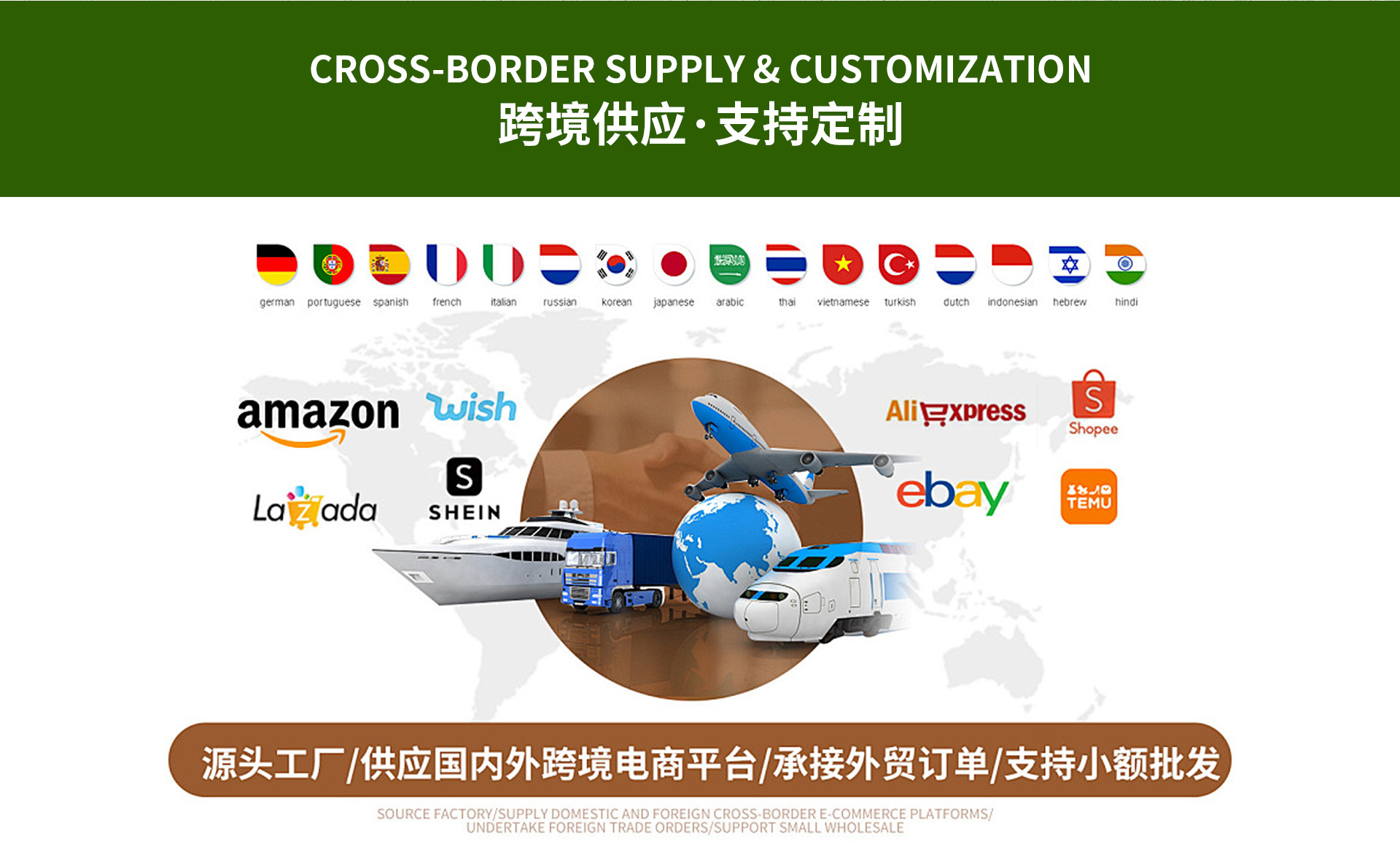
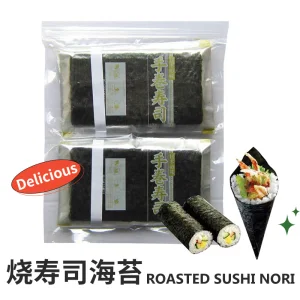
Direct supply lines from our manufacturing centers to PhilaPort allow regional distributors to bypass secondary overland routes. This minimizes transport damage and ensures structural integrity for fragile items like Japanese-style Panko breadcrumbs and dried seaweed sheets.
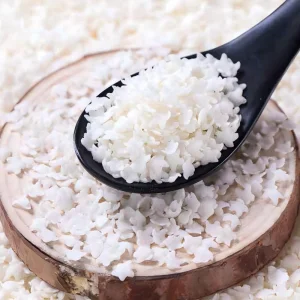
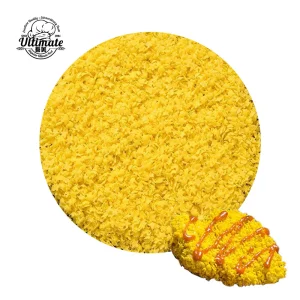
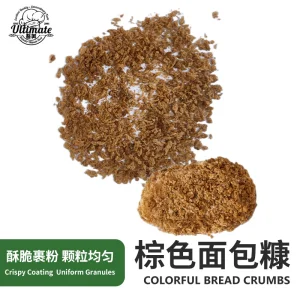
Traditional American breadcrumbs are produced through standard oven heating, resulting in a dense, uniform crumb structure. In contrast, premium Japanese-style Panko is manufactured using advanced electrode-baking technology. By passing electric currents directly through the raw dough, heat is generated uniformly from within, eliminating the formation of a hard, dense crust. This technique yields large, needle-like flakes with a highly porous structure.
For Philadelphia processing plants, this physical configuration reduces oil absorption during the deep-frying cycle by up to 25%. It produces a dry, light, and crisp coating that maintains its texture under heat lamps, making it ideal for the high-volume takeout and delivery segments that dominate the local market.
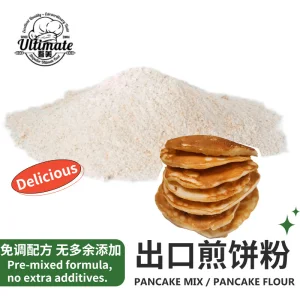
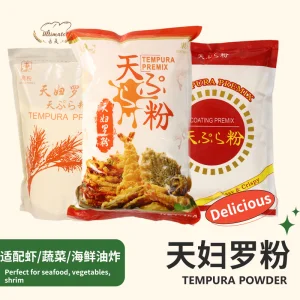
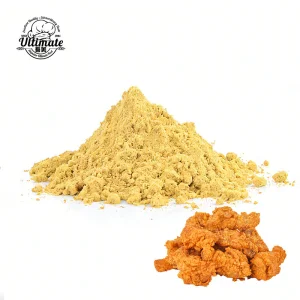
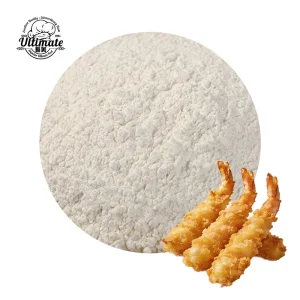
Consistent frying requires careful synchronization between automated preparation machinery and raw ingredients. In food machinery production, mechanical tolerances must match the viscosity and hydration rates of batter powders and pre-dusts. Wumei's tempura and spicy batter powders are formulated with specific starch-to-protein ratios, allowing them to remain stable inside commercial pump systems and mechanical batter applicators. This prevents nozzles from clogging, ensures even coating thickness, and reduces raw material waste.
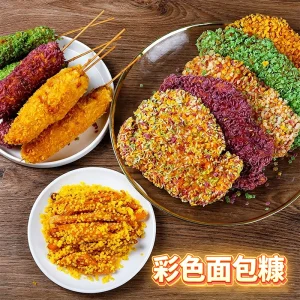
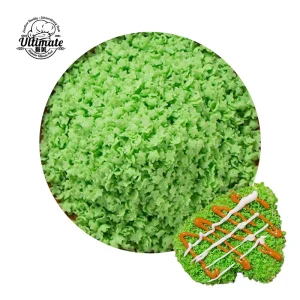
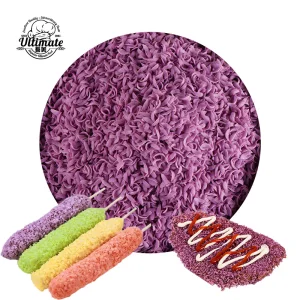
Modern consumers in Philadelphia are increasingly looking for clean labels, prompting food service brands to move away from synthetic colorants (such as tartrazine). To meet this demand, our research department has developed a specialized line of colored breadcrumbs using natural pigments extracted from pumpkin, red beet, and green tea. These formulations retain their color throughout high-temperature frying cycles, allowing processors to offer appealing, vibrant breading systems without relying on artificial additives.
For Philadelphia distributors and manufacturers looking to optimize their overseas supply chains, we recommend evaluating exporters based on these criteria:
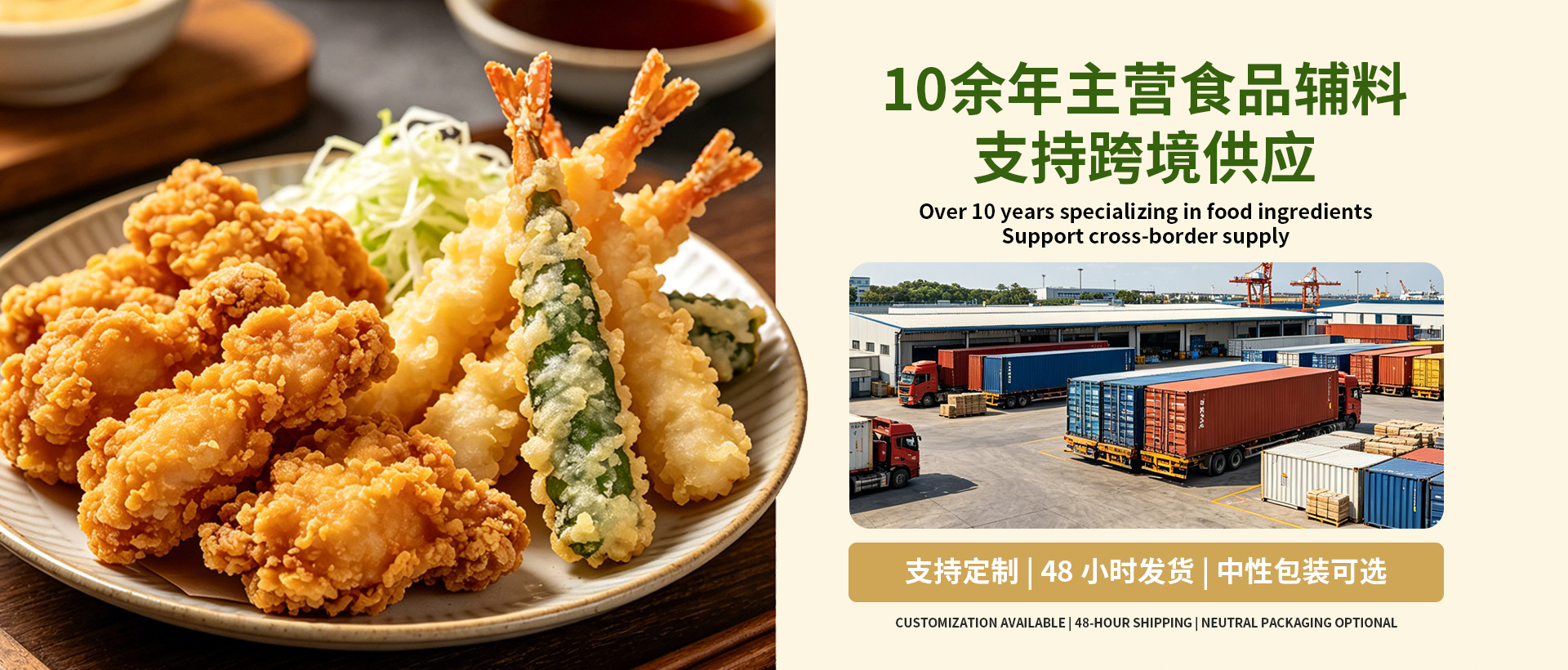
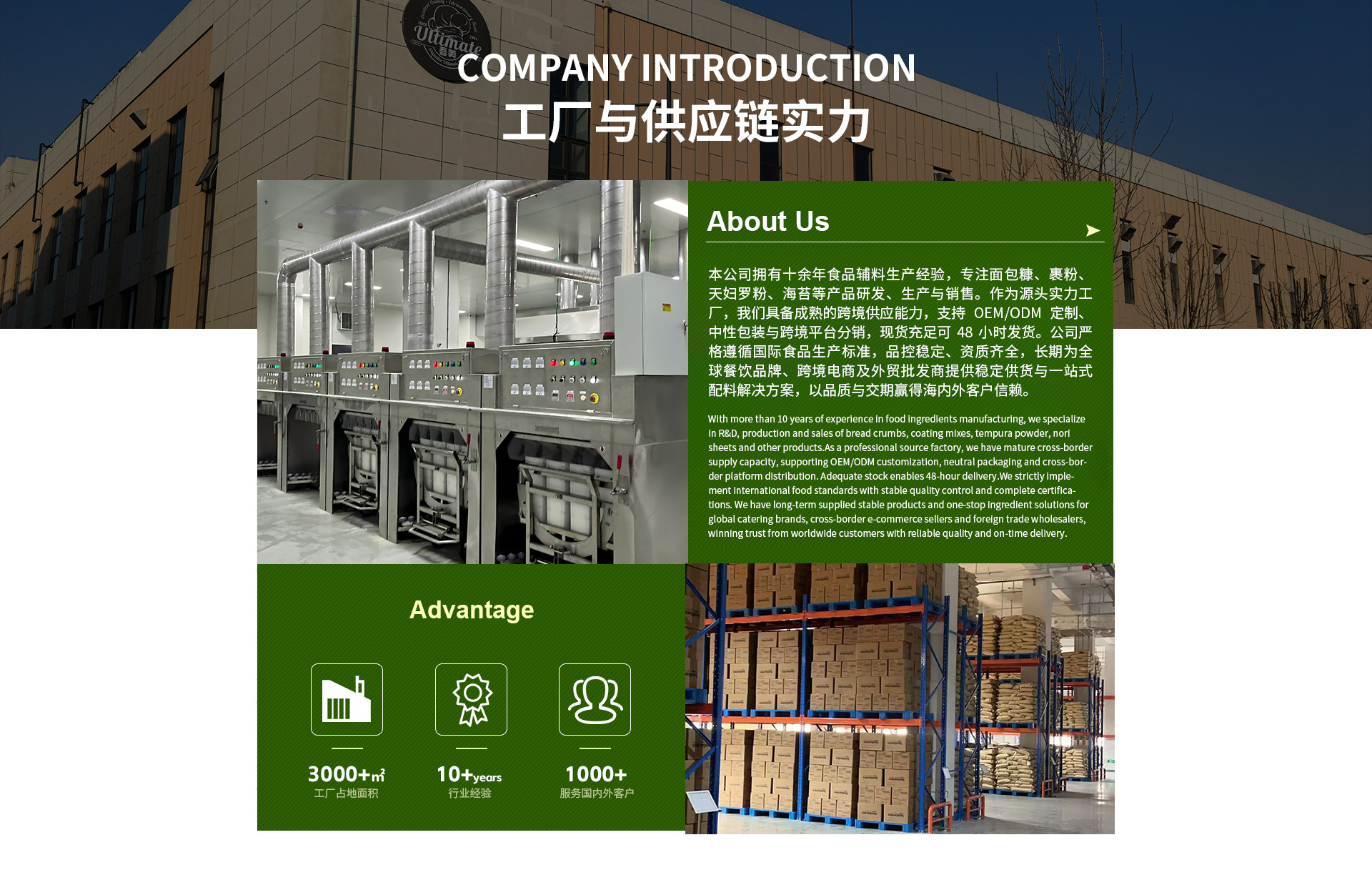
Beijing Haining Times Technology Co., Ltd. (北京海宁时代科技有限公司) is a specialized manufacturer and B2B exporter of commercial food machinery and premium culinary products. We support international supply chains by offering large-scale wholesale production alongside flexible OEM/ODM manufacturing.
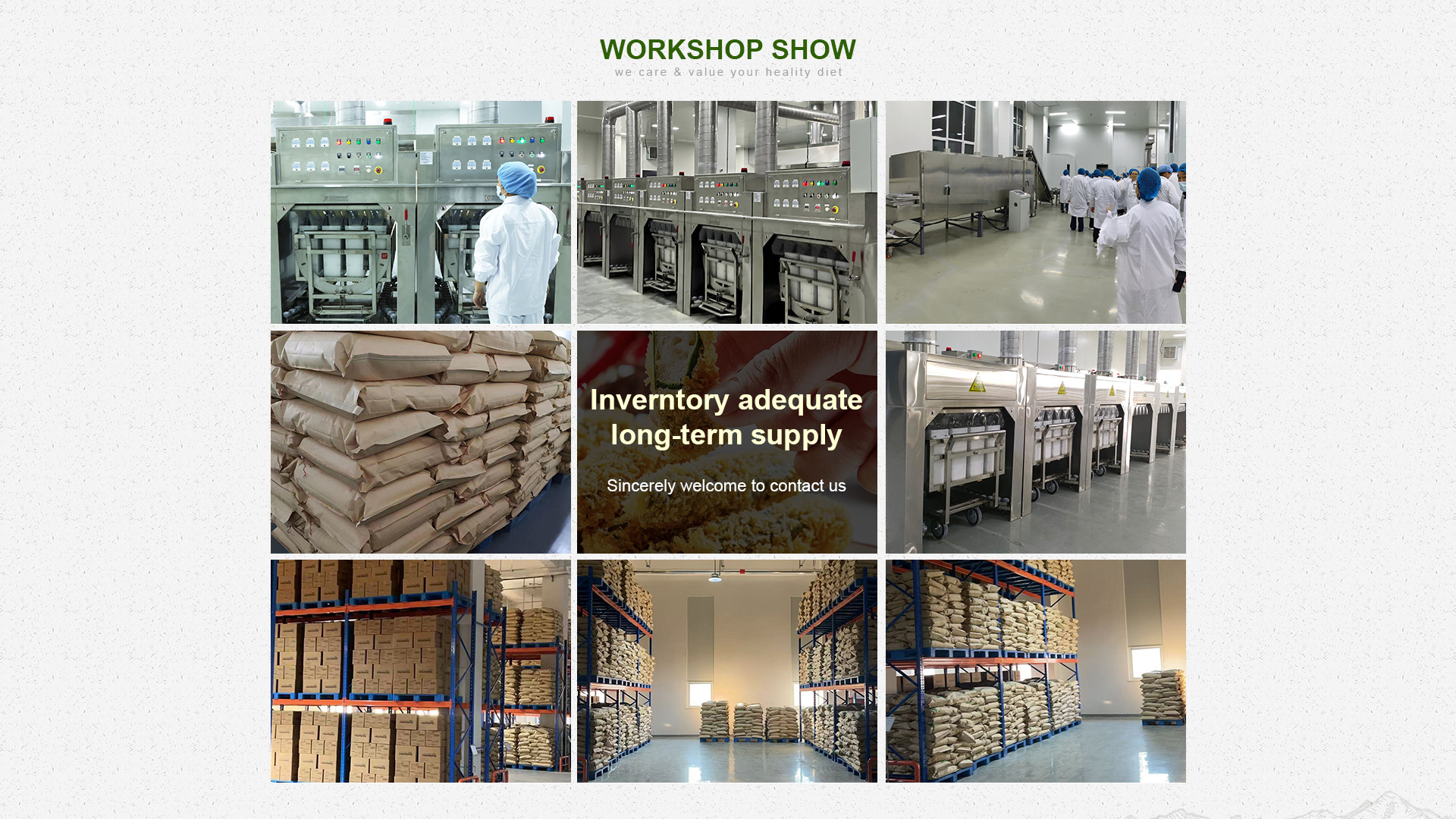
By integrating commercial ingredient formulation with advanced food machinery design (including automated noodle and commercial ice cream systems), our engineering teams develop end-to-end solutions for food brands worldwide. Our production facilities maintain high safety standards, and we keep deep inventories of core items to ensure short lead times and reliable shipping to destinations like the Port of Philadelphia.
Every batch of breading systems, pre-dust powders, and mechanical components undergoes strict quality control checks before shipping. This includes metal detection, particle size analysis, and moisture verification to ensure consistent performance at your processing facilities.

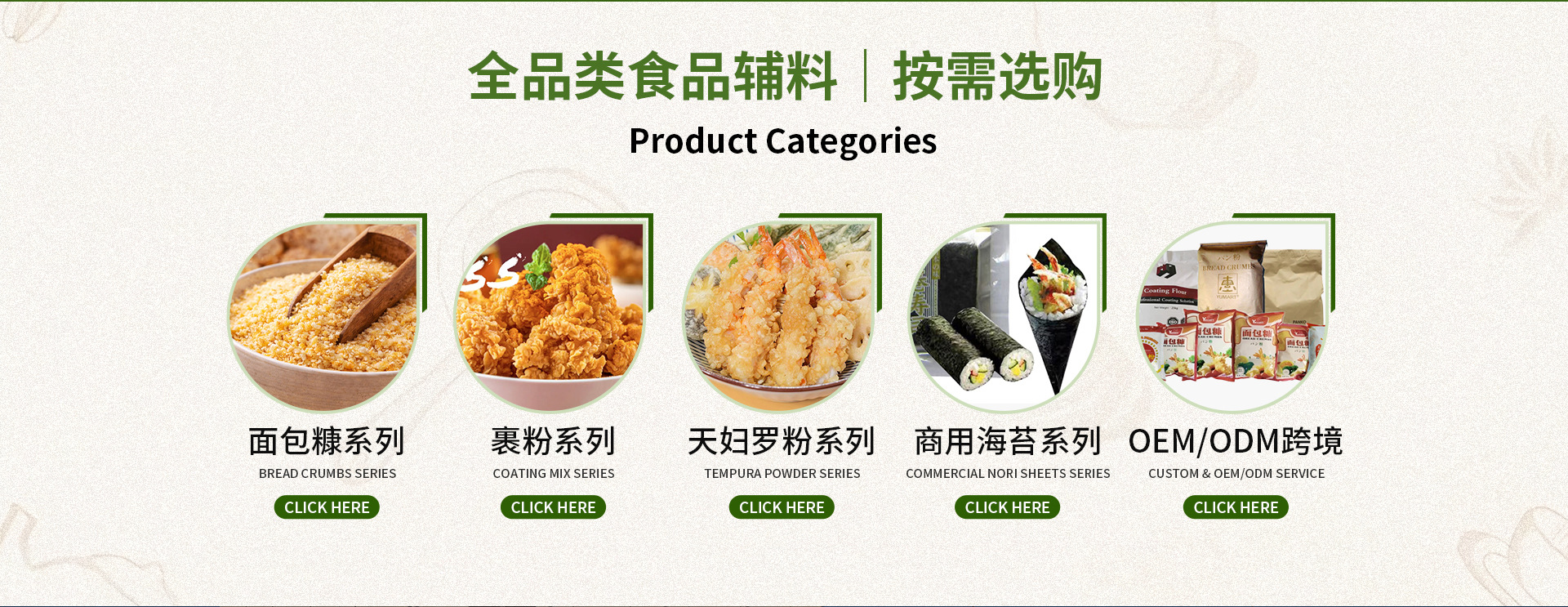
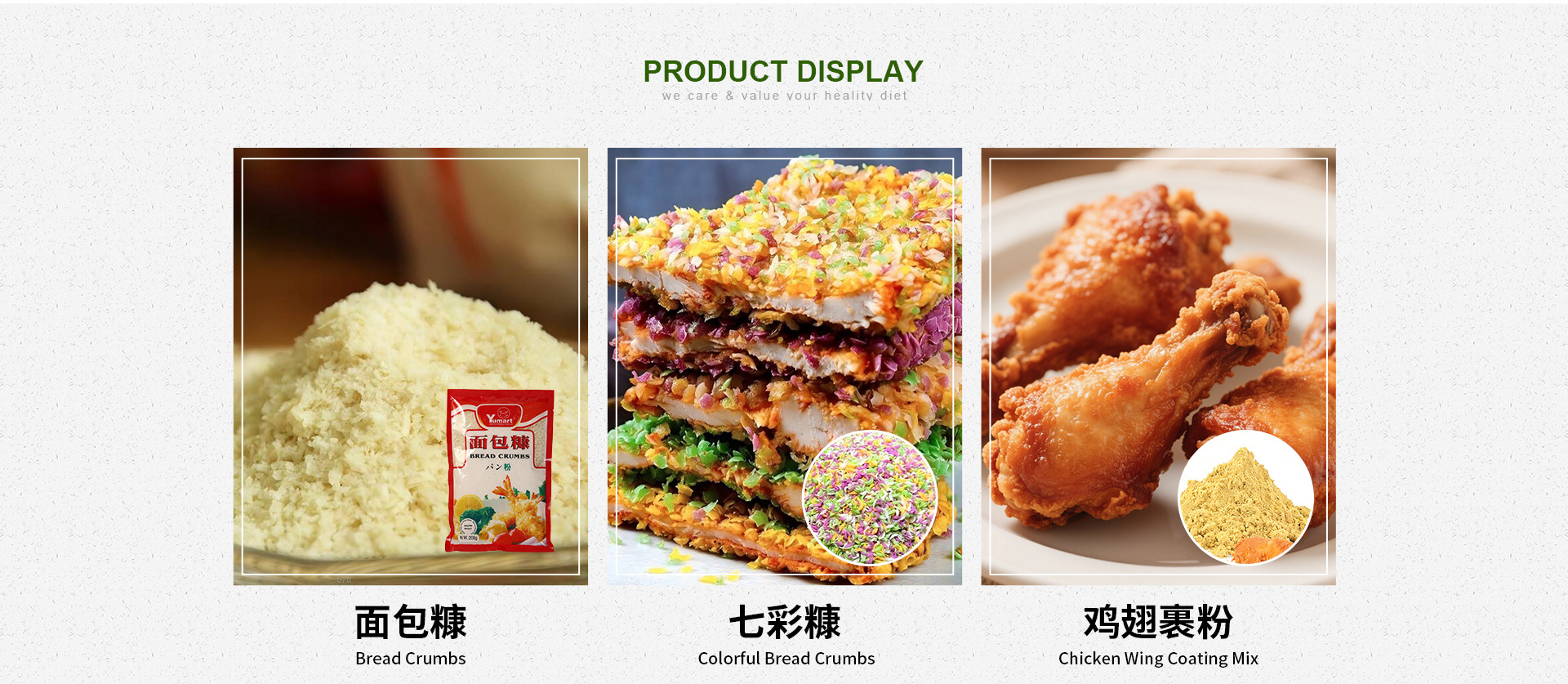
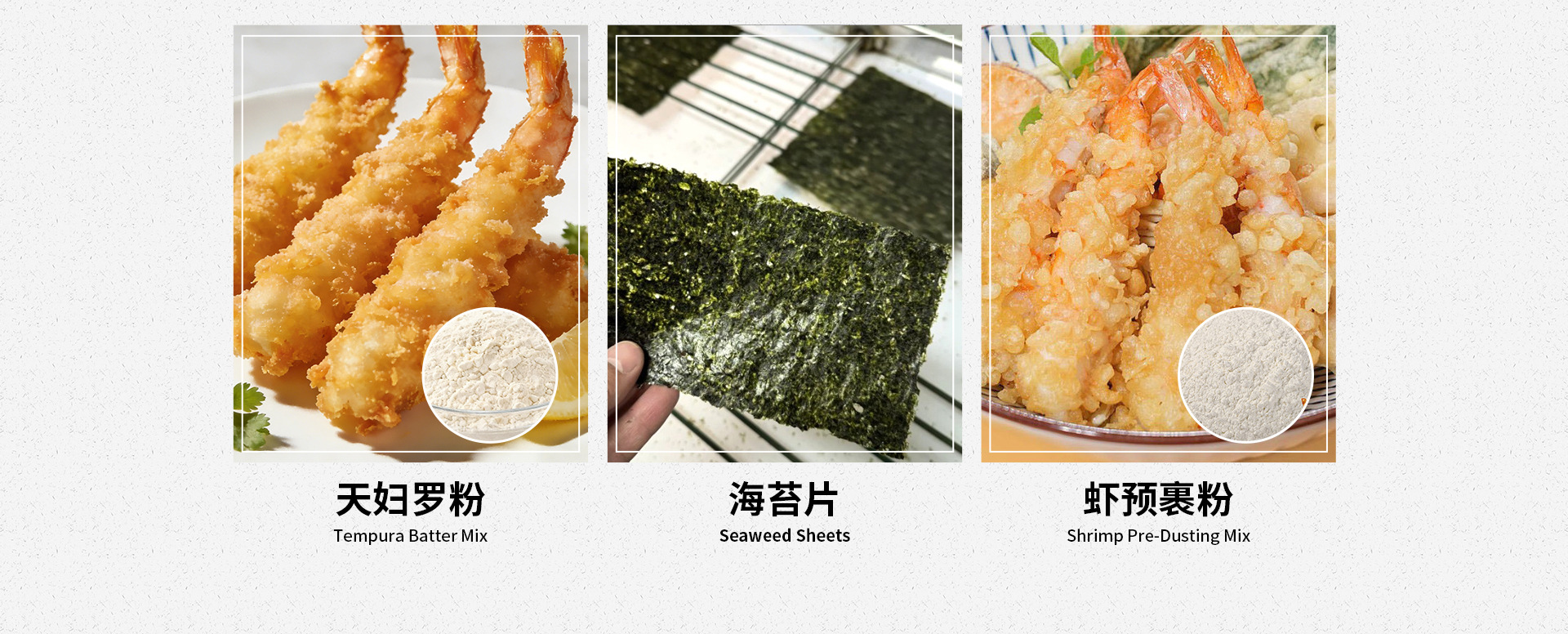
A comprehensive inventory of B2B coatings, batter mixes, and culinary seaweed sheets available for private-label customization and volume container shipping.
Essential guidance for quality control managers and supply chain directors ordering commercial ingredients for Mid-Atlantic processing facilities.
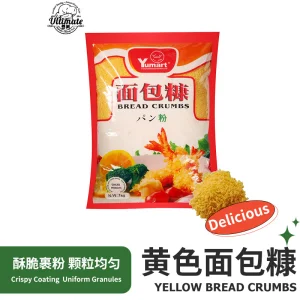
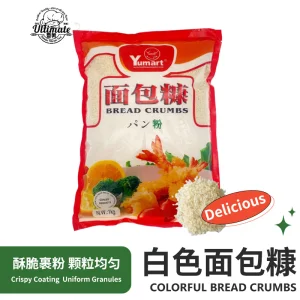
Our 10kg and 25kg bulk bags of white and yellow Panko breadcrumbs have a shelf life of 12 months when stored in clean, cool, and dry conditions. The moisture content is kept below 12% during packaging to prevent mold development, which is critical for long-distance ocean shipping to Philadelphia.
We use natural plant-based pigments derived from dehydrated pumpkin, spinach, red beet, and purple sweet potato. These pigments are blended directly into the dough before the baking process, ensuring the color is locked into the crumb's matrix and does not bleed out during the frying cycle.
Most bulk shipments are dispatched via ocean freight in 20ft or 40ft containers directly to the Port of Philadelphia (PhilaPort). For clients requiring shorter lead times, we can arrange overland rail transport from other major West Coast ports or handle expedited air transport for specialized machinery and urgent ingredient orders.
Yes. We can customize the viscosity, hydration rate, and binding properties of our tempura and pre-dust powders to match the requirements of specific industrial battering machines. This ensures a consistent, uniform coating and prevents clogging in automated production systems.
All our manufacturing facilities are fully FDA-registered and maintain active HACCP and ISO 22000 food safety certifications. We provide comprehensive documentation for US customs clearance, including Certificates of Analysis (COA), allergen statements, and phytosanitary certificates.
Optimize your ingredient supply chain and mechanical operations with customized formulations, volume pricing, and reliable delivery to the Philadelphia market. Contact our engineering and export team today.
Send Inquiry Now Baking Supplies